A Dinosaur Park Exhibit Is a Mix of Animatronics, Lanterns, and Landscaping — Not a Catalogue Order
A dinosaur park is a multi-year, all-weather, family-audience attraction that needs to draw repeat visits and survive a full operating season. The brief is not "buy a dinosaur" — it is "design a prehistoric experience that the operator can run profitably for years." Here is how to plan one, and what to brief us on before signing.
What Park Operators Get From Our Workshop
Dinosaur park exhibits are the most operationally complex category we build. The buyers who get the best result brief us clearly on the audience, the site, and the operating model. Here is what we bring to that brief.
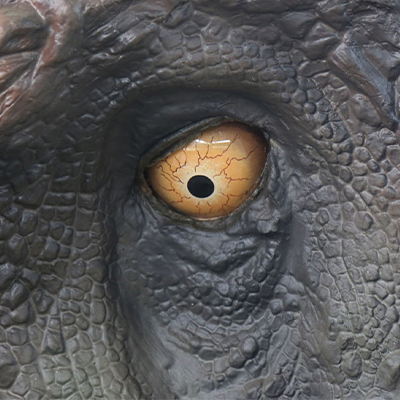
Patented Surface Finish Animatronics
Our surface finish process is patented (ZL 2022 1 0224489.5). The skin is hand-painted, soft to the touch, and visually indistinguishable from real reptilian skin at visitor distance. It is what separates a serious park exhibit from a hard-shell prop.
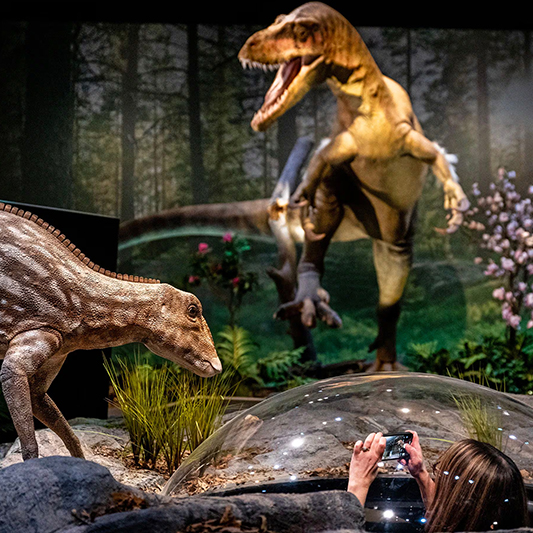
Scientifically Accurate Models
Our dinosaur designs are based on current paleontological reference: posture, scale pattern, dentition, claw shape. We work with museum advisors and scientific illustrators on accuracy. The result is a creature that a school group can learn from, not a Hollywood monster.
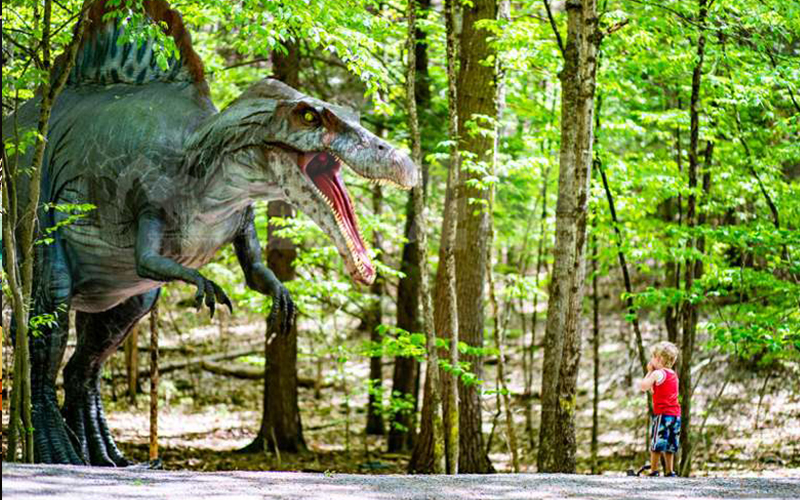
Programmed Motion, Not Random Movement
Our animatronics move to species-typical behaviour: a T-Rex stalks and roars, a triceratops browses, a velociraptor stalks in coordinated pack behaviour. Motion programmes are scripted, not random. Visitors see the same behaviour on every visit, which builds the brand.
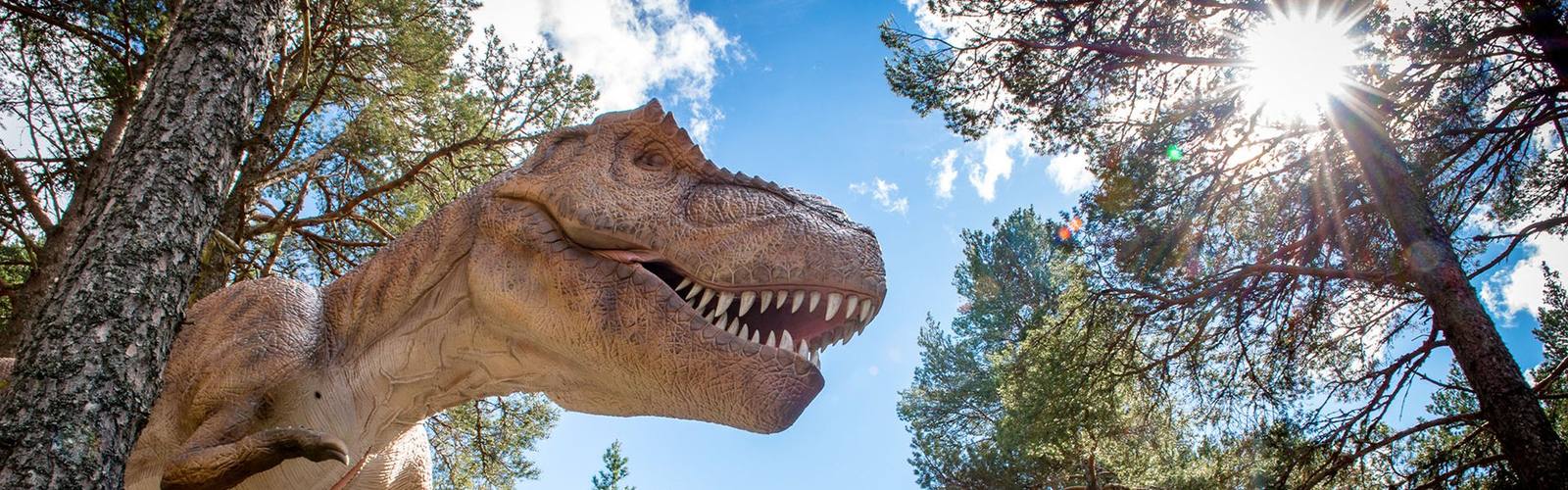
All-Weather Outdoor Durability
Park exhibits operate in rain, snow, heat, and UV. Our outdoor spec is marine-grade finish, sealed electrical systems, IP-rated motion components, and a maintenance schedule that keeps the creatures running for years. We supply the maintenance manual and the spares package.
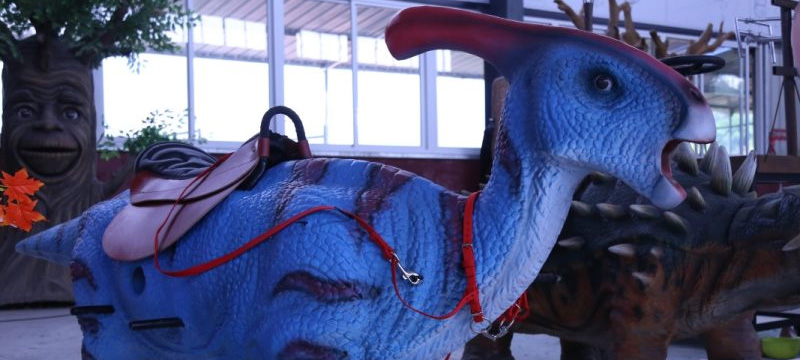
Animatronics + Skeletons + Lanterns + Landscaping
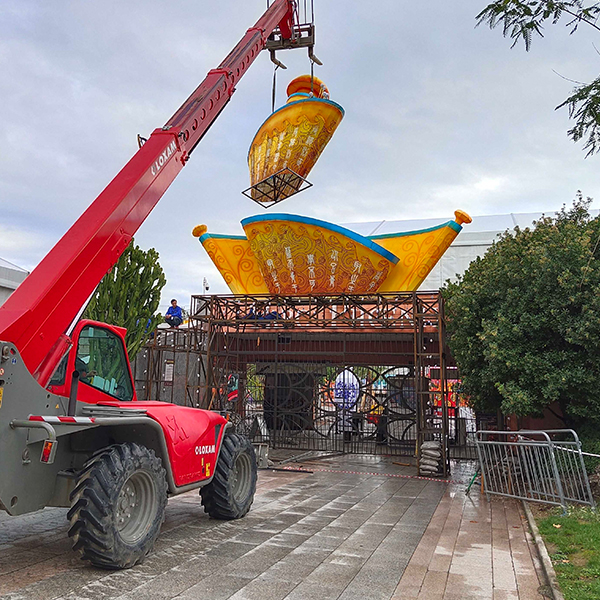
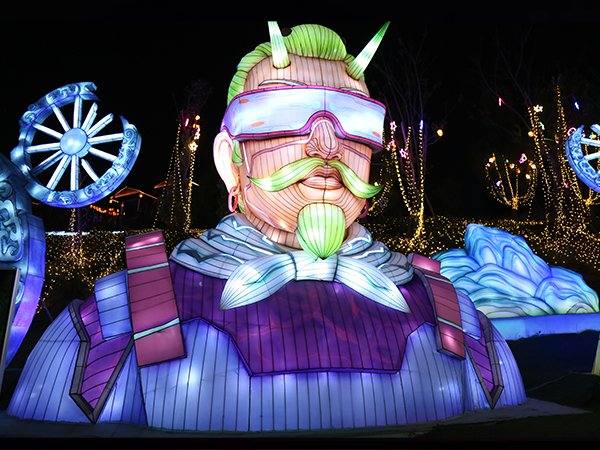
The best dinosaur parks mix animatronic focal points with skeleton displays, illuminated lanterns, and themed landscaping. We can build and integrate all four under one contract, with one install team, on one milestone schedule. The result is a coherent visitor experience.
Staff Training and Operator Handover
Before opening day, we train your operations team on daily start-up, motion programming, troubleshooting, and routine maintenance. Your team runs the park — we are on call for the duration. Most operators find the handover takes 3-5 days and the team is self-sufficient by opening.
Plan a Dinosaur Park Around the Operator's Reality
A dinosaur park has to land in a site the operator runs every day, in all weather, for years. The buyers who get the best result work through four practical questions before signing. Skipping any of them is how exhibits go wrong.
1. Define the audience: family, school, theme park
Who is the visitor? A family audience wants approachable, photogenic creatures with strong brand identity. A school-group audience wants taxonomic accuracy, labelled species, and educational panels. A theme-park audience wants dramatic, immersive, high-thrill moments. The audience defines the species mix, the motion intensity, and the educational layer.
2. Map the site: indoor, outdoor, climate
What is the site? An outdoor theme park needs all-weather marine-grade spec. An indoor science centre needs lower-spec weather protection but higher safety. A travelling exhibition needs containerised modular design. We will not propose the same spec for two different sites.
3. Choose species mix and animatronic vs lantern ratio
What species anchor the experience? T-Rex, triceratops, brachiosaurus, velociraptor, pteranodon — the classic mix? Or a regional focus? How many animatronics vs how many static skeleton displays vs how many illuminated lantern pieces? The mix drives the cost, the operating model, and the visitor experience.
4. Decide maintenance, training, and renewal
Year one is the install. Year two is the maintenance and refresh. Year five may need skin replacement or motion-system overhaul. The contract should specify what gets maintained annually, what the operator's team handles, what we handle, and what the renewal cycle looks like. The clearer this is on day one, the lower the lifetime cost.
Six Components of a Dinosaur Park Exhibit
A dinosaur park is six distinct components, each scoped separately. The operator who understands all six before signing gets a better experience for the budget. Here are the six.
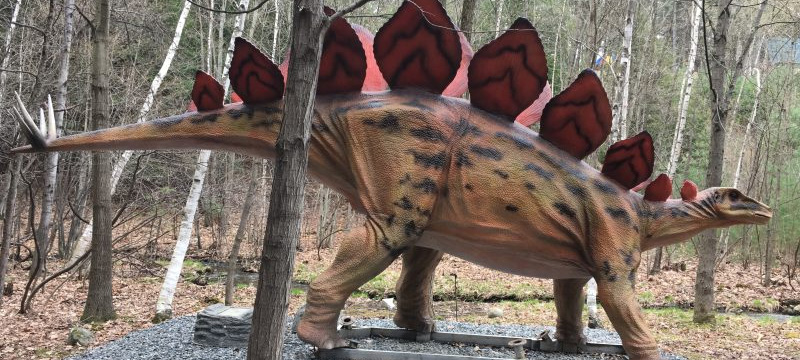
Flagship Animatronics
2-6 hero animatronics: T-Rex, brachiosaurus, triceratops, allosaurus, pteranodon. Patented hand-finished surface, programmed motion, audio cues. These are the photographic anchors and the most expensive pieces in the park.
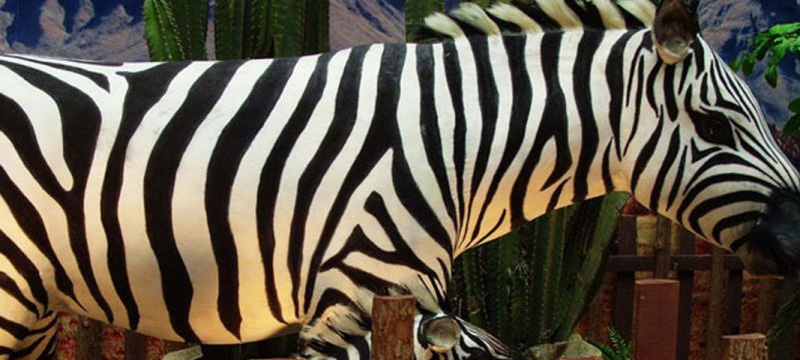
Secondary Animatronics
5-15 supporting animatronics: smaller species, juvenile creatures, prey animals. Lower motion complexity, more numerous, fill the trail between the flagship pieces.
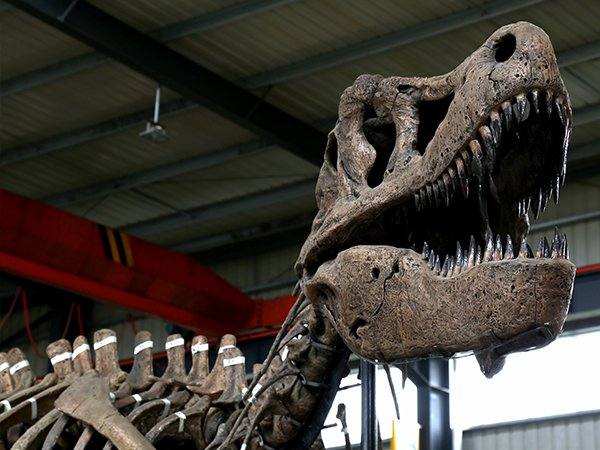
Skeleton & Fossil Displays
Museum-grade skeleton replicas: T-Rex skeleton, triceratops skull, velociraptor claw. Educational, low-maintenance, durable. Mix with animatronics to add scientific depth.
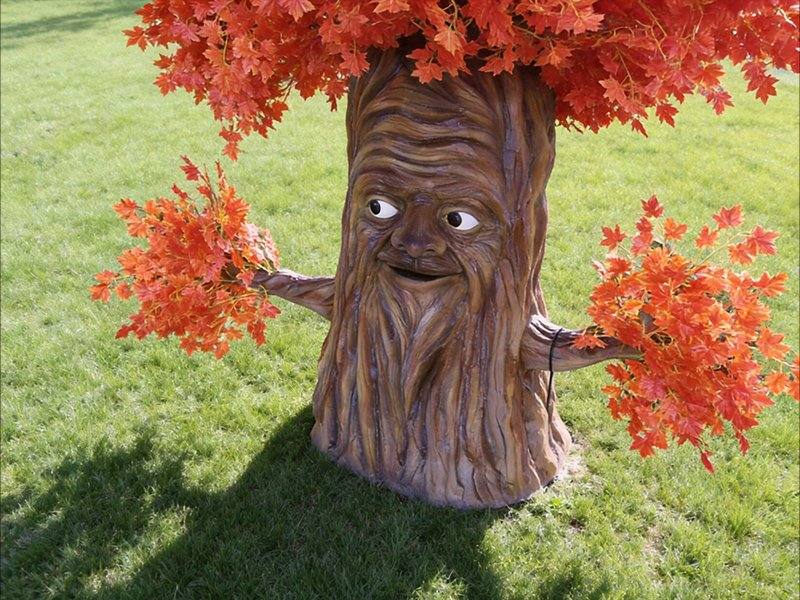
Egg Nests & Baby Dinosaurs
Dinosaur egg nest replicas, hatching scenes, baby dinosaurs. Particularly effective for family audiences. Lower cost, high photo-stop value. Often sponsorable as brand integrations.
Themed Landscaping & Environment
Vegetation, rocks, water features, pathways. The landscaping integrates the creatures into a believable prehistoric world. Often co-designed with a local landscape architect or the operator's existing team.
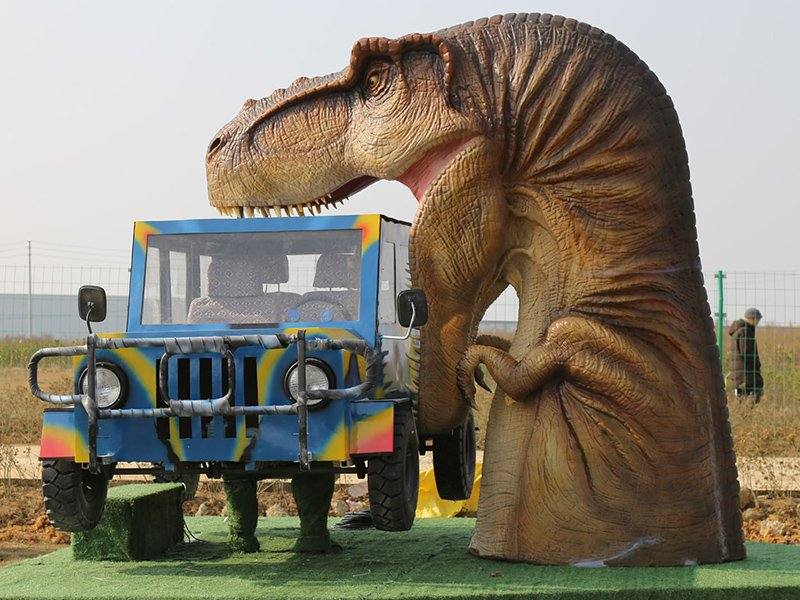
Interactive Technology Stations
Dig pits, fossil-rubbing stations, AR experiences, sound booths. Adds dwell time to the visitor experience, particularly for school groups. Often the highest-margin per-visitor component.
From Species List to Opening Day — the Working Sequence
A dinosaur park exhibit follows a clear sequence. We commit to each stage in writing, and you see evidence at every milestone.
1. Species list freeze and 3D render
You share the species list, the site plans, the audience profile, and the operating window. We produce pose studies, 3D renders of the flagship pieces in the actual site, and the species-to-position layout. You sign off before fabrication.
2. Mechanical engineering and motion design
Each animatronic is engineered with the motion programme, the actuation layout, the sound cues, and the skin tension. We supply the engineering package and a motion preview video before fabrication.
3. Build, sculpt, and skin
The workshop fabricates the internal skeleton, sculpts the form, and applies the surface finish. We send weekly progress photos and a video walkthrough at frame-complete milestone.
4. Paint, finish, and detail
Hand-painted species-accurate colour, scale texture, claw detail, eye finish. We send finish samples and a paint-complete photo set for your sign-off before motion install.
5. Motion programme, sound, and site test
Motion programmes installed, sound cues loaded, site test under operating conditions. Your team is on-site for the test. We commission the system together.
6. Crating, shipping, install, and staff training
Modular sections are custom-crated. We ship to your nearest port. Our install team is on-site for the build, the motion commissioning, and the staff training. Your team is running the exhibit by opening day.
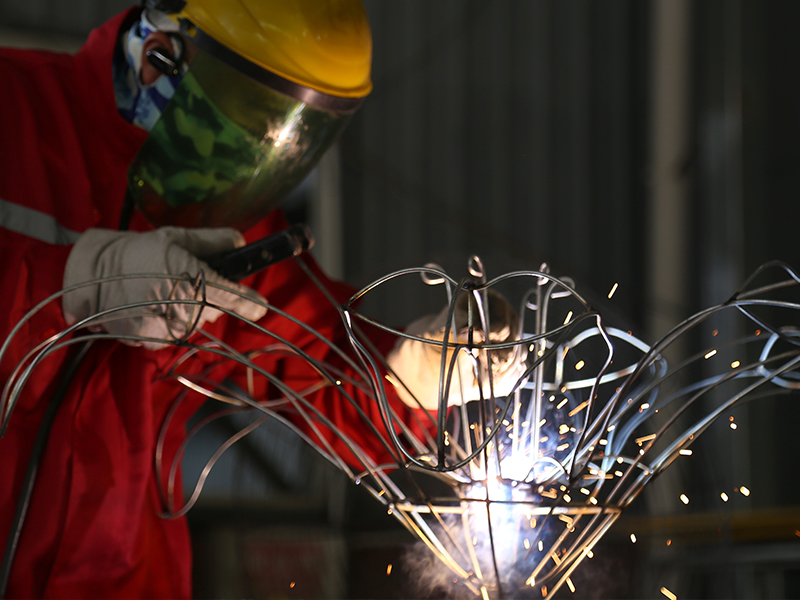
Dinosaur Park Projects Delivered
A small selection of dinosaur park projects shipped from our workshop. The full portfolio is in our gallery page.
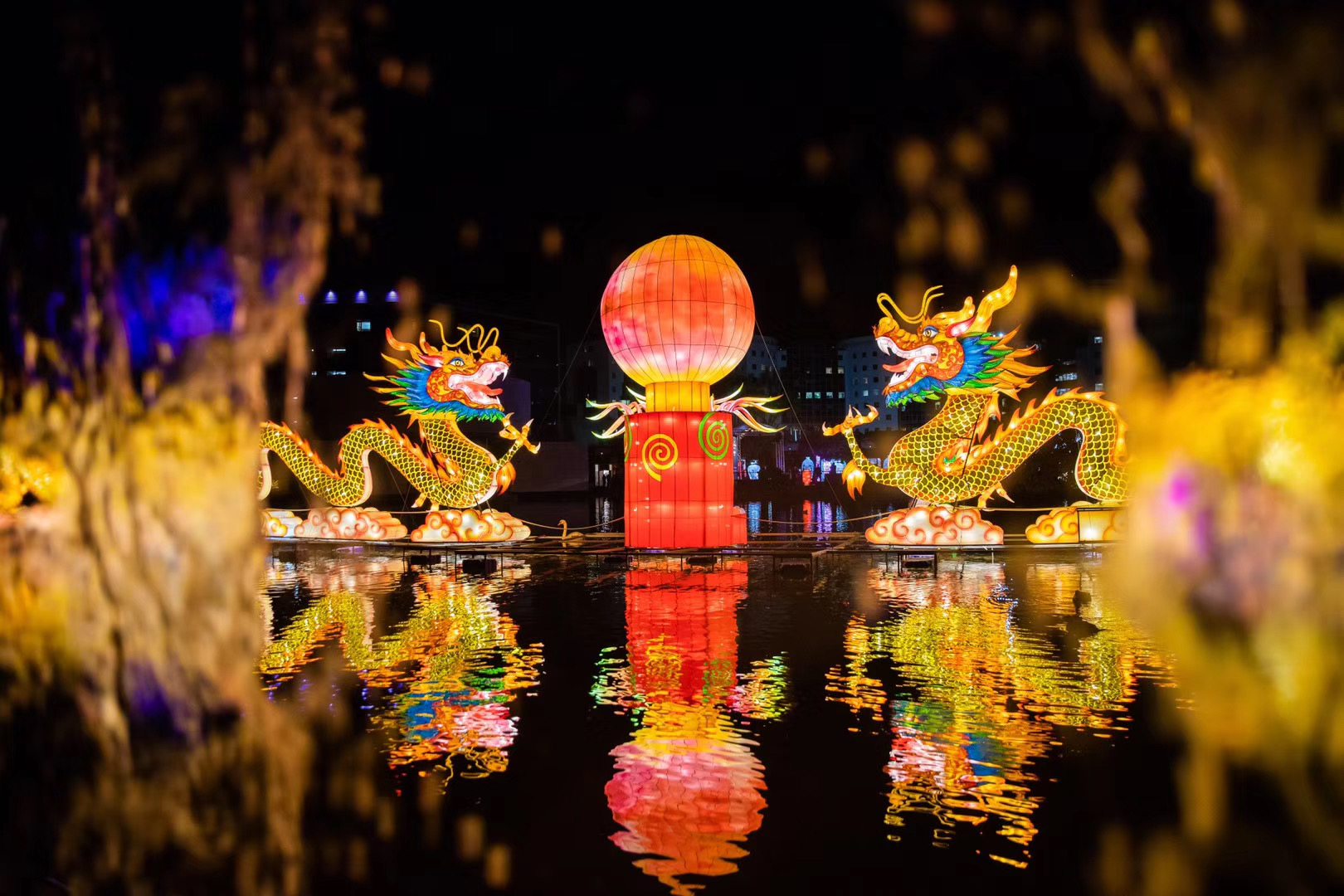
European Adventure Park
Multi-year dinosaur exhibit with 12 animatronics, 8 skeleton displays, and themed landscaping. Cold-wet European climate. Multi-year operating contract with annual maintenance.
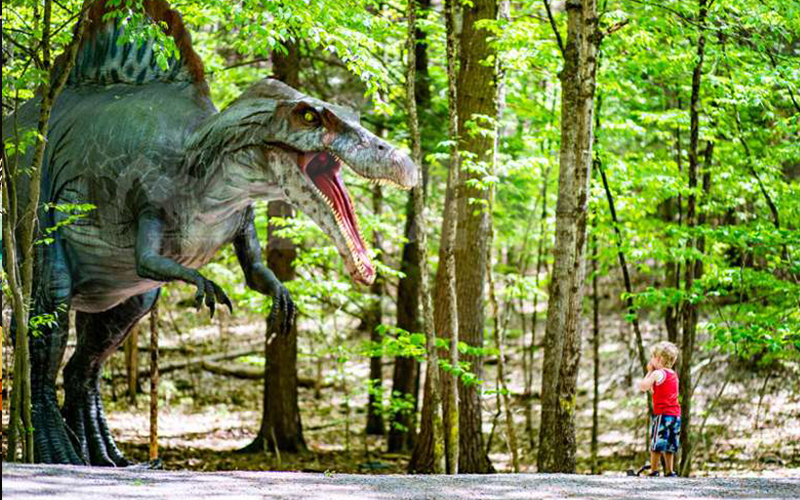
Middle East Indoor Theme Park
Indoor dinosaur exhibit, 8 flagship animatronics, immersive walk-through experience. Climate-controlled environment, Arabic and English bilingual signage.
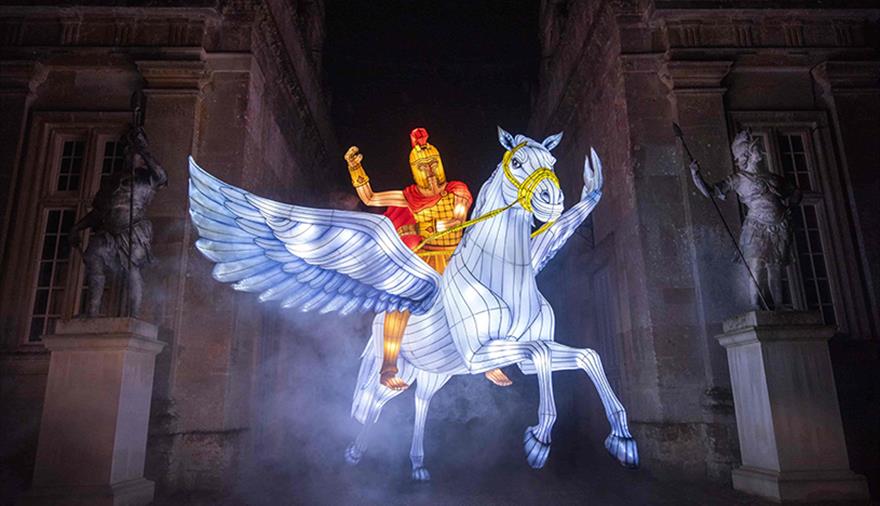
North American Science Center
Educational dinosaur exhibit, scientifically accurate species, labelled panels, dig-pit interactive. School-group programming aligned with curriculum standards.
Dinosaur Park Exhibits — Questions Operators Ask First
What is the difference between a hand-finished animatronic and a hard-shell prop?
A hand-finished animatronic has a soft, hand-painted skin over a mechanical skeleton. The skin is soft to the touch, visually accurate at visitor distance, and articulates with the underlying motion. A hard-shell prop is a fibreglass or plastic shell over the same mechanical skeleton. The hand-finished surface version looks alive; the hard-shell version looks like a sculpture. The cost difference is significant, and so is the visitor reaction.
Which dinosaur species can you manufacture?
Any species with sufficient paleontological reference. The most-requested species are T-Rex, triceratops, brachiosaurus, velociraptor, stegosaurus, allosaurus, pteranodon, ankylosaurus, parasaurolophus, dilophosaurus, spinosaurus, and iguanodon. We have manufactured all of these. Custom species (regional dinosaurs, recently discovered species) are possible with additional reference work.
How big can a dinosaur animatronic be?
From 1m juvenile pieces to 25m brachiosaurus installations. The size is a function of the site, the transport constraints, and the budget. Most flagship pieces are 4-8m at the head. Above 10m, the piece is built in modular sections for transport and install. The largest animatronic we have built is 22m, for a Chinese theme park.
Are the animatronics suitable for year-round outdoor display?
Yes, with the right engineering. Outdoor animatronics are built to marine-grade finish with sealed motion components, weather-rated electrical systems, and UV-stable skin. We supply a maintenance schedule and a spares package for multi-year outdoor operation. Indoor animatronics have a different spec (lower weather protection, higher finish detail) and a different price.
Can you design a complete dinosaur park layout?
Yes. We can do the full park layout: species placement, trail design, anchor positions, photo-stop locations, and visitor flow. We work with your landscape architect or with our in-house design team. The full layout includes 3D renders of the climactic moments and a master plan for phasing.
How are large animatronics shipped and installed overseas?
Modular body sections, each custom-crated, packed into 20-foot or 40-foot containers. The largest section is sized to fit a standard container. Our install team is on-site for the build and motion commissioning, or we supervise your local crew remotely by video. Full install documentation in English.
What about ongoing maintenance and spare parts?
Every dinosaur park contract includes a maintenance schedule and a spares package: replacement skin panels, motion actuators, LED modules, sound boards. We supply the maintenance manual and the routine schedule. Most operators find the routine maintenance is straightforward and our team is on call for non-routine issues.
Start Planning Your Dinosaur Park Exhibit
Send us your site, your audience, and your operating model. We will come back with a species mix, a 3D render, and a programme quote.
Request a Dinosaur Park Programme Quote