Chinese Lantern Festival
A Chinese Lantern Festival Is a Programme of Moments — Not a Catalogue of Lanterns
A Chinese lantern festival is a multi-week running event: an opening ceremony that has to land, a trail that has to hold attention, and a closing night that has to send visitors home talking. The brief is not "buy lanterns" — it is "plan a festival that fills your venue for six to ten weeks." Here is how to plan one, and what to brief us on before signing.
What Festival Organisers Get From Our Workshop
The organisers who get the best result brief us clearly on the programme, the venue, and the calendar. Here is what we bring to that brief.

An Anchor Installation That Defines the Festival
Every festival has one anchor piece — the one visitors photograph, the one the press covers, the one the campaign opens with. We design that piece to fit your venue, your audience, and your theme. It is the most important piece in the project.
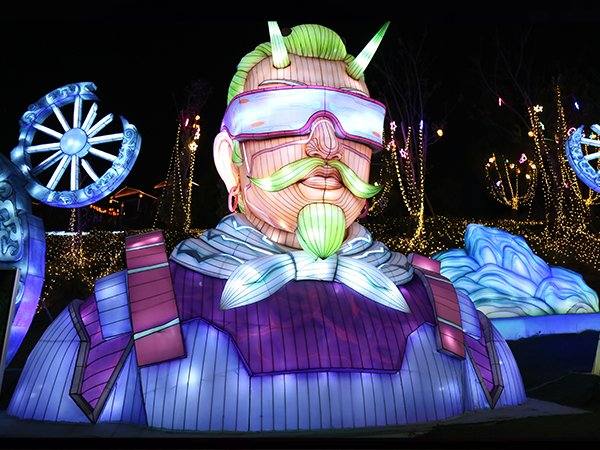
An Arrival Sequence That Starts the Visit
Festivals are not just the centrepiece. They are the walk from the gate to the first scene, the corridor that frames the entrance, the first photo of the evening. We design the arrival as a sequence, with pieces that build anticipation toward the anchor.
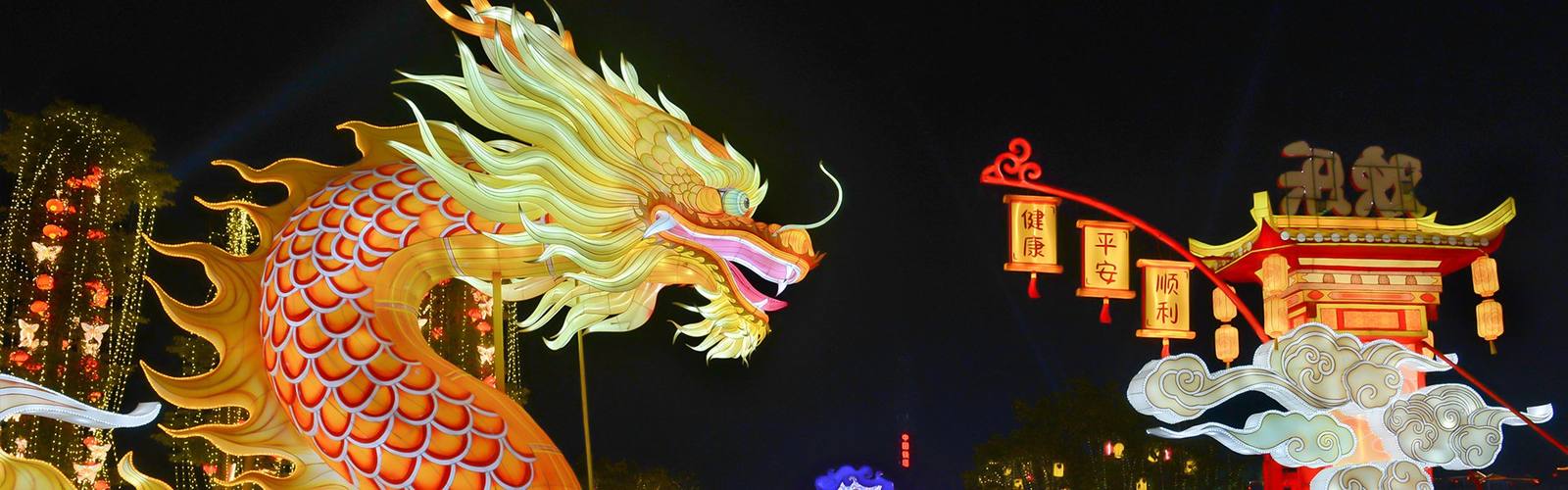
A Themed Trail That Tells a Story
The most memorable festivals have a cultural thread running through them: prosperity, longevity, reunion, blessing — or your own story. We work with you to identify the theme and design the zones around it. The theme is what visitors remember and come back for.

Fully Custom or Cultural Reference
Some festivals need a fully custom design — your brand, your characters, your city's story. Others work with a cultural reference — a traditional dragon, a phoenix-and-peony motif, a regional legend. We will recommend the approach that fits your audience.
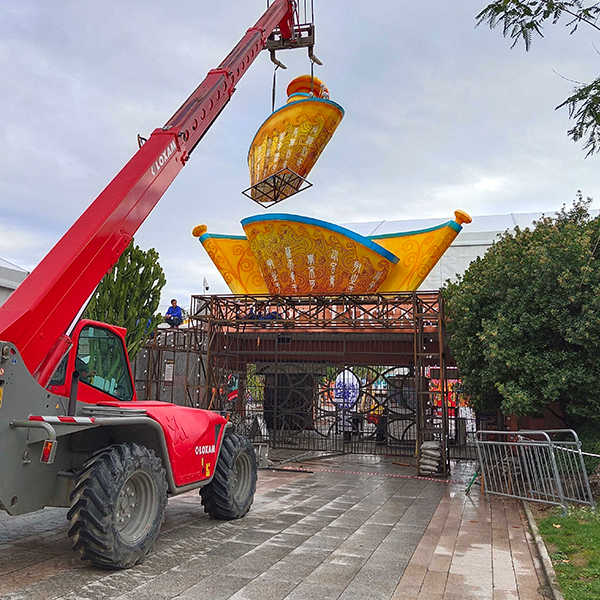
A Fixed Opening Date, Met in Writing
A festival has a fixed opening night. Tickets go on sale, press is booked, marketing is printed. We commit to the install window in writing, with on-site supervision to handle the inevitable surprises. If something needs to change in the 48 hours before opening, we are on-site to make it happen.

Press-Ready and Photo-Composition
Festivals live on photography. We design pieces with the camera in mind: lighting that reads on video, composition that frames the press shot, and surfaces that hold up under broadcast lighting. The pieces look spectacular live and on screen.
Plan Your Festival Around the Moments That Must Land
A festival runs for weeks, but it is made of moments — the opening ceremony, the first walk-through, the closing night. The organisers who get the best result work through four practical questions before signing. Skipping any of them is how festivals go wrong.
1. Define the festival programme: theme, seasonal slot, opening ceremony
What is the festival? A cultural Chinese lantern festival, a winter light trail, a city celebration, a brand activation? The programme defines the tone, the cultural register, and the audience. A cultural festival is tradition-driven and family-facing. A winter light trail is attendance-driven and repeat-visit-facing. Tell us which.
2. Confirm venue, footprint, and expected attendance
Where is it? A park, a garden, a zoo, a waterfront, a city centre? What is the walking route, and how many visitors per evening? The venue and attendance define the scale, the number of zones, and the safety requirements. A 2-hectare garden trail is a different project from a 20-hectare park festival.
3. Choose the anchor installation + supporting zones
What is the anchor? A dragon gateway, a 15-metre centrepiece, a walk-through installation, a water feature? What supports it? The themed zones, the interactive moments, the photo-stops, the vendor areas. The anchor carries the campaign. The supporting zones carry the rest of the season.
4. Lock the calendar: build, shipping, install, opening
When does install start? When is the dress rehearsal and press night? What is the contingency for a piece damaged in transit, a power failure, a weather event? Festivals do not have a "next weekend" — the opening date is printed on every ticket. The contract should specify the install window, the rehearsal time, and the contingency plan before signing.
Six Festival Building Blocks
A Chinese lantern festival is six distinct building blocks. The organiser who understands all six before signing gets a season that runs. Here are the six.
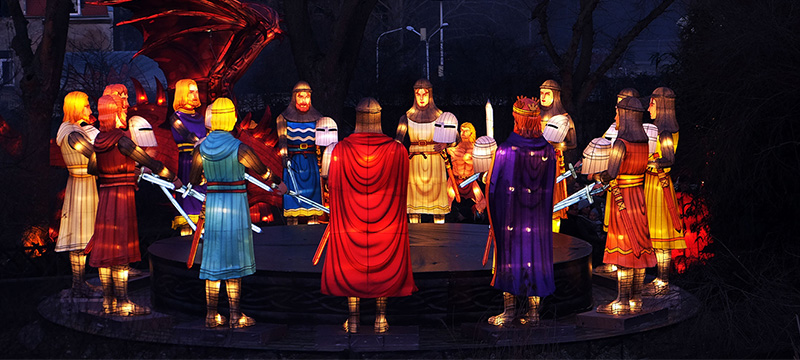
The Grand Centrepiece
The one piece visitors photograph. 3-15m, hand-painted, lit to the moment. Often a dragon, phoenix, or your own motif. Built to the venue, designed to the camera. This is the piece that defines the festival.
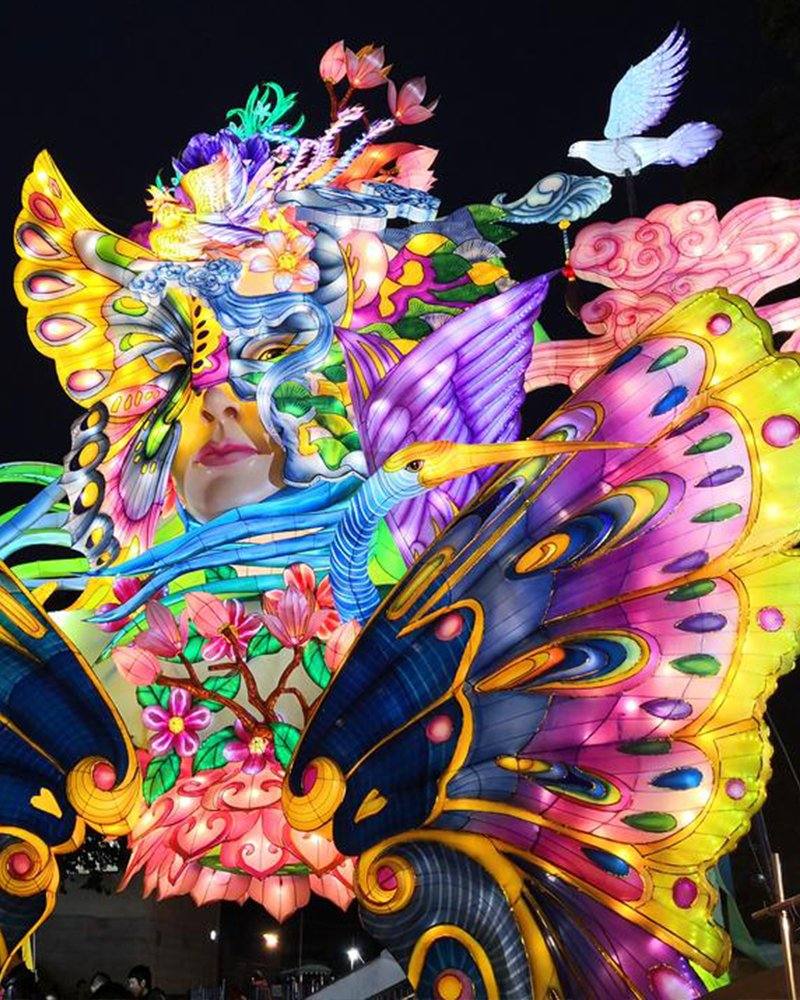
The Arrival Corridor
The walk from the gate to the first scene. Walk-through archways, smaller lantern pieces, and themed accents. Sets the cultural register, builds anticipation, gives visitors a moment to photograph before the centrepiece.
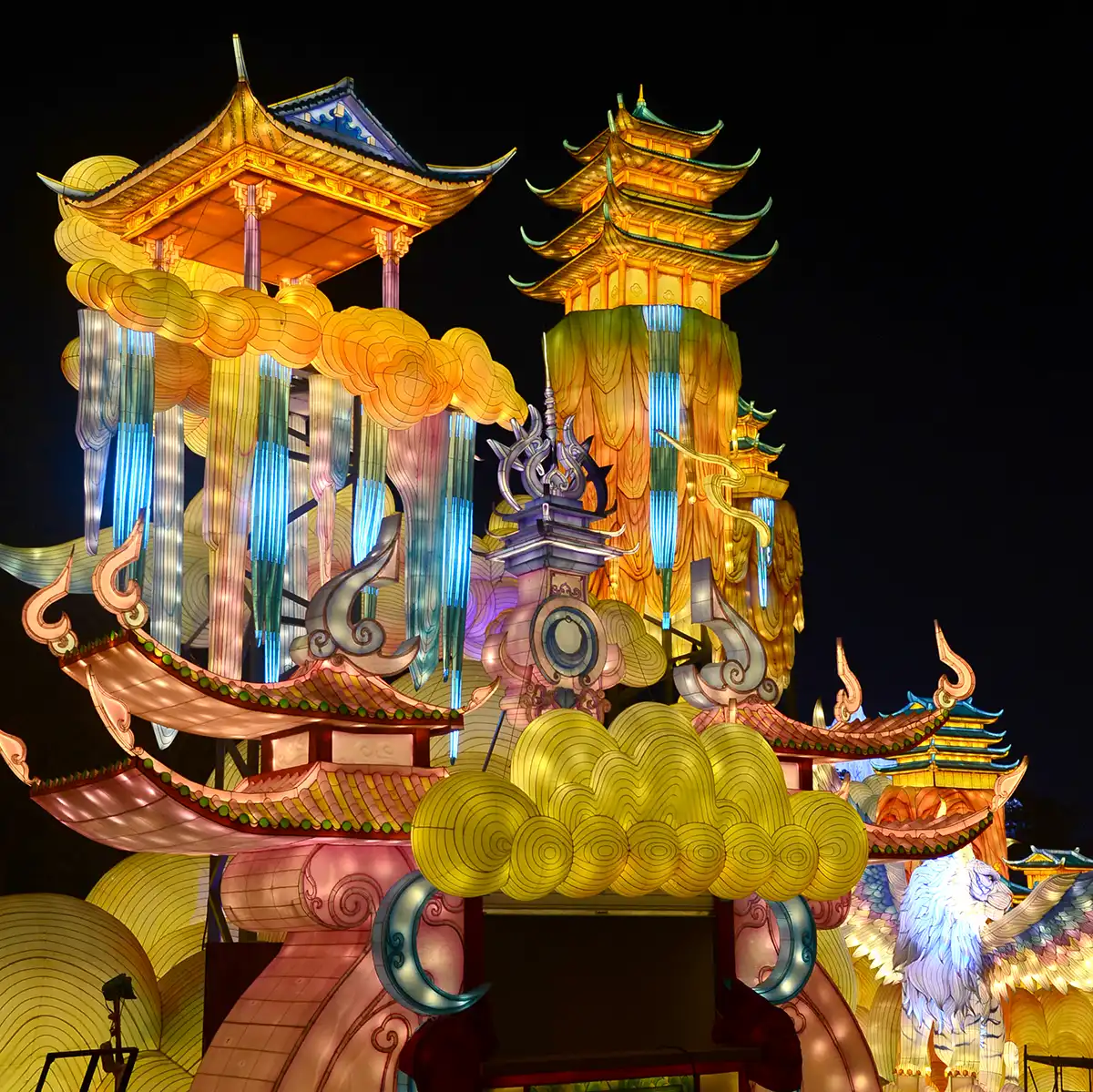
The Themed Trail
The route that connects the entrance to the anchor and back. Cultural zones along the route that tell the story of the festival. Often where the programming happens — dance, music, calligraphy, craft demonstrations.

The Interactive Moment
A piece visitors touch, write on, or participate with. Wishing lanterns, blessing ribbons, a calligraphy wall, a light-up response installation. The piece that becomes the memory visitors take with them — and the reason they bring friends back.
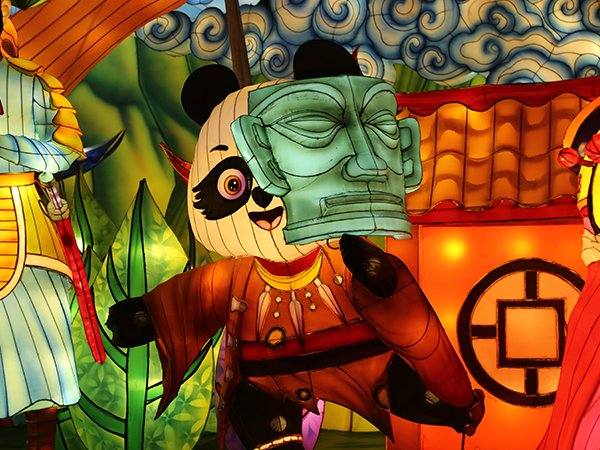
The Hospitality Zones
Smaller illuminated pieces for the vendor and seating areas — food street archways, table centrepieces for the tea house, lantern clusters over the market stalls. These are the zones where visitors linger, spend, and stay longer.
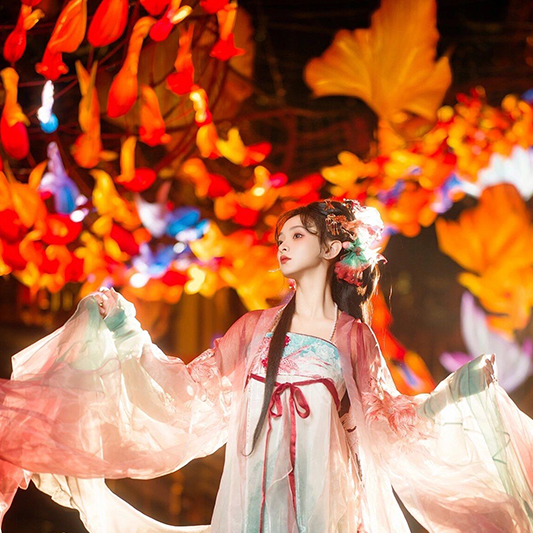
The Photo-Stop
A piece designed for the press shot and the visitor selfie. Composition, lighting, and back-of-house cleared for cameras. Often branded with the festival name, the date, and the host's mark. The image that runs in the press release and the social feed.
Chinese Lantern Festivals Delivered
A small selection of festivals that shipped from our Zigong workshop. The full portfolio is in our gallery page.
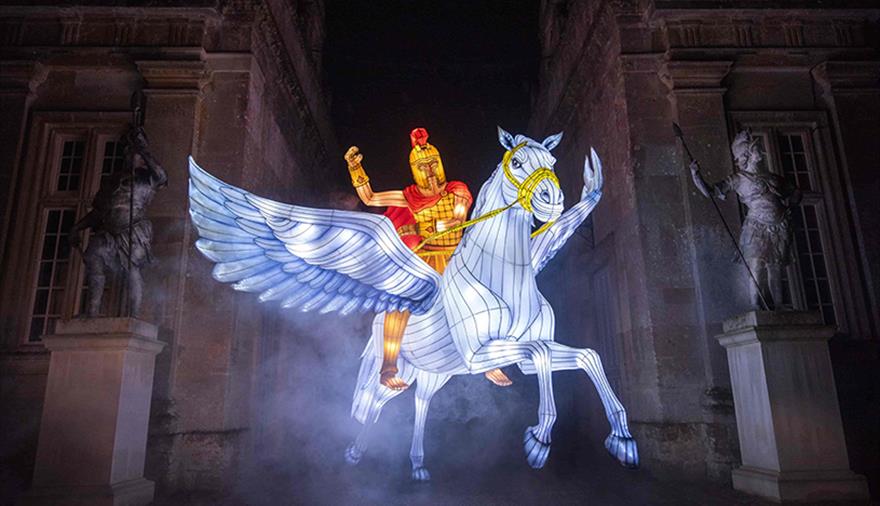
Lightopia Festival, Manchester UK
Multi-zone lantern festival, three-year operating history. Bilingual EN/FR panel copy, on-site install supervision, remote on-call support through the season.
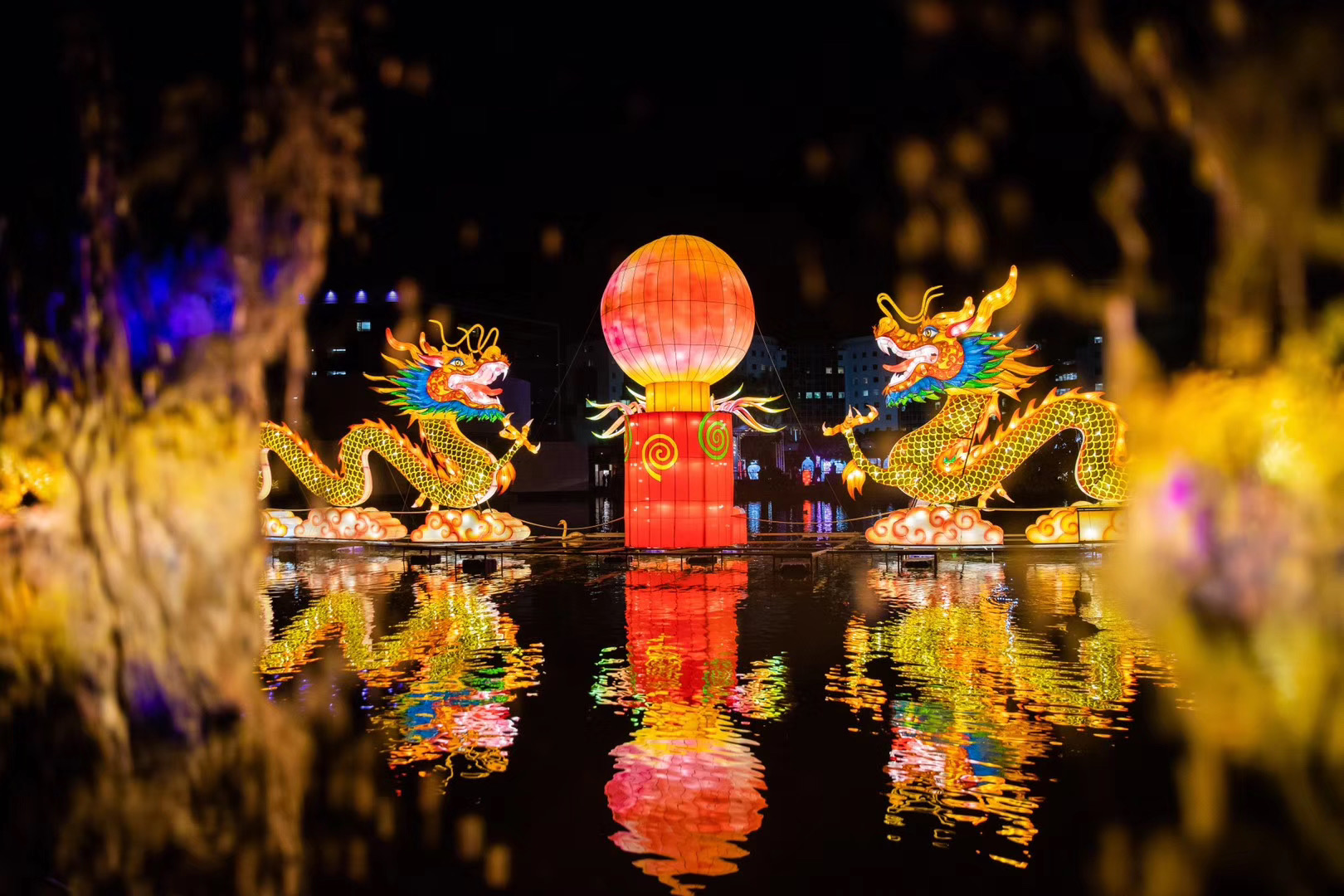
Festival de Lanternes, Nice France
Heritage-cultural festival, French-language client, EU compliance documentation. Cultural theme: Imperial Garden. 40+ lanterns across 2 hectares.
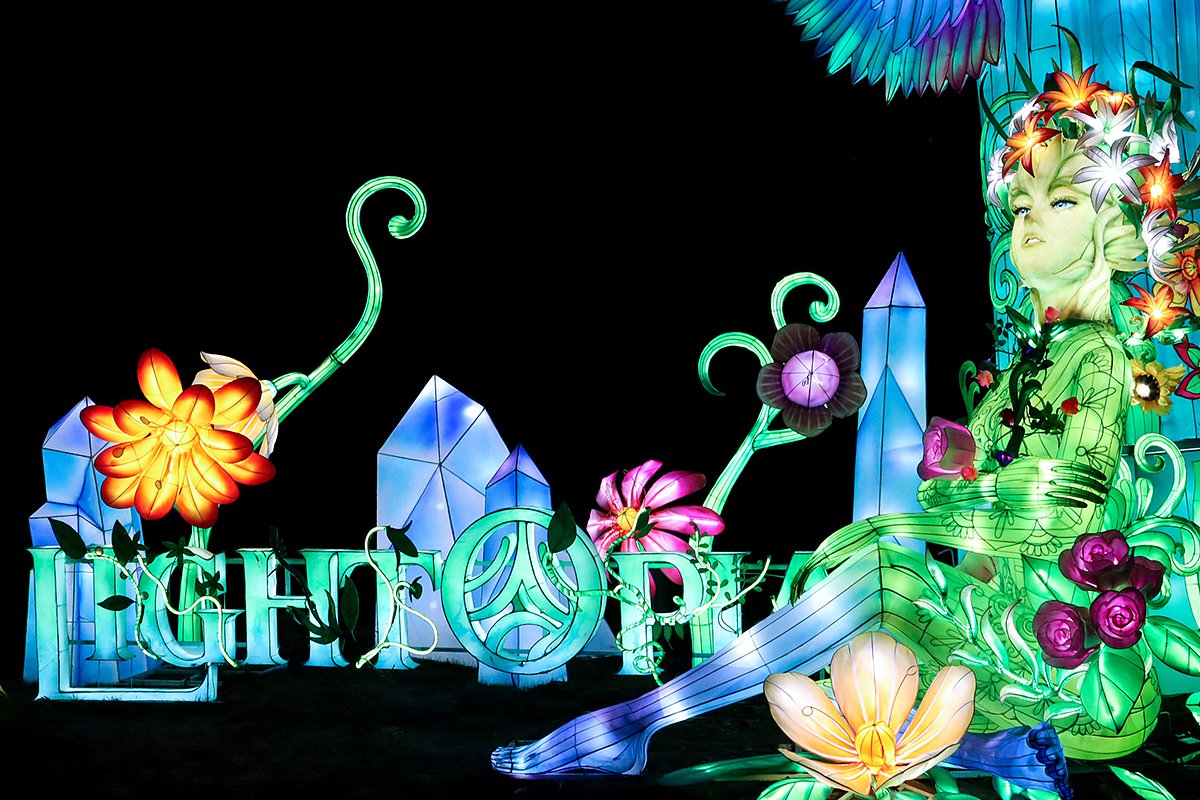
Gardens of Light, Montreal
Botanical garden lantern festival, bilingual EN/FR, Canadian winter climate. Cultural theme: Silk Road. Four-year operating history.
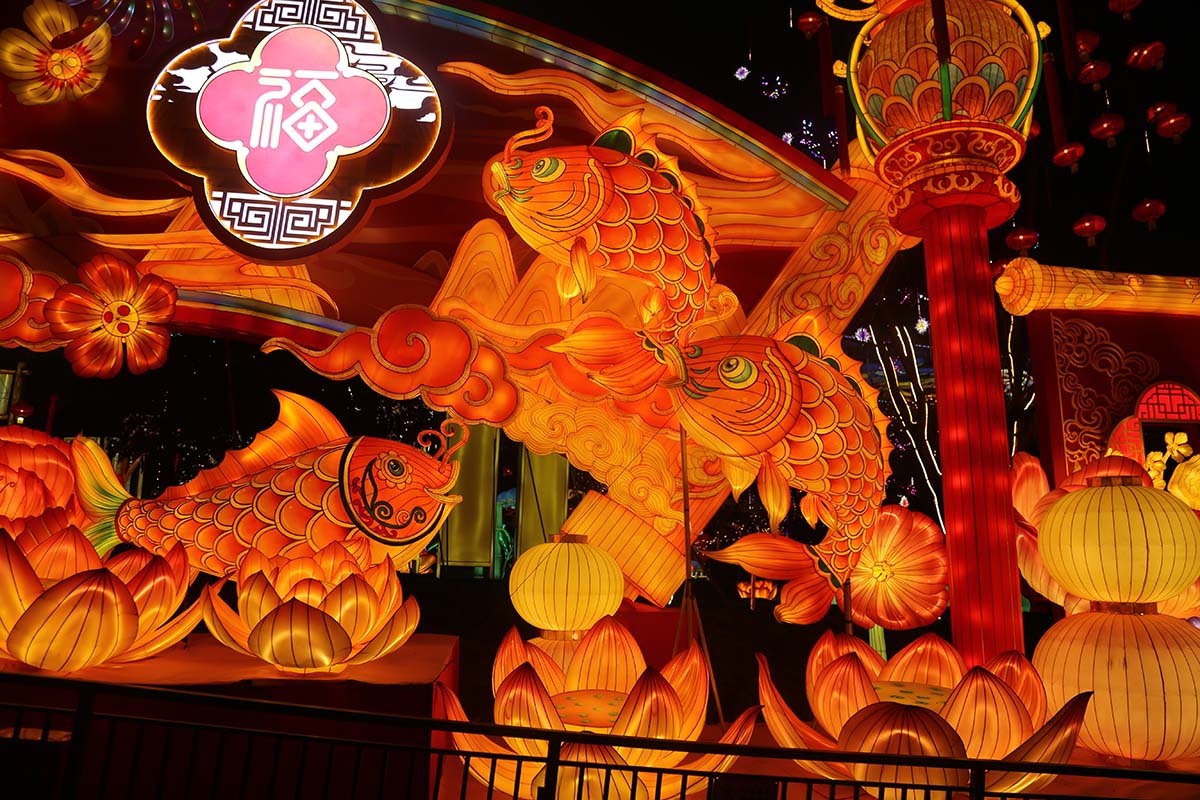
Lantern Pieces We Ship From Our Workshop
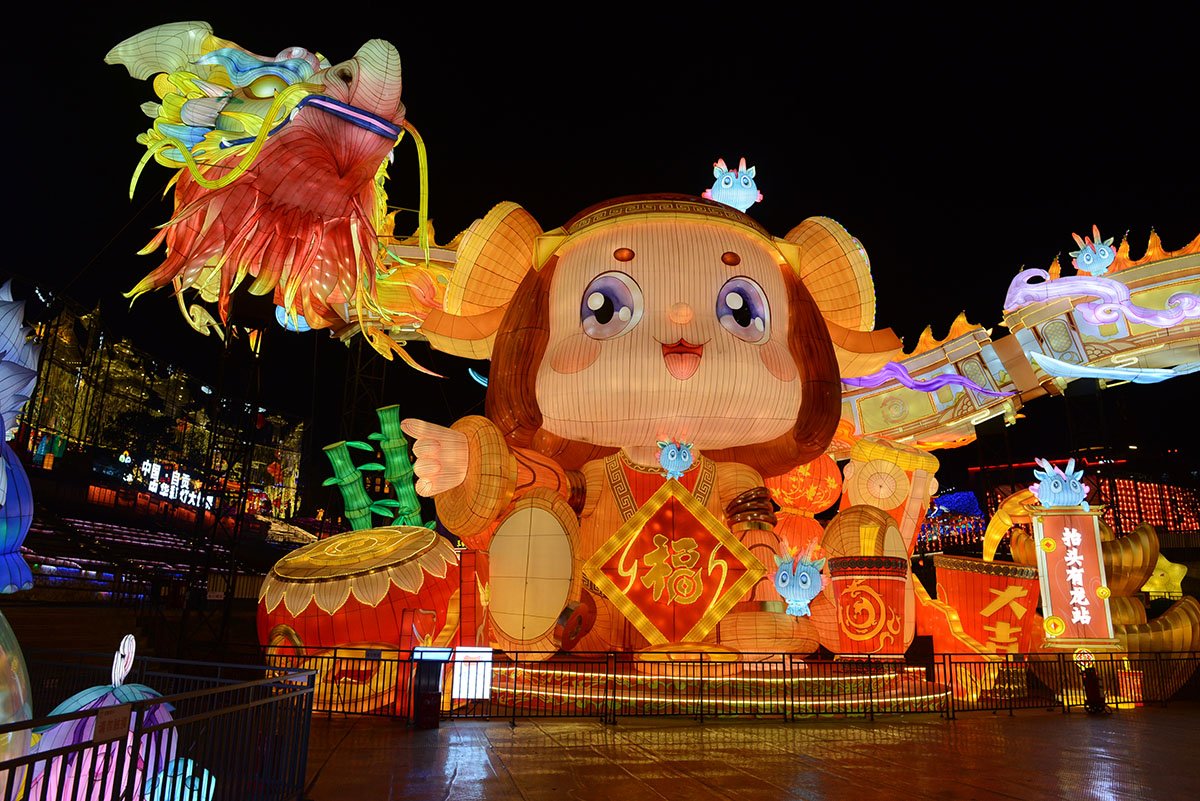
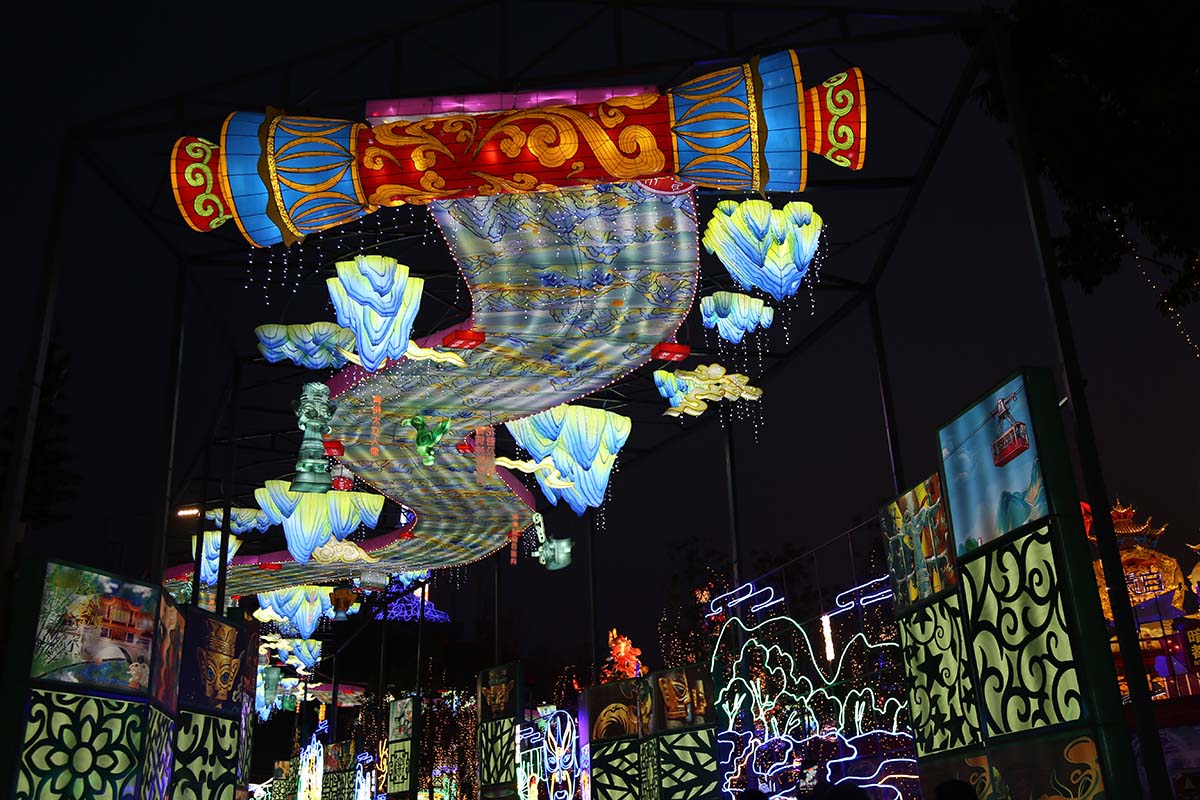
A few of the lantern pieces that go into a festival scene. Browse the product pages for the full spec, then tell us how you want yours built.
From First Brief to Opening Night — the Working Sequence
A festival has a longer runway than a ceremony, and more pieces in motion. We commit to each stage in writing, with a milestone schedule and on-site supervision for the install.
1. Brief and venue walk
You share the programme, the dates, the venue, the expected attendance, and the cultural register. We walk the venue (or video-walk it) with you and your team. We agree the anchor, the zones, and the install window.
2. Design freeze and render
We produce 3D renders of the anchor in the venue, the trail layout, and the photo-stop composition. We freeze the design and commit to the milestone schedule.
3. Build
The workshop fabricates the anchor and the zone pieces in 8-12 weeks. We send weekly progress photos and a video walkthrough at frame-complete.
4. Hand-paint and finish
Hand-painted surfaces, custom motifs, and detail work. We send finish samples and a paint-complete photo set for your sign-off before lighting install.
5. Lighting and night test
LED lighting, motion cues, and any sound installed. Every piece is lit in the workshop and photographed under night conditions before packing.
6. Crating, shipping, install, and on-site supervision
Pieces are custom-crated and shipped. Our install team is on-site for the build, the dress rehearsal, and opening night. During the season we are on call. At close, we refurbish for year two.

Work Backwards From Your Opening Date
6 months out: brief, venue walk, design freeze. 4 months out: build starts. 8 weeks out: shipping and customs cleared. 2-4 weeks out: install, night test, rehearsal. Opening night: lit, tested, and press-ready.
Running a Lantern Festival in Europe: Light Trails, Winter Markets and Chinese New Year
European venues run lantern festivals differently from North America — as winter light trails, as extensions of the Christmas market season, and as Chinese New Year programming in January and February. We build for all three patterns.
Winter Light Trails
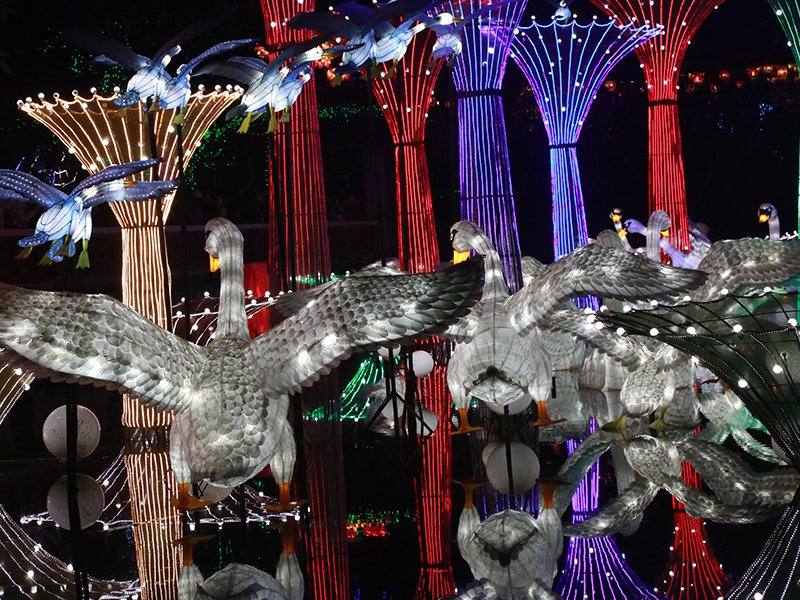
The dominant European format: a ticketed walking trail through a park or garden, 60-90 minutes, December to February. We design the trail as a sequence of scenes with a rhythm of anchor moments and quiet stretches — built for cold, wet, dark operating conditions.
Christmas Market Extensions
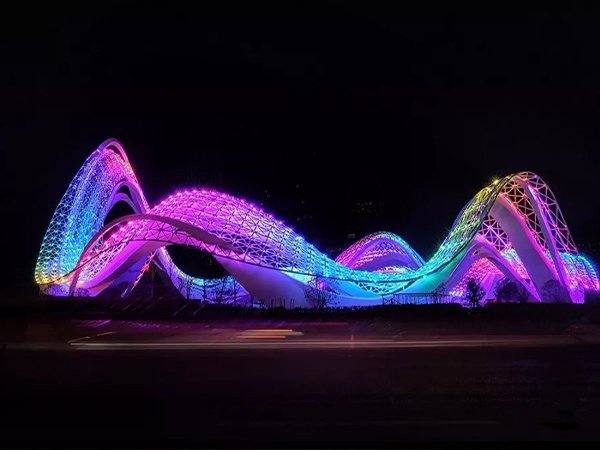
City-centre venues extend the Christmas market season with a lantern zone — a walk-through installation that keeps attendance up into January and February, when the market stalls have closed. Spec'd for plaza mounting, wind load, and council inspection.

Chinese New Year Programming
The traditional date: late January to mid-February. City celebrations, cultural institutions, and shopping districts programme lantern displays for the two-week festival window. EU compliance documentation, bilingual panel copy, and local electrical certification supplied.
Chinese Lantern Festival — Questions Organisers Ask First
What is the Chinese Lantern Festival, and when is it in 2027?
The Chinese Lantern Festival (Yuanxiao Festival) is a traditional celebration marking the end of Chinese New Year festivities, on the 15th day of the first lunar month. In 2027 it falls in late February. However, an international Chinese lantern festival — the kind we manufacture for — is a themed cultural event inspired by the tradition, run by international organisers on dates that suit their venue and audience (typically autumn to winter in the Northern Hemisphere, May to August in the Southern Hemisphere).
What's the difference between a festival and a ceremony?
A ceremony is a single unrepeatable moment — an opening, a wedding, an anniversary. The audience comes for one evening. A festival is a multi-week running event — visitors come and go over 6-10 weeks, and the pressure is distributed across the programme. Most festivals open with a ceremony. We design both, and we design them differently.
Do you supply lantern festivals for European venues?
Yes. European venues typically run lantern festivals as winter light trails, Christmas market extensions, or Chinese New Year programming. We supply EU compliance documentation, bilingual panel copy in your market's languages, and cold-climate spec as standard. Our delivered projects include Lightopia in the UK and Festival de Lanternes in Nice, France.
How far in advance should we plan a lantern festival?
For a full multi-zone festival: start 6 months before opening. Build is 8-12 weeks, shipping and customs 4-8 weeks depending on destination, install 2-4 weeks. A single anchor installation or a ceremony inside the festival can be fast-tracked in 4-6 weeks. Shorter timelines are possible — the trade-off is narrower design options and rush premiums.
How do we get a quote for a festival?
Send us the dates, the venue, the expected attendance, the cultural register (Chinese traditional, contemporary fusion, brand-themed, winter-trail), and the anchor direction. We will come back with a design brief, a milestone schedule, and a quote. Quotes are valid for 14 days because the festival calendar moves fast.
Can we create a completely custom festival theme?
Yes. Custom themes are the most common brief we receive. Brand colours, mascots, motifs, symbols, languages — we will design around the brief. Cultural authenticity is built in: a Chinese-themed festival draws on regional traditions, a winter trail draws on your venue's landscape, a brand activation draws on your story.
Are the displays built for outdoor winter use?
Yes. Outdoor festivals get weather-rated spec — weatherproofed electrics, wind-load engineering, and fabrics tested for the season. Indoor installations get fire-rated fabric and lower-spec electrical. For shoulder-season openings, we will advise on weather contingency.
Do you handle shipping, customs, and installation?
Yes. We ship to 50+ countries. Customs documentation is supplied. We can send an install supervisor to your venue, or run your local crew remotely. For festival openings we strongly recommend on-site supervision — the opening date is printed on every ticket, and a fast on-site team is worth the cost.
What happens to the pieces after the festival closes?
Three options: (1) we return to dismantle and refurbish the pieces for year two — most multi-year festivals do this, (2) you keep the pieces and re-site them in your venue, (3) you sell or gift them. The contract specifies the post-festival plan before signing.
Choosing a Lantern Festival Supplier: What Separates Them
Most briefs we receive are not actually asking "can you build this" — they are asking "how do I tell whether the supplier I am talking to is the right one". That is a fair question, because the international lantern market has three very different kinds of company that all describe themselves the same way in their marketing.
The first is the trading company: it takes your brief, sources from a workshop, and takes a margin on the difference. The second is the workshop that only builds: excellent craft, but no design service, no export documentation and no installation support, which leaves you assembling the project yourself. The third is the manufacturer that owns the whole chain — design, fabrication, shipping, customs paperwork and on-site installation. The distinction that matters is where the design decision gets made, because that is the point at which a change is still straightforward to make.
Three checks separate them quickly. Ask to see the same species or motif in the same pose that you are commissioning, not a portfolio of unrelated builds. Ask who signs off the structural calculations for wind load, and whether that person is in-house. And ask what happens between your approval of the concept and the container leaving — a supplier that cannot describe its own production sequence in detail is usually not the one building the display. Our own workflow, from first brief to opening night, is set out step by step below.
If you are comparing against European or North American event contractors, the useful comparison is not headline scope but how much of the risk they carry: cold-climate specification, EU compliance documentation, and whether an installation supervisor travels with the shipment. We publish our scope as a lantern festival supplier comparison in plain language, and the manufacturing side of the business is described separately under Chinese lantern manufacturing.
Turnkey Chinese Lantern Festival: What Is Actually Inside the Scope
"Turnkey" is the most overused word in this industry, and it usually means something narrower than the buyer assumes. A genuine turnkey Chinese lantern festival covers four phases, and a proposal that omits any one of them is not turnkey — it is a fabrication order with a design attachment.
Phase one is design and engineering. That means a 3D concept placed in your actual site layout, with visitor flow marked, not a generic render on a white background. It also means the structural work: frame calculations, wind loading for your specific exposure, anchoring design for your ground conditions, and a cable plan your electrician can work from before the containers arrive.
Phase two is fabrication and inspection. Photo updates at agreed milestones, a final pre-shipment audit, and documentation showing what was checked. Phase three is logistics and customs — export documentation, container loading plans, and clearance support at destination. Phase four is installation and handover: supervision on site, crew training, and the safety file your venue needs for its own insurance and licensing.
Where turnkey proposals differ most is phase four. Some suppliers ship an installation manual and call that support. For a multi-zone festival with a printed opening date, that is where projects fail. Our on-site installation and setup guide covers what the installation window actually looks like, and the procurement guide sets out what to fix in the contract before signing. For festival-scale builds rather than a single installation, the festival lantern range shows what the building blocks look like assembled.
Buy or Rent a Lantern Festival? How to Decide
This is the question that arrives most often from first-time organisers, and it deserves a straight answer rather than a sales position. Renting and buying are both legitimate models, and which one is right depends on something simple: how many seasons will this display run?
Rental makes sense for a one-off event, a trial year, a venue that cannot store anything between seasons, or an organiser whose funding is approved event by event. You pay for the use of the display, someone else owns the asset, and the storage and refurbishment problem belongs to them. The trade-off is that you cannot change the design, and your dates are constrained by what is available. Vendors offering rental typically work from a fixed catalogue.
Purchase makes sense from the second season onward. A lantern display is a durable asset: frames are metal, the fabric is replaceable in panels, and the electrical components are serviceable. A display built for a six-week festival run is generally built to be re-deployed, which is why most multi-year festivals buy rather than rent. Our lantern festival cost breakdown explains how the investment is structured across a build, and the budget and ROI guide works through the season-two case.
One caution we give every organiser considering rental: check who carries the risk if the display is damaged during the run. With rental, that is usually you. With a purchase, it is your own asset and your own insurance — but you also control the refurbishment and you can re-site the pieces in a different configuration next season. We sell rather than rent, because our work is custom-designed to your site; if your brief is genuinely a one-season event, we will tell you plainly that rental may suit you better.
Certification, Safety Files and Compliance for Festival Builds
For public-facing venues — municipal parks, zoos, shopping centres, heritage sites — the certification file is not paperwork that arrives after the display. It is a gate that the project has to pass before the venue's own insurer, licensing authority or health and safety team will sign off. A supplier that treats this as an afterthought will add weeks at the worst possible moment.
What an organiser should expect to receive, and to be able to produce on request: electrical certification for the lighting and control components; material documentation for fabrics, foam and fixings, including fire performance for any indoor installation; structural information covering frame design and the wind load the display is engineered for; and an installation method statement describing how the pieces are anchored at your specific site. For European venues, EU compliance documentation should be part of the package from the outset rather than a change request later.
The practical test is timing. Ask for the documentation list at proposal stage, not at delivery. If a supplier cannot tell you what it will provide, that is the answer. We supply the safety file as standard with every festival build, and every piece ships with the electrical and material certification a safety certified venue sign-off requires. Cold-climate specification is available as a standard option rather than a special order — which matters for the European lantern festival work we do, including the UK and Nordic programmes described in our UK and Ireland light trail and Nordic winter market guides. If your venue sits outside these markets, the shipping and customs guide covers how the documentation travels with the shipment.
Two Ways to Run a Chinese Lantern Festival — and How to Choose
Most first-time organisers picture one format, but the brief usually settles into one of two. The choice changes your footprint, your staffing, and how often visitors return.
- Walk-through light trail. Lanterns line a path through a park or zoo after dark. Longer dwell time, higher repeat-visit potential, more ground to light. Best when you want a ticketed evening anchor for a whole season.
- Fixed exhibition / central piece. A cluster of hero lanterns in a plaza, mall, or entry court. Smaller footprint, easier to staff, strong for footfall and photo share. Best when the goal is a destination moment rather than a routed experience.
Many organisers start with a fixed hero piece, prove local demand, then expand to a trail the next year. Either way, the moments that must land — the entrance, the hero animal, the photo corner — stay the same; only the route around them changes.
Related Reading
Ready to Plan Your Chinese Lantern Festival?
Send us the dates, the venue, and the programme you have in mind. We will come back with an anchor design, a zone plan, a milestone schedule, and a quote.
Request a Festival QuoteDiscover the stories behind the lights in our guide to Chinese lantern festival symbolism.
Planning your own event? Our Chinese lantern festival planning & sourcing guide walks through budgets, timelines, and supplier checklists step by step.
Discover how Zigong became the world’s lantern capital and why its 800-year lantern craft tradition shapes every display we build.
Explore more: If you are planning a Chinese lantern festival, these cultural scenes and archways fit right in: giant qilin lantern wallpaper · ocean world lantern archway · blessing culture lantern