Zoo Lights & Lantern Festival Programs
Zoo Lights Is a Ticketed Seasonal Program — Not a Single Decoration
A zoo lights program is a multi-week, multi-hectare, ticketed event that has to draw repeat visits and survive a full winter operating season. The brief is not "buy some lanterns" — it is "design an experience that the operator can run profitably for 2-3 months in weather that is rarely friendly." Here is how to plan one, and what to brief us on before signing.
What Zoo Operators Get From a Lantern Program Built for Them
Most lantern programs are built for festivals. Zoo lights programs are built for operators who run them every year and need them to keep working. Here is what a zoo-grade program looks like in practice.
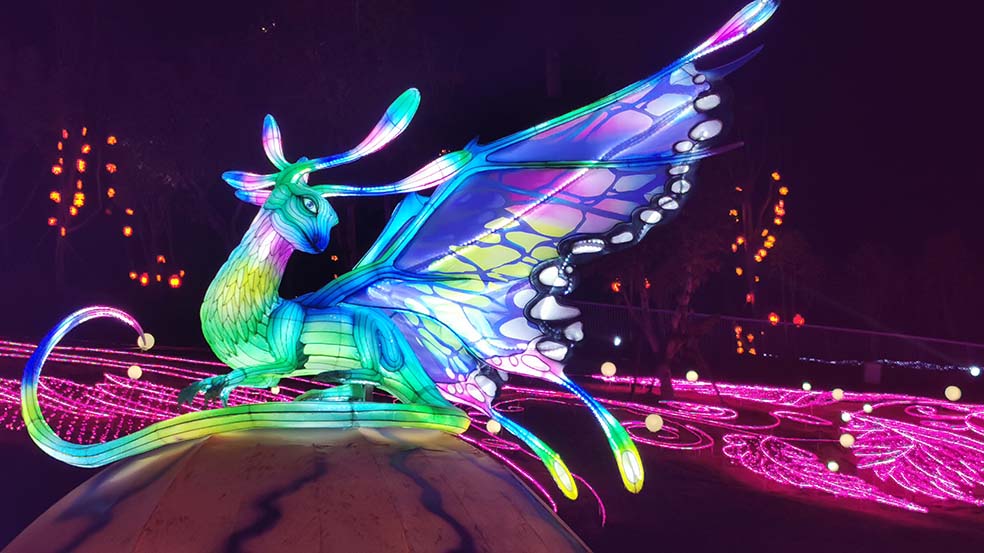
A Trail That Drives Repeat Visits
Zoo lights are not a single installation — they are a trail that operators run nightly for 6-12 weeks. The trail needs zones that pull visitors through, photo stops that anchor social sharing, and climactic pieces at the end. We design trails, not single pieces.
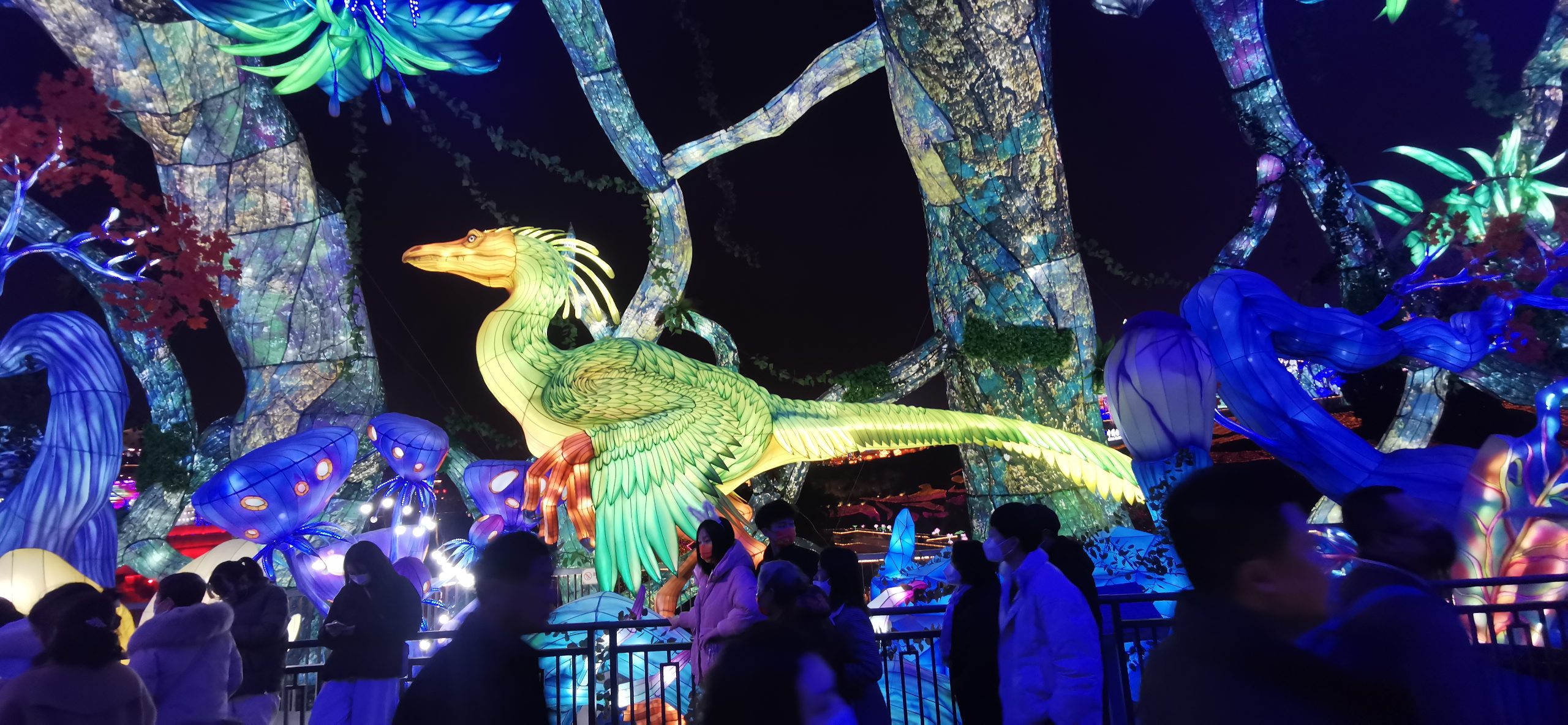
Animatronics Mixed With Lanterns, On One Trail
The most successful zoo lights programs mix illuminated lanterns with our animatronic dinosaurs and animals. Visitors see a static lantern, then turn a corner to a moving creature. We can build both under one contract, with one install team.
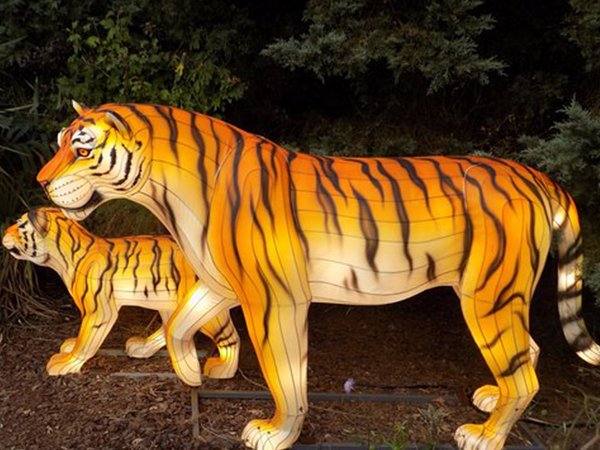
LED Lighting, Programmed to Your Show
Every piece is lit with energy-efficient LED sources built into the structure. The lighting is programmable — you can set how it changes colour, pulses, or sequences to choreograph the show to your trail story and music. Scenes stay bright for the whole season, and the colour program can be retimed year after year without touching the piece.
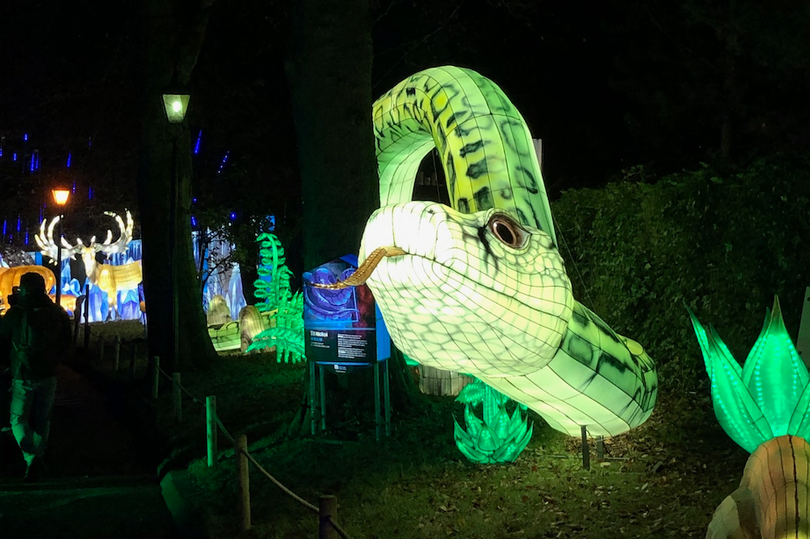
Safety and Code Compliance Built In
Zoo lights operate around the public in cold and wet weather. Electrical, fire-rated fabric, wind-load, crowd interaction, and emergency egress are all part of the spec. We supply safety documentation, structural calculations, and a commissioning handover.
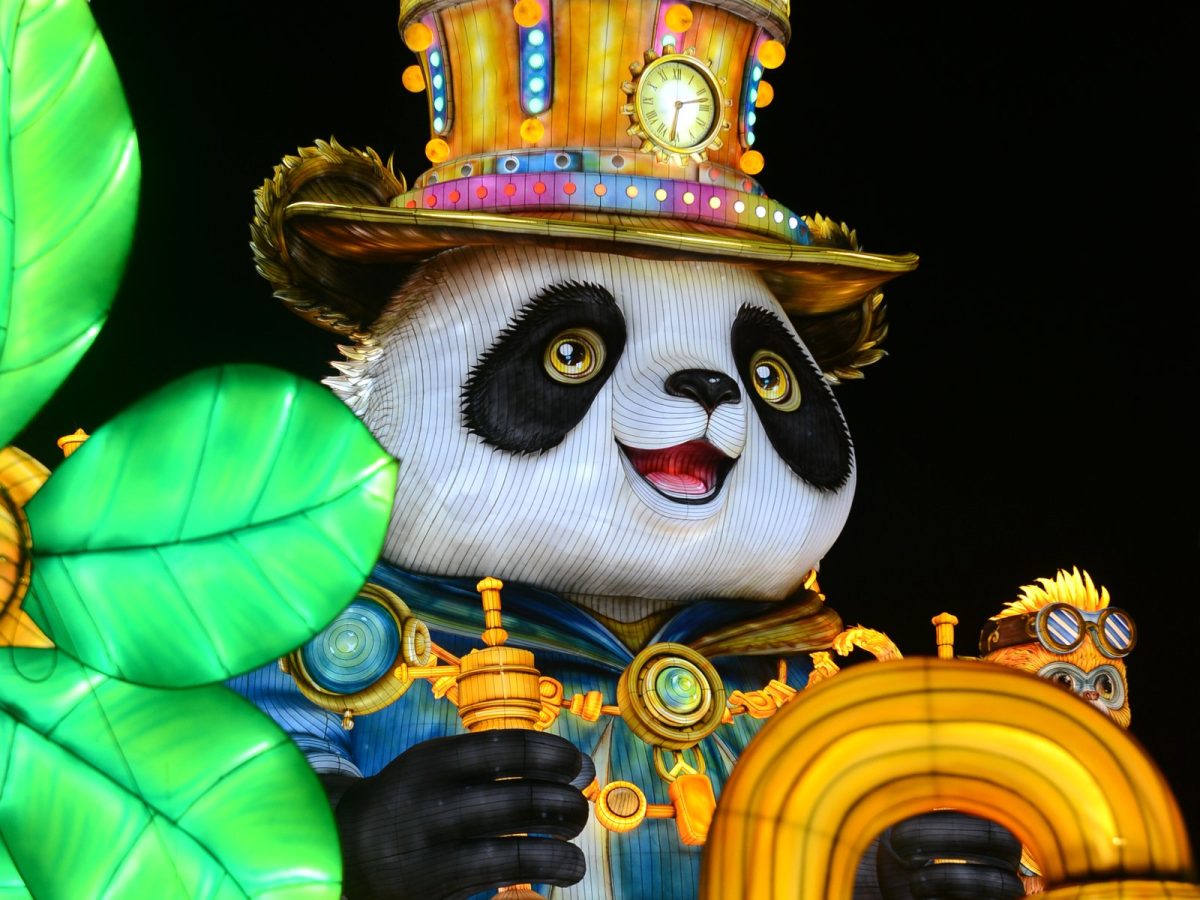
Modular Sections That Store Between Seasons
Pieces are built in modular sections that pack into labeled crates. Year-two install is faster than year-one because the crates are mapped to the trail. Storage is planned to the cubic metre, not as an afterthought.
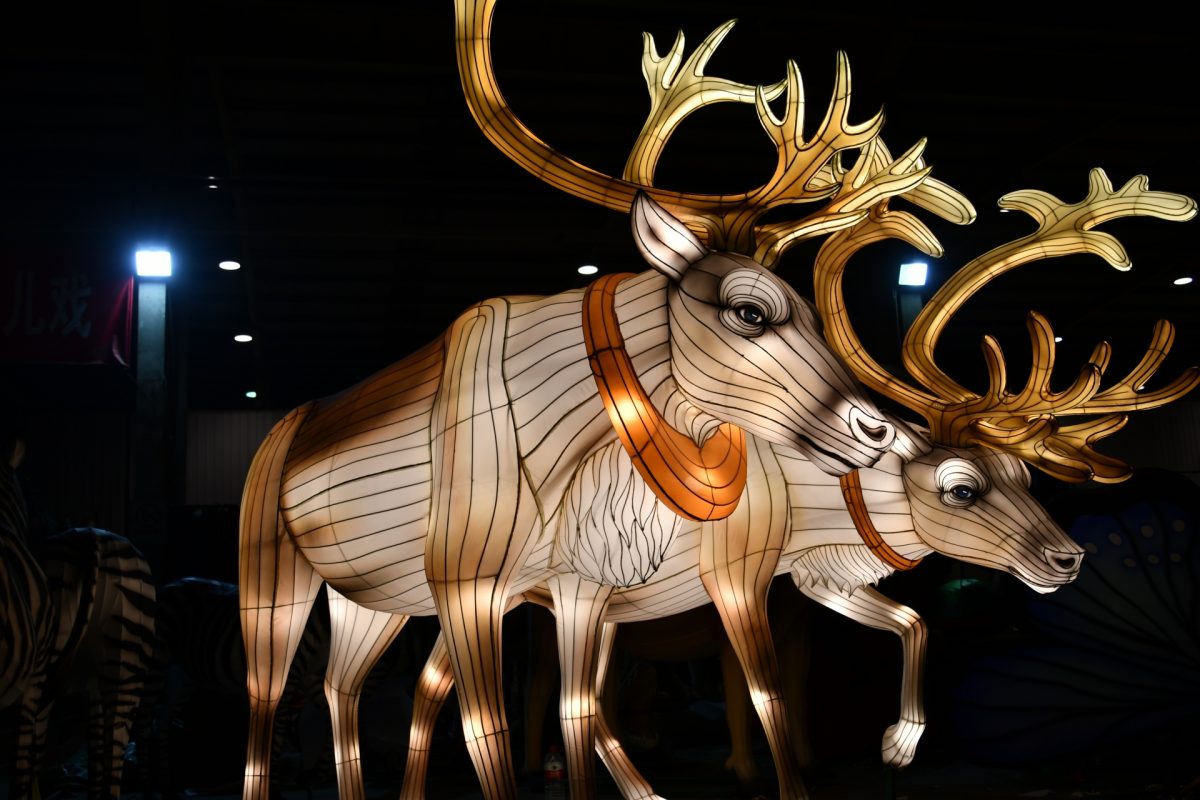
Operating Data Handover to Your Team
Before the season opens, we hand over the operating manual: lighting cues, motion programmes, daily start-up sequence, troubleshooting, replacement parts list. Your team runs the program — we are on call for the duration.
Plan a Zoo Lights Program Around the Operator's Reality
A zoo lights program has to land in a venue that the operator already runs every day. The buyers who get the best result work through four practical questions before signing. Skipping any of them is how programs go wrong.
1. Define the operating window: dates, hours, weather expectations
What is the season? What hours do you run nightly? What is the typical weather? A UK November-February program needs cold-wet-rated finish and shorter daily operating hours. A Florida November-January program needs humidity-rated electrical and longer hours. The season defines the spec.
2. Map the visitor path and key photo stops
Where do visitors enter, what do they see first, where do they stop, and what is the climactic piece at the end? The trail is a sequence. We design the lantern zones to match the visitor flow, with the dramatic pieces at the moments that drive social sharing.
3. Choose lantern zones + animatronic focal points
Every trail needs quiet zones (mid-trail, lower-density) and climactic zones (end-of-trail, anchor pieces). The animatronic focal points — T-Rex, triceratops, octopus — are placed at the climax of each zone. We will recommend the mix that keeps the trail interesting all the way through.
4. Define the lighting program and season re-use
Each piece is built with programmable LED lighting, so the colour, pulse and sequence can be set to your trail story and re-timed between seasons. We agree on the lighting program with your production team, and how the pieces are stored and re-installed for the next run. The contract states what your team handles on site versus what we handle — so the seasonal return is clear on day one.
Six Components of a Zoo Lights Program
A zoo lights program is six distinct components, each scoped separately. The buyer who understands all six before signing gets a better program for less money. Here are the six.
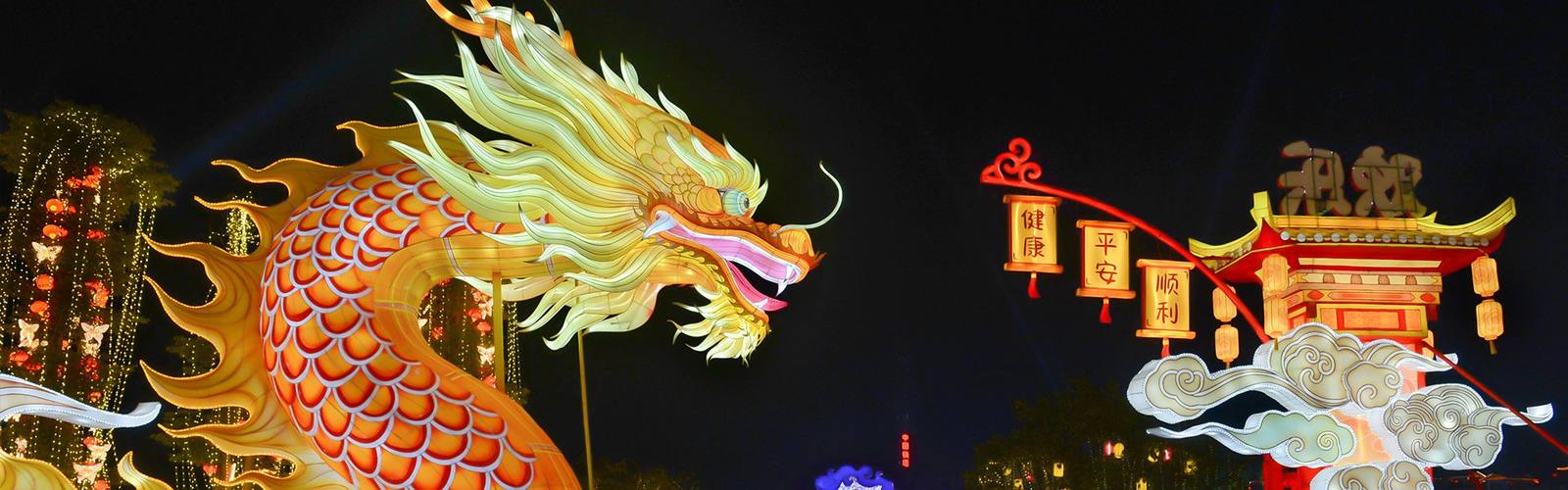
Trail-Wide Ambient Lighting
Path lighting, low-level illumination between pieces, wayfinding. Not lanterns — this is the infrastructure that makes the trail safe and navigable. Specified to local code, weather-rated, low-energy.
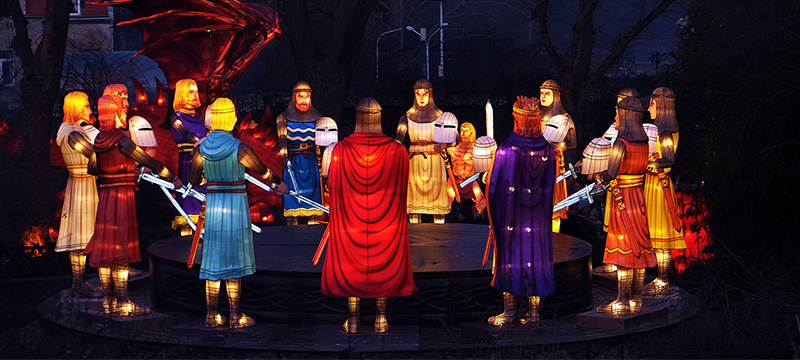
Themed Lantern Zones
3-6 zones, each with a theme (safari, jungle, ocean, arctic, mythical). Each zone has 5-15 lanterns, a wayfinding marker, and a photo-stop anchor piece. The zones give the trail rhythm.
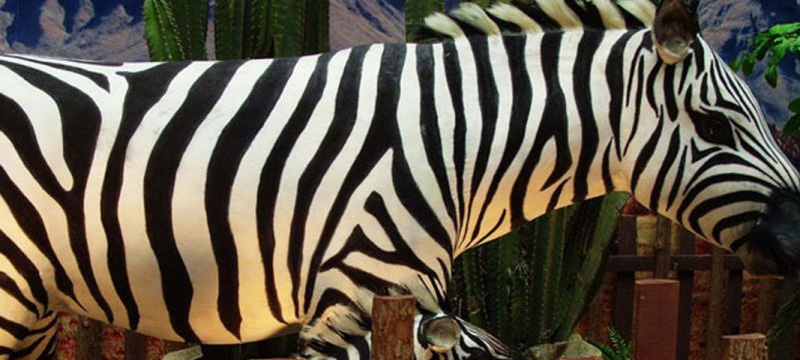
Animatronic Focal Points
2-6 animatronic creatures placed at climactic moments. T-Rex, triceratops, octopus, sea serpent. Patented surface finish, programmed movement, audio cues optional.
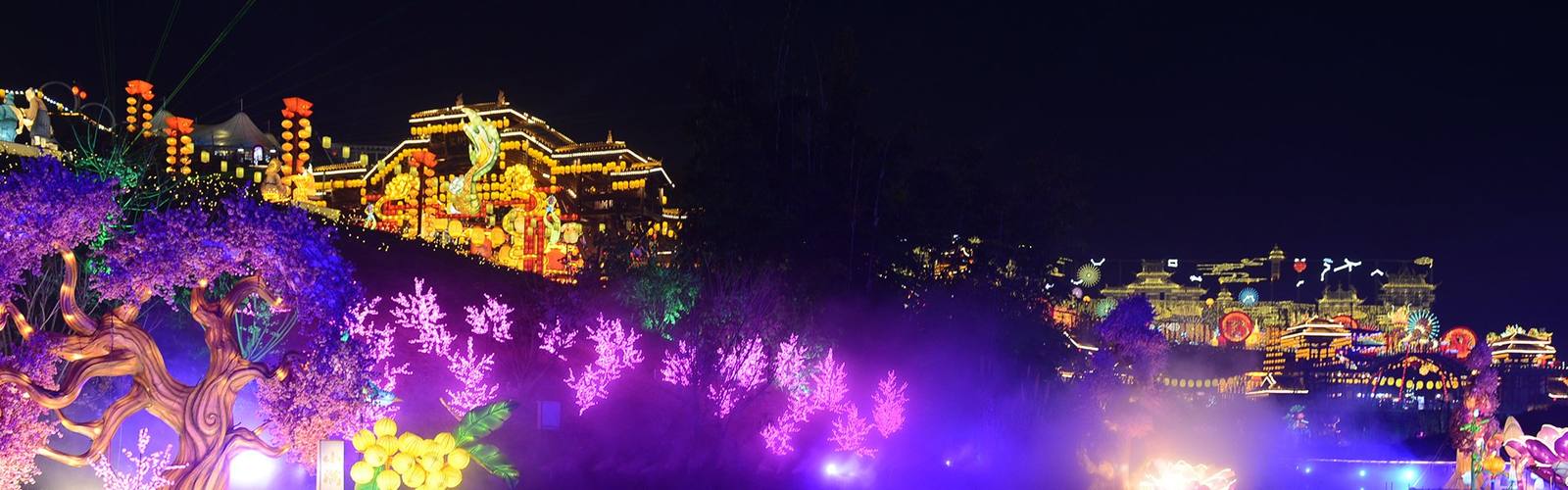
Gateway & Entrance Feature
The piece that frames the visitor's first photo. Sets the brand for the season. Usually 4-8m wide, branded with the zoo's identity and the season's name. Modular for year-on-year reuse.
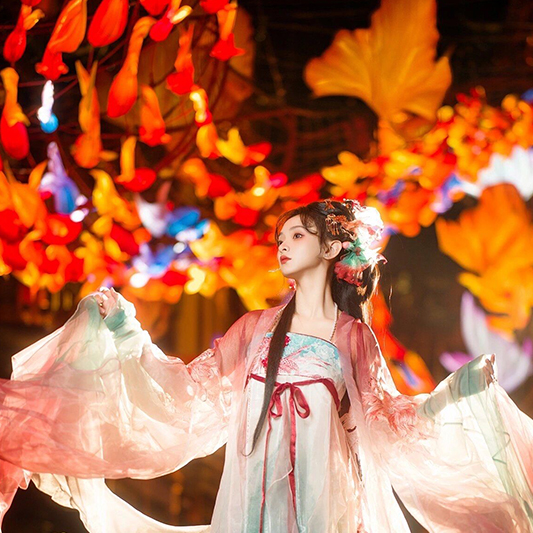
Photo-Stop Installations
Branded photo frames, "stand inside the lantern" moments, character cutouts. Designed for visitor social sharing — the pieces that show up on Instagram and TikTok. Sponsorable as revenue line items.
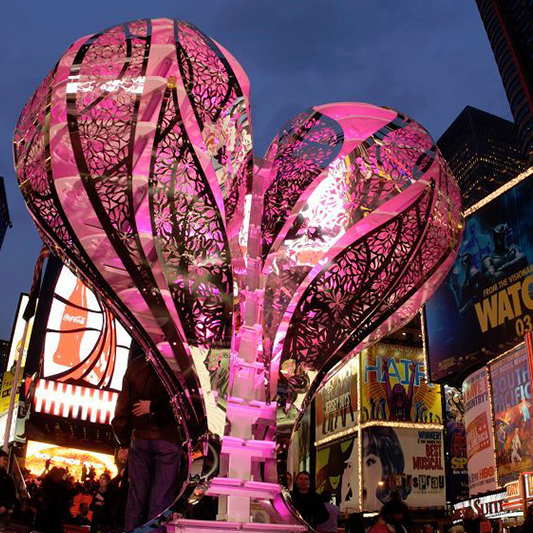
Food & Vendor Area Lanterns
Smaller decorative pieces in concession and vendor zones. Tied to the trail theme. Often sponsorable. Help extend the visitor dwell time in revenue-generating areas.
From Trail Concept to Opening Night — the Working Sequence
A zoo lights program follows a clear sequence. We commit to each stage in writing, and you see evidence at every milestone. Here is what the working sequence looks like.
1. Trail survey and zone design
We visit (or video-walk) the trail with your operations team. We map the visitor flow, the photo-stop opportunities, the climactic anchor locations, the storage area, and the electrical infrastructure. The zone design follows the survey.
2. Programme freeze and 3D render
We freeze the trail programme: number of pieces per zone, animatronic focal points, photo-stop list, and sponsor inventory. We produce 3D renders of the climactic pieces in their actual trail positions. You sign off before fabrication.
3. Build, paint, and finish
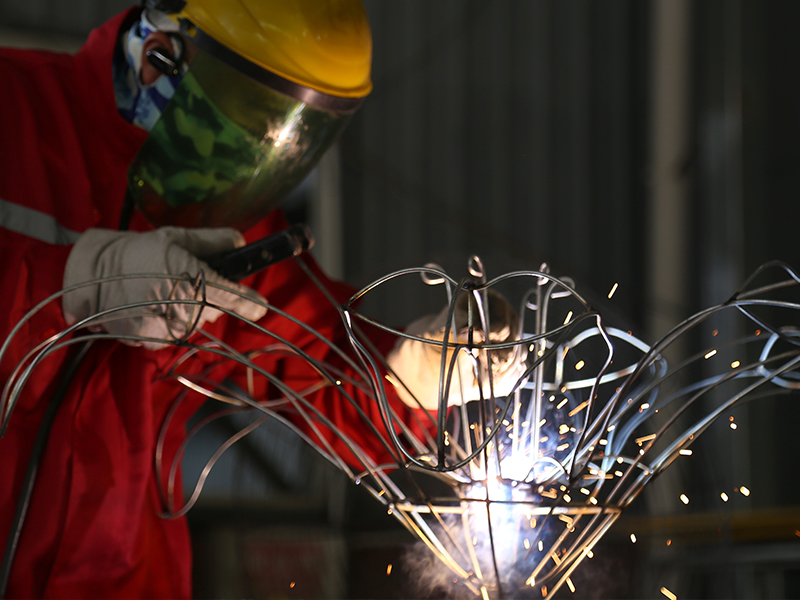
The workshop fabricates, hand-paints, and finishes every piece. We send weekly progress photos and a paint-complete photo set for sign-off before lighting install.
4. Lighting, motion, and night test
LED lighting, motion systems, and animatronic programming installed. Every piece is lit in the workshop and photographed under night conditions before packing. Electrical safety and IP-rating tested.
5. Crating, shipping, and on-site install
Modular sections are custom-crated and packed to the cubic metre. We ship to your nearest port. Our install team is on-site for the trail build, animatronic commissioning, and the operator handover.
6. Operating season and on-call support
During the operating season we are on call for technical issues. At season close, we share the lighting program settings with your team so the show can be re-timed for the next run, and we agree how the pieces are stored and re-installed.
Zoo Lights Programs We've Delivered
A small selection of zoo lights programs that shipped from our workshop. The full portfolio is in our gallery page.
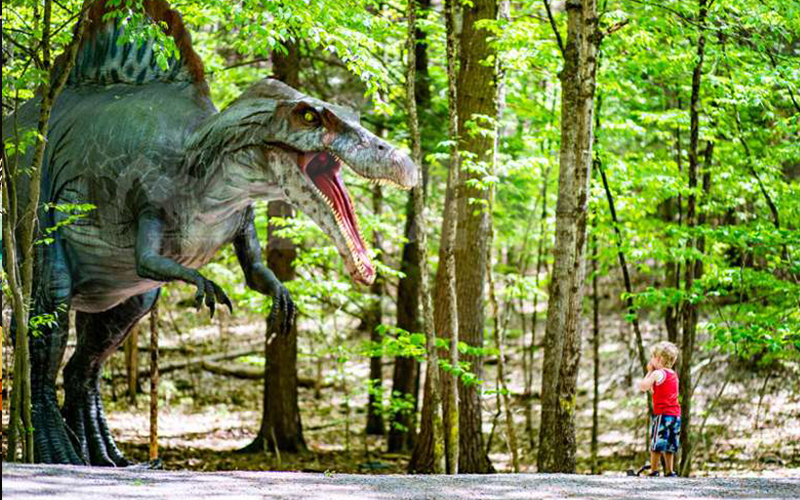
Franklin Park Zoo, Boston USA
Seasonal zoo lights trail. Over 25 lanterns and 6 animatronic focal points across the grounds, in cold-wet New England weather. Programmable LED lighting tuned to the winter season.
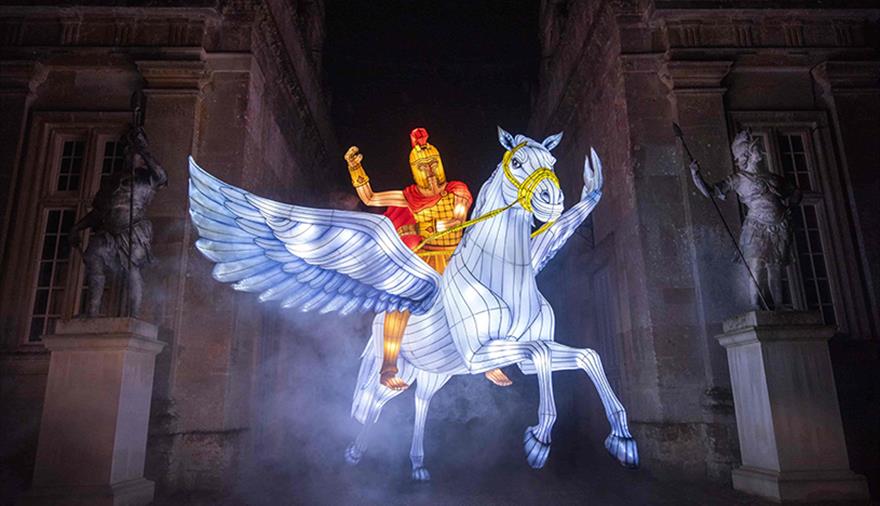
Lightopia Festival, Manchester UK
Multi-zone festival program with animatronic focal points. Three-year operating history. On-site install supervision, remote on-call support during the season.
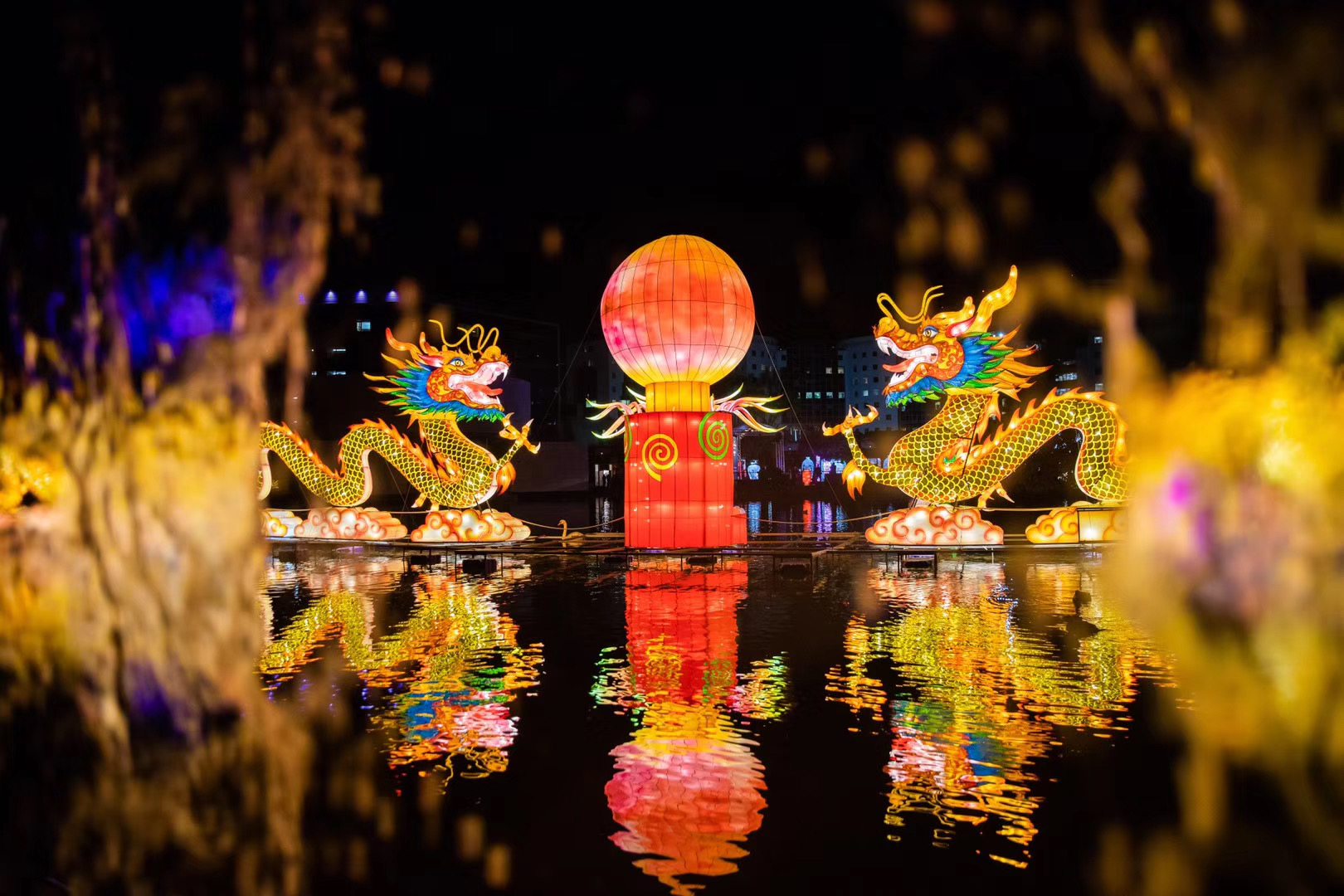
European City Zoo
Safari-themed zoo lights trail, over 20 animal lanterns, EU compliance documentation, French and English bilingual signage, and programmable LED lighting across the trail.
Zoo Lights — Questions Operators Ask First
What operating window do you recommend for a zoo lights program?
6-12 weeks is the standard operating window. Shorter than 6 weeks does not recover the install cost. Longer than 12 weeks stresses the pieces and shortens their useful life. Most zoo operators run November-January in the Northern Hemisphere or June-August in the Southern Hemisphere. We will recommend the window that fits your climate and visitor calendar.
How do we handle the lighting program between seasons?
Each piece ships with a programmable LED lighting system. We hand over the lighting program settings so your team can re-time the colour, pulse and sequence for the next season, and we agree how the pieces are stored and re-installed. The right method depends on your storage capacity and crew — we lay out the options with cost on the first quote.
What about safety and code compliance?
Every zoo lights program we deliver comes with full safety documentation: structural calculations, electrical certification, fire-rated fabric certification, wind-load engineering, and a commissioning handover. We work to local code in the destination country. Our electrical components carry CE certification.
Can the program be designed around existing zoo animals and habitats?
Yes. We can place lanterns in ways that complement (not compete with) the live animal habitats, or that activate the parts of the zoo that are not used in winter. The trail design considers the live animals' welfare and visitor flow around them.
How do we handle sponsorship and brand integration?
Sponsor inventory is built into the trail design from day one. We can supply sponsorable photo frames, branded gateway pieces, and corporate-colour lanterns. The sponsor revenue can offset the program cost. We work with your development team on the sponsor integration.
Can the lighting be re-programmed for a different theme next season?
Yes. The programmable LED system lets you change the colour, pulse and sequence without touching the piece. If your theme changes next season, we re-script the lighting program to match — a new look from the same installation, with no structural changes.
Can visitors interact with the lanterns?
By design, no. Lanterns are electrical and structural pieces. We do not design for visitor touch or climb. We do design photo-stop pieces that visitors stand beside or inside (cutouts and frames). The interaction is photographic, not physical.
Start Planning Your Zoo Lights Program
Send us your trail map, your operating window, and your visitor target. We will come back with a zone design, a programme schedule, and a price the workshop can stand behind.
Request a Zoo Lights Programme Quote