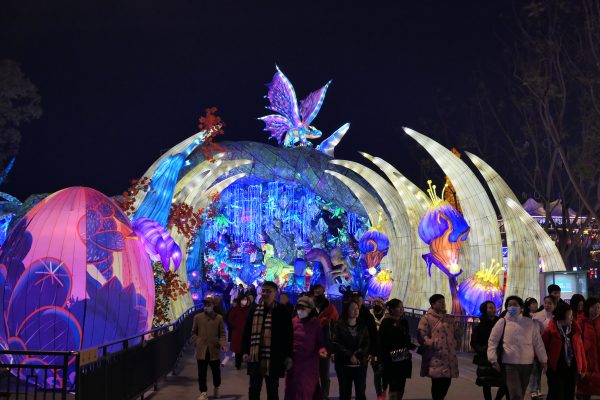
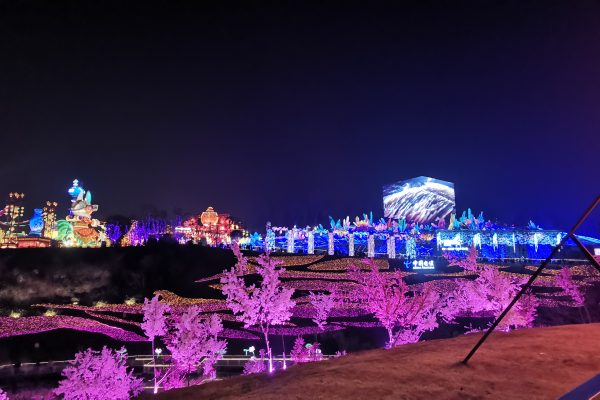
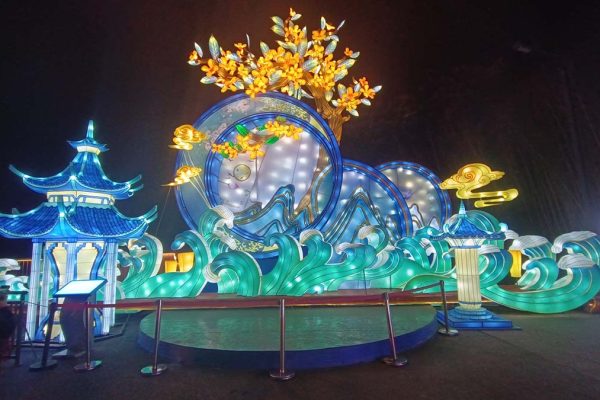
Every year, millions of visitors walk through illuminated wonderlands at zoos, museums, shopping malls, and theme parks across 40+ countries. What most don’t realize is that the majority of these spectacular lantern festivals trace their origins to a single city in southwestern China — Zigong (自贡).
Known globally as the “Lantern Capital of the World” and the “Hometown of Chinese Lantern Culture,” Zigong has been the beating heart of Chinese lantern-making for over 800 years. From the flickering oil lamps of the Tang Dynasty to today’s towering LED-powered dragon sculptures, the city’s artisans have transformed a regional folk tradition into a $3 billion global industry.
In this article, you’ll discover the complete story: how geography, salt wealth, imperial patronage, and modern engineering converged to make Zigong the undisputed center of the world’s lantern industry — and why the world’s most ambitious festivals still source their displays from this city of 2.5 million people.
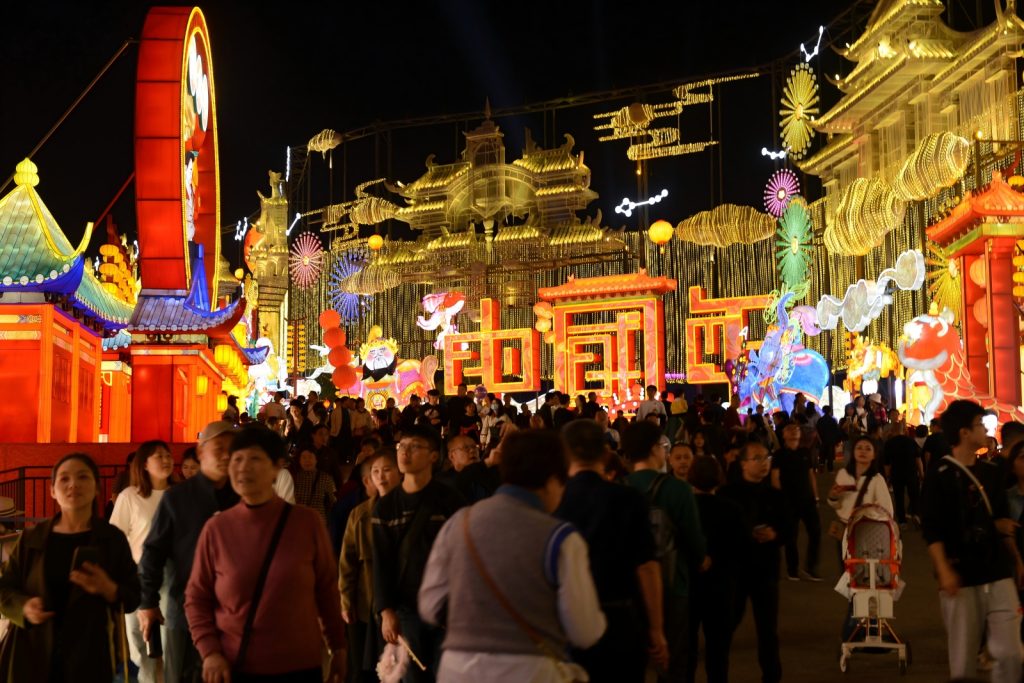
What Is Zigong? Geography, History & Identity
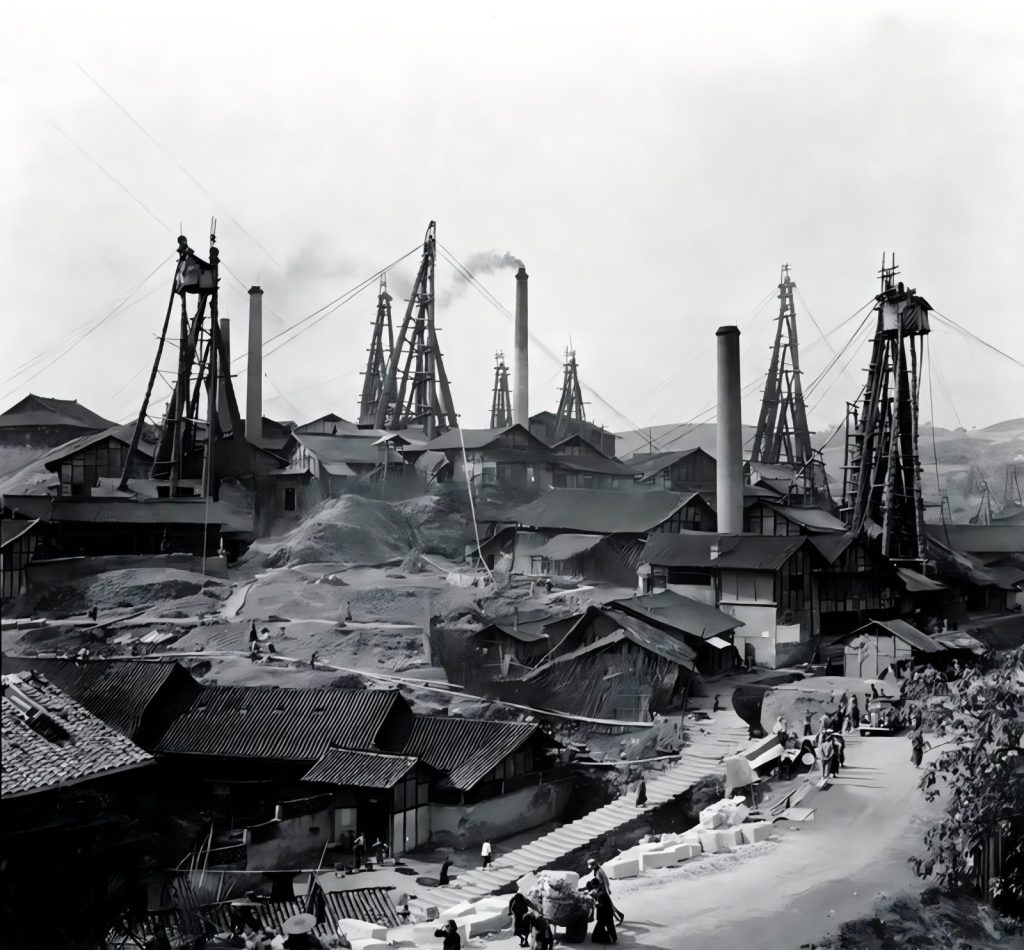
Zigong (自贡, pronounced “Tzu-gong”) is a prefecture-level city located in Sichuan Province, southwestern China, approximately 200 km south of the provincial capital, Chengdu. Nestled in the Sichuan Basin where the Fuxi River meets the Tuo River, Zigong sits at a strategic crossroads of natural resources that shaped its destiny.
Why Zigong’s Geography Mattered
| Geographic Factor | Historical Impact |
|---|---|
| Salt Deposits | Zigong possessed China’s richest underground brine wells. By the 19th century, it produced 80% of Sichuan’s salt, creating enormous wealth that funded lantern craftsmanship. |
| Bamboo Forests | Abundant bamboo supplied the raw material for lantern frames — lightweight, flexible, and locally available. |
| Textile Production | Sichuan’s textile industry provided the translucent, color-saturated fabric that became the signature medium of Zigong lanterns. |
| River Transport | The Tuo River connected Zigong to the Yangtze River system, enabling early trade and cultural exchange. |
| Moderate Climate | Warm, humid winters allowed outdoor lantern displays during the traditional festival season (15th day of the first lunar month). |
The city’s name itself — Zi (自, from) + Gong (贡, tribute) — reflects its imperial-era identity as a tribute-paying salt production center. This wealth didn’t just build mansions; it funded an extraordinary cultural renaissance that would eventually light up the world.
The Origins of Chinese Lantern Culture (Tang Dynasty, ~800 AD)
The story of Zigong lanterns begins not in Zigong itself, but in the Tang Dynasty (618–907 AD) — an era widely considered the golden age of Chinese civilization.
The First Lanterns: From Military Signal to Celebration
Lanterns were not invented in Zigong. The earliest Chinese lanterns date to the Eastern Han Dynasty (25–220 AD), when Emperor Mingdi (明帝) ordered Buddhist temples to light lamps on the 15th day of the first lunar month to honor Buddha. These were simple oil lamps placed inside paper-covered bamboo frames.
But it was during the Tang Dynasty that lantern culture truly flourished. Under Emperor Xuanzong (唐玄宗, r. 712–756), the Shangyuan Festival (上元节, Lantern Festival) was elevated from a religious observance to a three-day national celebration. The imperial capital, Chang’an (modern Xi’an), became a city of light:
- 30,000+ lanterns illuminated the streets in 713 AD
- Lantern towers reaching 150 feet (45 meters) were erected in palace courtyards
- Curfew was suspended for three nights, allowing citizens to roam freely among the displays
- Poets and painters documented the spectacle in works that survive to this day
The Zigong Connection: Salt Merchants Bring the Tradition Home
Here’s where geography and economics enter the story. As Tang Dynasty trade routes expanded, Zigong’s salt merchants traveled regularly to Chang’an and other cultural centers. They witnessed the imperial lantern festivals firsthand and brought the tradition back to Sichuan.
But Zigong’s artisans didn’t merely copy Chang’an’s lanterns. They improved them:
| Tang Dynasty Lantern (Chang’an) | Zigong Innovation |
|---|---|
| Paper covering (fragile, flammable) | Fabric covering (durable, translucent, color-rich) |
| Bamboo frame (simple construction) | Metal-wire reinforced frame (larger scale, wind-resistant) |
| Oil lamp (dim, smoky) | Candle placement inside hollow frame (brighter, contained) |
| Static displays | Rotating mechanisms (wind-powered or hand-cranked) |
| Basic shapes (cylinders, cubes) | Figurative sculptures (animals, deities, legends) |
By the late Tang period, Zigong’s lantern craftsmen had developed a distinctive style that would define the art form for the next millennium.
The Song & Ming Dynasties: From Royal Court to Folk Art
Song Dynasty (960–1279): The Lantern Festival Democratizes
The Song Dynasty saw the lantern festival evolve from an aristocratic spectacle into a genuinely popular celebration. Emperor Taizong (宋太宗) extended the festival from three days to five days. By the Southern Song (1127–1279), it had grown to a week-long celebration in major cities.
In Zigong, this democratization had profound effects:
- Guilds and associations began organizing neighborhood lantern competitions
- Salt merchant families commissioned increasingly elaborate private displays
- Craft specialization emerged: frame-makers, painters, mechanics, and lighting specialists
- Written manuals began circulating, documenting techniques for the first time
A Song Dynasty poem from a Sichuan traveler captures the atmosphere:
“The streets of Zigong are rivers of light — ten thousand lanterns reflecting in the Tuo River, as if the Milky Way had fallen to earth.”
Ming Dynasty (1368–1644): Lanterns as Political Symbolism
The Ming Dynasty brought a new dimension to lantern culture: political and philosophical symbolism. The Hongwu Emperor (朱元璋), founder of the Ming, came from a humble background and used the lantern festival as a tool of soft power — demonstrating imperial benevolence through public celebration.
In Zigong, three key developments occurred:
- The “Deng Hui” (灯会, Lantern Assembly): Formalized guild-based lantern exhibitions where different crafts competed for prestige
- Integration with opera and theater: Lantern displays began incorporating mechanical puppets that moved within the lanterns — a precursor to modern animatronics
- Color symbolism systematization: Specific colors became associated with meanings (red = prosperity, gold = imperial authority, blue = longevity, green = harmony)
The Qing Dynasty: Zigong’s Salt Wealth Fuels Lantern Innovation
If the Tang Dynasty planted the seed and the Song/Ming nurtured it, the Qing Dynasty (1644–1912) was when Zigong’s lantern culture exploded into its modern form. The reason was simple: money.
The Salt Economy: Zigong Becomes China’s Wealthiest County
During the Qing, Zigong’s salt industry reached its zenith. The city controlled what historians call the “Salt Monopoly of Sichuan” — a government-sanctioned cartel that supplied salt to half of China.
| Economic Indicator | Qing Dynasty Peak (c. 1850) |
|---|---|
| Annual salt production | 300,000+ tons |
| Salt tax revenue | 10% of Qing national tax income |
| Number of salt wells | 13,000+ |
| Salt merchant families | 200+ millionaire households |
| Zigong’s relative wealth | Richest county in Sichuan Province |
This extraordinary wealth had a direct cultural impact. Salt merchant families — the Wangs, Lis, Zhangs, and Huangs — competed to outdo each other in lantern extravagance.
The “Ten Thousand Lantern Mansions”
The most powerful salt merchant families built what locals called “Wan Deng Lou” (万灯楼, Ten Thousand Lantern Towers) — private estates where:
- Entire courtyards were filled with lantern installations year-round
- Artisan workshops employed 50–100 full-time lantern makers
- Competition displays featured mechanical lanterns with moving figures
- Innovation budgets funded experimental techniques (new materials, lighting methods, scale)
One surviving account from an 1843 travel diary describes a Zigong salt merchant’s Lantern Festival display:
“The courtyard contained a mountain of lanterns — literally a 30-foot artificial mountain, covered in 2,000 individual fabric lanterns, with mechanical dragons that crawled through caves, phoenixes that fanned their wings, and a working waterfall illuminated from within. The merchant claimed it took 200 artisans six months to build.”
The Birth of Modern Lantern Techniques
The Qing period saw the emergence of techniques still used today:
| Technique | Qing Dynasty Origin | Modern Application |
|---|---|---|
| Metal-wire frame | Replaced bamboo for large-scale structures | Still primary frame material for structures >5m |
| Layered brushwork | Multiple translucent layers for depth | Standard technique for 3D visual effects |
| Internal candle channels | Hollow frames with ventilation for candles | Adapted for LED wiring pathways |
| Mechanical movement | Wind and hand-cranked automata | Evolved into modern animatronic systems |
| Weather protection | Wax-treated fabric for outdoor displays | Evolved into modern outdoor-rated materials |
The 20th Century: Lanterns Go Modern
The 20th century brought both challenges and transformation to Zigong’s lantern tradition.
Republican Era (1912–1949): Tradition Under Pressure
The fall of the Qing Dynasty and subsequent civil wars disrupted the salt economy that had funded lantern craftsmanship. Many wealthy salt merchant families fled or lost their fortunes. However, the craft survived through three channels:
- Government preservation efforts: Local authorities recognized lanterns as a cultural asset worth protecting
- Guild reorganization: Artisan guilds restructured as cooperatives
- Folk persistence: Ordinary families continued making simpler lanterns for the annual festival
Mao Era (1949–1976): State-Sponsored Revival
Under the People’s Republic, Zigong’s lantern culture received state sponsorship — but with a twist. The government promoted lanterns as “folk art of the working people” while suppressing the “feudal” salt-merchant associations that had historically funded them.
Key developments:
- 1956: The Zigong Lantern Art Factory (自贡市彩灯艺术厂) was established as a state-owned enterprise
- 1960s: Lantern designs began incorporating socialist realism themes (workers, tractors, revolutionary heroes) alongside traditional motifs
- 1964: The first Zigong Lantern Festival was held as an official municipal event — a pivotal moment we’ll discuss next
Reform Era (1978–2000): The Export Revolution Begins
reforms launched by Deng Xiaoping in 1978 transformed Zigong’s lantern industry from a local tradition into a global export business.
- 1980s: Taiwan and Hong Kong businessmen began commissioning Zigong lanterns for Chinese New Year celebrations
- 1988: The first Zigong lanterns were exported to Singapore for the Spring Festival
- 1990: The Zigong Lantern Art Factory was restructured as a collective enterprise, allowing private investment
- 1992: Lanterns exported to Japan for the Osaka Lantern Festival
- 1994: First major export to Europe (Germany, for a Chinese cultural exhibition)
- 1997: First North American exhibition (San Francisco Chinese New Year Festival)
By 2000, Zigong had 12 registered lantern export companies and annual export revenue exceeding $10 million USD.
The Zigong International Dinosaur Lantern Festival (1964–Present)
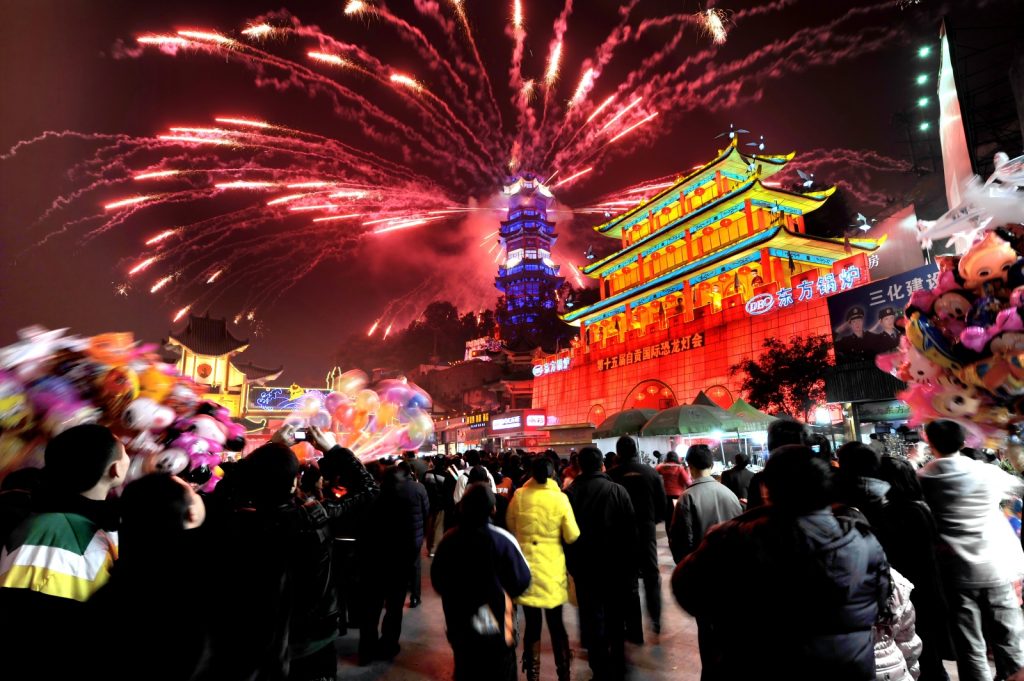
No discussion of Zigong’s lantern legacy is complete without the Zigong International Dinosaur Lantern Festival — the event that transformed a local tradition into a global cultural brand.
1964: The First Official Festival
The inaugural festival in 1964 was modest by today’s standards:
- Duration: 15 days (Lantern Festival period only)
- Location: Zigong City Center Park
- Lanterns: ~1,000 pieces, mostly traditional designs
- Visitors: ~50,000 local residents
- Budget: Government-funded, ~200,000 RMB
But it established a crucial precedent: the lantern festival as a municipal institution.
The Dinosaur Connection: A Brilliant Marketing Pivot
Here’s the genius move that changed everything. Zigong is not only the “Lantern Capital” — it’s also one of the world’s richest dinosaur fossil sites.
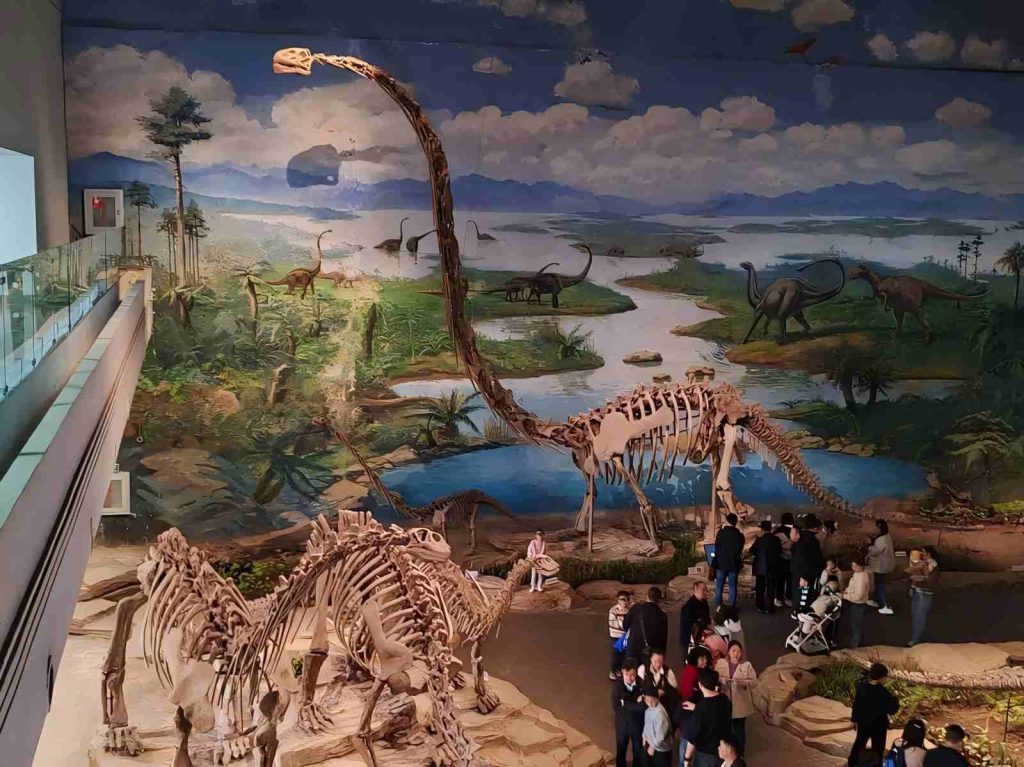
In 1915, American geologist R.C. Andrews discovered dinosaur fossils near Zigong. Subsequent excavations (1972–1980s) revealed:
| Discovery | Significance |
|---|---|
| Dashanpu Formation | One of the world’s most complete Middle Jurassic dinosaur fossil sites |
| 200+ individual dinosaurs | Including 18 complete skeletons |
| New species identified | Shunosaurus, Omeisaurus, Huayangosaurus — all named after the region |
| Zigong Dinosaur Museum | Opened 1987, Asia’s first dedicated dinosaur museum |
In 1987, festival organizers made a historic decision: combine lanterns with dinosaurs. The result was the world’s first dinosaur-themed lantern festival.
Evolution of the Festival (1964–2026)
| Year | Milestone | Scale |
|---|---|---|
| 1964 | First festival | 1,000 lanterns, 50,000 visitors |
| 1987 | Dinosaur theme introduced | 5,000 lanterns, 500,000 visitors |
| 1990 | First international visitors | 10,000 lanterns, 1M visitors |
| 1995 | First overseas satellite festival (Singapore) | Exported 50 lantern sets |
| 2000 | Online ticketing introduced | 2M visitors |
| 2005 | 3D design technology adopted | 30,000+ lanterns |
| 2010 | First “Lantern + Technology” interactive exhibits | 5M visitors |
| 2015 | 50th anniversary; first global livestream | 10M+ viewers |
| 2020 | Pandemic-era virtual festival | 50M+ online views |
| 2024 | 60th anniversary celebration | 8M in-person + 100M online |
| 2026 | Current edition (projected) | 100,000+ lanterns, 10M+ visitors |
Festival by the Numbers (2024)
| Metric | Figure |
|---|---|
| Total lanterns displayed | 120,000+ |
| Largest single lantern | 45-meter-tall Dragon Gate (龙宫) |
| LED lights used | 50 million+ |
| Festival area | 550,000 m (55 hectares) |
| Peak daily visitors | 350,000 |
| Total festival visitors | 8.2 million (in-person) |
| Countries represented (exhibitors) | 18 |
| Economic impact (direct + indirect) | $850 million USD |
| Media coverage | 3,000+ international news articles |
The Zigong Lantern Festival has become so iconic that “seeing the Zigong lanterns” is now on the bucket list of millions of international travelers.
UNESCO Recognition: Intangible Cultural Heritage of Humanity
On October 12, 2008, the United Nations Educational, Scientific and Cultural Organization (UNESCO) made a historic designation:
“The Lantern Festival of Zigong” was inscribed on the Representative List of the Intangible Cultural Heritage of Humanity.
What This Recognition Means
| Aspect | Significance |
|---|---|
| International legitimacy | Zigong lantern-making is officially recognized as a cultural practice of global importance |
| IP protection | The “Zigong Lantern” name gains legal protection against unauthorized use |
| Tourism boost | UNESCO designation increased international visitor numbers by 40% in the following decade |
| Funding access | Eligible for international cultural preservation grants |
| Brand value | “UNESCO-recognized” becomes a powerful marketing tool for manufacturers |
The Citation
UNESCO’s official citation highlights:
“The Lantern Festival of Zigong represents a unique synthesis of artistic craftsmanship, engineering innovation, and communal cultural practice. The tradition, maintained continuously for over eight centuries, demonstrates the extraordinary capacity of human creativity to transform simple materials — fabric, bamboo, and light — into instruments of collective wonder.”
How Zigong Lanterns Are Made: The 8-Step Craft Process
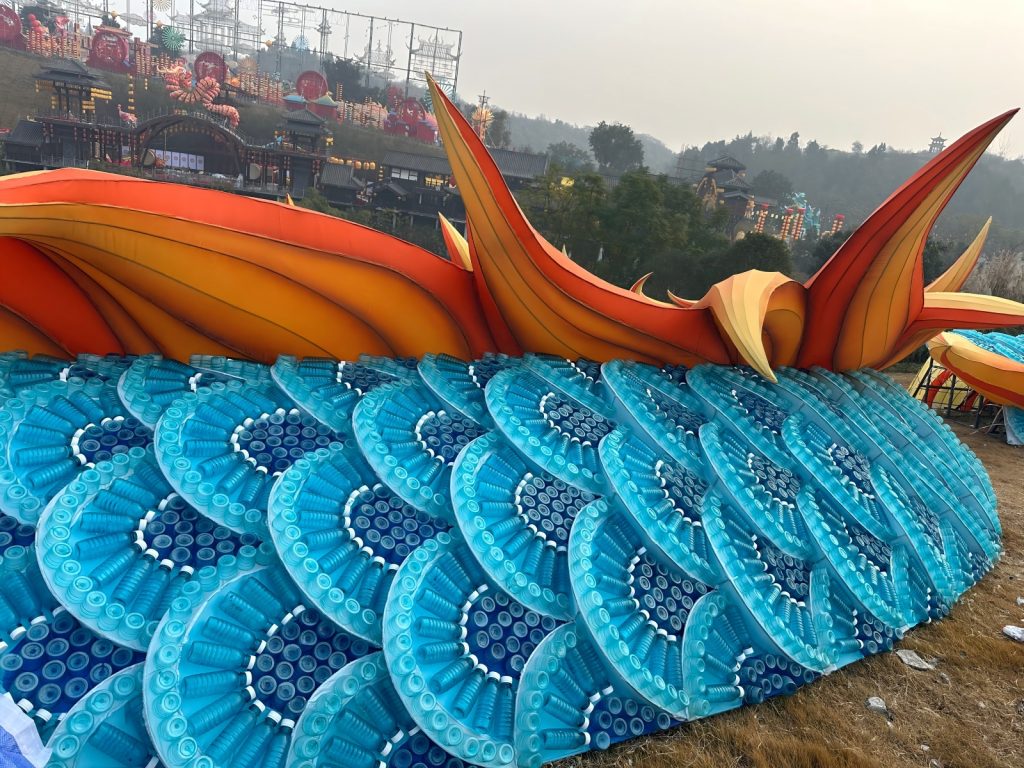
Understanding Zigong’s lantern legacy requires understanding how the lanterns are actually made. The process has been refined over 800 years and remains remarkably consistent today.
Step 1: Concept & Design (1–3 weeks)
| Activity | Details |
|---|---|
| Client consultation | Theme, venue, budget, timeline |
| 3D modeling | Modern: Maya / 3ds Max / Blender; Traditional: hand-drawn sketches |
| Structural engineering | Load calculations, wind resistance, foundation requirements |
| Color palette selection | Based on theme, cultural symbolism, and LED compatibility |
| Scale confirmation | Full-size mockup for structures >10m |
Step 2: Frame Construction (2–6 weeks)
Frame structures are specified by the size and site conditions of each piece: light internal structures for small lanterns and fine detail elements, heavier engineered structures for medium pieces from 3 to 15 metres, and reinforced welded structures for anything above 15 metres. Lightweight alloys are used wherever a section needs to move.
The frame is built using traditional binding techniques (wire wrapping + welding) combined with modern CAD-guided cutting for precision.
Step 3: Surface Covering & Colour (1–4 weeks)
Covering fabrics are chosen by the effect each surface needs: high-sheen satin weaves for main body surfaces, translucent organza for wings, clouds and water effects, patterned brocade for traditional motifs, and flexible stretch fabrics for complex curves and organic shapes.
Traditional method: Stretch the fabric over the frame by hand and secure it with a rice-starch paste.
Modern method: Machine-cut fabric panels, bonded and reinforced with stitching for large production runs.
Step 4: Hand-Painting (1–6 weeks)
This is where Zigong’s artistic tradition truly shines. Master painters use:
- Mineral-based pigments (traditional) or acrylic paints (modern)
- Fine-tipped brushes for details down to 0.5mm precision
- Layered techniques: Base color → shading → highlights → protective coating
- Gold leaf application for imperial/mythological themes
A single large lantern (e.g., a 10-meter dragon) can require 200+ hours of hand-painting.
Step 5: LED Integration (3–10 days)
| LED Type | Application | Color Range |
|---|---|---|
| SMD 5050 | General illumination | RGB + Warm White |
| SMD 2835 | Detail lighting, eyes | Single color |
| Pixel LEDs (WS2812B) | Programmable effects | 16.7 million colors |
| Flood LEDs | Large surface wash | RGBW |
| Laser modules | Special effects | Red/Green/Blue |
Wiring: All internal, hidden within frame channels. IP rating: outdoor-rated minimum for outdoor installations.
Step 6: Mechanism Installation (3–14 days)
For animated/moving lanterns:
| Mechanism | Application | Power Source |
|---|---|---|
| Electric motors | Rotation, flapping, crawling | 12V/24V DC |
| Pneumatics | Rapid movement, jumping | Compressed air (6 bar) |
| Hydraulics | Heavy lifting, large structures | Oil hydraulic (150 bar) |
| Servo systems | Precise positioning | Programmable controllers |
| Sensor triggers | Interactive elements | IR/motion/pressure sensors |
Step 7: Quality Control & Testing (2–5 days)
| Test | Standard | Pass Criteria |
|---|---|---|
| Structural load test | 1.5x design wind load | No deformation |
| Weather-resistance check | water-ingress check | No water ingress |
| Electrical safety | IEC 60598 | Insulation resistance >2MΩ |
| Color consistency | Pantone matching | ΔE <3 |
| Animation cycle | 72-hour continuous | Zero mechanical failures |
Step 8: Packing & Shipping (3–7 days)
| Packing Method | Application | Protection Level |
|---|---|---|
| Wooden crate | Large structures (>5m) | Shock-proof, moisture-resistant |
| Corrugated carton | Small-medium lanterns | Standard export packaging |
| Bubble wrap and padded protection | Delicate elements | Anti-vibration |
| Custom frame | Irregular shapes | Tailored protection |
Shipping: Ocean freight (standard, 20–40 days) or air freight (urgent, 3–7 days). Incoterms: Typically FOB Shanghai/Ningbo or CIF destination port.
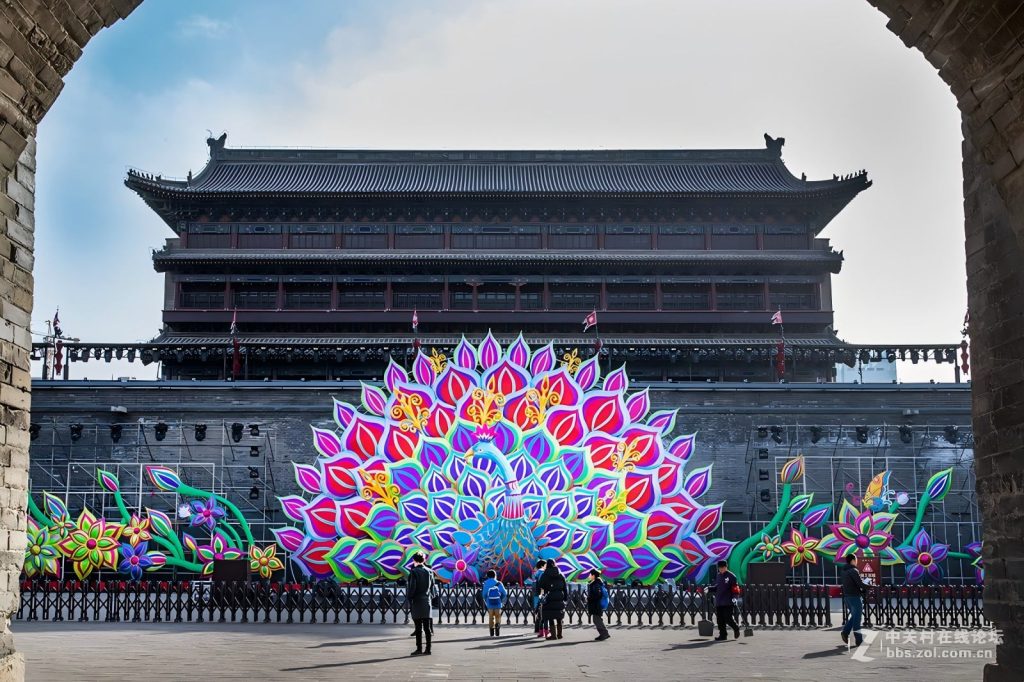
From Local Craft to Global Industry: Zigong’s Export Revolution
The Numbers: Zigong’s Global Market Share
| Year | Export Value (USD) | Countries Served | Major Markets |
|---|---|---|---|
| 1995 | $15M | 8 | Asia-Pacific |
| 2000 | $45M | 18 | Asia + Europe |
| 2005 | $120M | 32 | Global |
| 2010 | $280M | 45 | Global |
| 2015 | $550M | 58 | Global |
| 2020 | $680M | 62 | Global (pandemic dip) |
| 2024 | $1.2B | 68 | Global |
| 2026 (est.) | $1.5B | 72 | Global |
Where Zigong Lanterns Go Today
| Region | Share | Typical Venues |
|---|---|---|
| North America | 28% | Zoos, botanical gardens, theme parks, shopping malls |
| Europe | 22% | City festivals, museums, cultural centers, Christmas markets |
| Middle East | 18% | Shopping festivals, national celebrations, luxury resorts |
| Asia-Pacific | 20% | Theme parks, cultural festivals, corporate events |
| Latin America | 7% | City festivals, cultural exchanges |
| Africa | 5% | Cultural festivals, Chinese embassy events |
Key Export Markets by Country (2024)
| Rank | Country | Annual Import Value | Notable Venues |
|---|---|---|---|
| 1 | USA | $180M | Bronx Zoo, LA Zoo, Missouri Botanical Garden |
| 2 | UK | $95M | London Zoo, Kew Gardens, Manchester Festival |
| 3 | Germany | $78M | Frankfurt Zoo, Munich Christmas Market |
| 4 | UAE | $72M | Dubai Festival City, Global Village |
| 5 | France | $65M | Paris Zoo, Lyon Festival of Lights |
| 6 | Japan | $58M | Tokyo Midtown, Osaka Festival |
| 7 | Canada | $52M | Toronto Zoo, Vancouver Botanical Garden |
| 8 | Australia | $48M | Sydney Zoo, Melbourne Festival |
| 9 | Singapore | $42M | Gardens by the Bay, Sentosa |
| 10 | Netherlands | $38M | Amsterdam Light Festival |
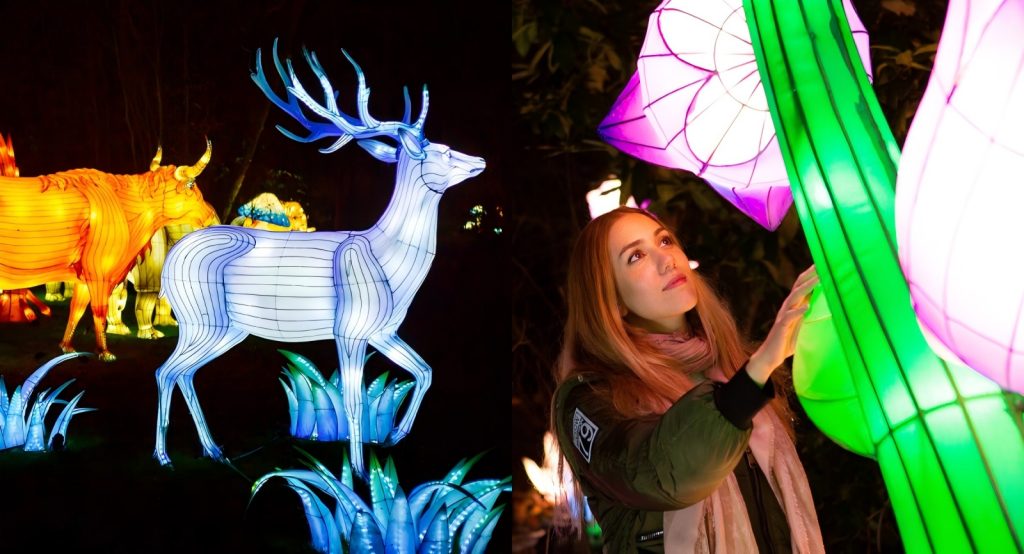
Why the World Chooses Zigong Lantern Manufacturers
The “Zigong Advantage”
| Factor | Zigong | Other Regions |
|---|---|---|
| Craft heritage | 800+ years continuous | <100 years or none |
| Artisan workforce | 15,000+ trained craftsmen | Limited |
| Supply chain | Complete (materials, structure, lighting, paint) | Fragmented |
| Scale capability | 100,000+ lanterns/year | 5,000–20,000 |
| Price competitiveness | More competitive than Western manufacturers | Higher |
| Customization | Full bespoke (any size, theme, shape) | Limited catalogs |
| Installation service | Global on-site teams | Rarely offered |
| IP protection | Patent portfolio (200+) | Limited |
| Cultural authenticity | UNESCO-recognized tradition | Replicas |
Quality vs. Price: The Zigong Sweet Spot
Projects are quoted by scope rather than by a fixed price list: the tier depends on the size and complexity of each structure, the amount of hand-finishing and the level of motion and interactive features involved. A small community festival and a monumental landmark installation are specified, engineered and quoted as completely different projects.
Note: Prices vary by complexity, animation features, and installation requirements. All FestiveLanterns products are custom-quoted based on project specifications.
Modern Innovations: LED, 3D Design & Patented Surface Finishes
Zigong’s lantern industry hasn’t remained frozen in tradition. Over the past two decades, three technological revolutions have transformed the craft:
Revolution 1: LED Technology (2005–2015)
| Before LED | After LED |
|---|---|
| Incandescent bulbs (hot, fragile, high maintenance) | SMD LEDs (cool, durable, low maintenance) |
| Limited color palette (warm white, red, yellow) | Full RGB spectrum + programmable color changing |
| High energy consumption (500W per large lantern) | 80% energy reduction (100W equivalent brightness) |
| Fire risk (open flame/candles) | No open flame, outdoor-rated |
| Static brightness | Programmable dimming, pulsing, chasing effects |
| Manual color changes | DMX-controlled, synchronized to music |
Revolution 2: 3D Design & Digital Manufacturing (2010–2020)
| Traditional Process | Modern Process |
|---|---|
| Hand-drawn sketches | 3D modeling (Maya, 3ds Max, Blender) |
| Physical scale models | VR walkthrough previews |
| Manual frame bending | CNC wire bending machines |
| Hand-cut fabric panels | Laser-cut precision panels |
| Painted by eye | Color-calibrated digital printing |
| Trial-and-error assembly | Pre-fabricated modular components |
Impact: Design-to-production time reduced from 6 months to 8 weeks for standard projects.
Revolution 3: Patented Surface Finishes (2018–Present)
The most significant recent innovation is patented surface-finish technology for animatronic lanterns and dinosaur exhibits.
The result is a surface that captures fine detail — scale texture, muscle definition, skin folds — at a level of realism that rigid shells and painted finishes cannot reach, while staying colourfast and outdoor-ready through continuous public display.
FestiveLanterns holds the exclusive patent for this technology (Chinese Patent ZL 2022 1 0224489.5), making us one of only three manufacturers worldwide capable of producing realistic-finish animatronic exhibits at commercial scale.
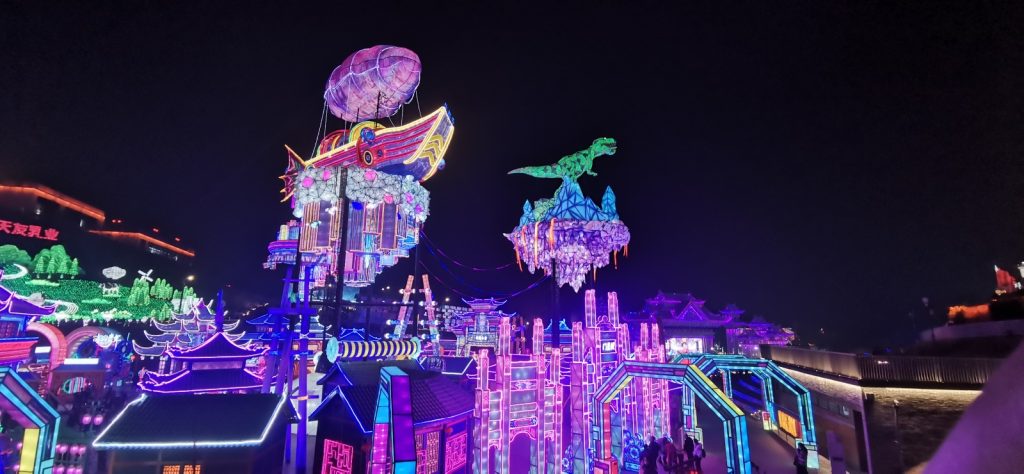
Zigong Today: Numbers That Define the Industry
The Zigong Lantern Ecosystem (2024)
| Category | Figure |
|---|---|
| Total lantern enterprises | 1,200+ |
| Large manufacturers (>100 employees) | 85 |
| Medium manufacturers (20–100 employees) | 340 |
| Small workshops (<20 employees) | 800+ |
| Total industry employment | 85,000+ |
| Master craftsmen (高级工艺师) | 1,200 |
| Annual industry output value | $3.2 billion USD |
| Export revenue | $1.2 billion USD |
| Domestic revenue | $2.0 billion USD |
| Lanterns produced annually | 500,000+ pieces |
| Countries served | 68 |
| International festivals supplied | 320+ annually |
| Museum exhibits supplied | 150+ annually |
| Theme park installations | 200+ annually |
| Zoo light events | 80+ annually |
Zigong’s Supporting Industries
| Industry | Role in Lantern Production |
|---|---|
| Metal fabrication | Frame manufacturing, 200+ specialized suppliers |
| LED electronics | Lighting systems, 50+ LED assembly factories |
| Fabric/textile | Covering materials, 30+ fabric processors |
| Paint/pigments | Artistic materials, 15+ chemical suppliers |
| Packing/logistics | Export packaging, 80+ logistics providers |
| 3D printing | Rapid prototyping, 20+ service bureaus |
| Animation/AV | Interactive content, 10+ multimedia studios |
FestiveLanterns: Continuing the Zigong Legacy
At FestiveLanterns (Zigong Huilongtang Culture & Art Co., Ltd.), we are proud to be part of this 800-year tradition. Founded in 2012 by Yang Shiping, our company represents the next evolution of Zigong lantern craftsmanship.
Our Connection to Zigong’s Heritage
| Heritage Element | How We Preserve It |
|---|---|
| Master craftsmen | 35+ artisans with 20+ years experience, trained in traditional Zigong techniques |
| Hand-painting | Every lantern receives hand-painted details — no mass-printed shortcuts |
| Fabric-on-frame tradition | Primary construction method for all display lanterns |
| Zigong design philosophy | “One lantern, one story” — each piece tells a cultural narrative |
| Guild-quality standards | Internal QC stricter than industry norms |
Our Modern Innovations
| Innovation | Application |
|---|---|
| Patented surface-finish technology | Patented animatronic dinosaur/animal exhibits |
| Interactive sensor systems | Visitor-triggered animations and sound |
| App-controlled LED programming | Remote color/brightness/effect management |
| Modular design system | Faster installation, easier maintenance |
| VR preview service | See your festival before production begins |
Why Clients Choose FestiveLanterns
“We’ve worked with lantern manufacturers from three countries. FestiveLanterns is the only one that truly understands both the artistic tradition and the technical requirements of modern zoos. Their realistic-finish dinosaurs are the most realistic we’ve ever installed.”
— Director of Exhibits, Major North American Zoo (2024)“The level of detail in their hand painting is extraordinary. Our visitors spend 20+ minutes at each lantern because there’s always something new to discover.”
— Festival Director, European City Light Festival (2023)
Our Services
- Custom Lantern Design & Manufacturing: Any theme, any scale, any venue
- Animatronic Dinosaurs & Animals: Life-size, interactive, realistic-finish
- Turnkey Festival Solutions: Concept → Design → Production → Shipping → Installation → Support
- Zoo Lights Packages: Complete illuminated animal sculpture collections
- Museum Exhibit Design: Educational, interactive, culturally authentic
Explore Our Product Categories →
Frequently Asked Questions
What makes Zigong the “Lantern Capital of the World”?
Zigong’s claim rests on four pillars: (1) 800+ years of continuous lantern-making tradition, (2) UNESCO Intangible Cultural Heritage recognition, (3) 60%+ global market share in custom festival lanterns, and (4) the world’s largest and oldest annual lantern festival (the Zigong International Dinosaur Lantern Festival, since 1964).
How old is the Zigong lantern tradition?
The tradition dates to the Tang Dynasty (618–907 AD), approximately 1,400 years ago. Zigong artisans began developing distinctive techniques during this period, and the craft has continued uninterrupted to the present day.
Are all Chinese lanterns made in Zigong?
No — but the majority of high-quality, large-scale custom festival lanterns are. Zigong accounts for approximately 60% of global custom lantern production and 80% of export-quality festival lanterns. Mass-produced decorative lanterns (small, inexpensive items) are manufactured across China and Southeast Asia.
What’s the difference between a Zigong lantern and a regular Chinese lantern?
| Feature | Zigong Lantern | Regular Chinese Lantern |
|---|---|---|
| Construction | Wire-built frame + hand-painted fabric | Paper or thin fabric on bamboo |
| Scale | 1–45 meters | Typically <1 meter |
| Durability | Built for permanent outdoor display | Short-term seasonal use |
| Artistic detail | Museum-quality hand-painting | Printed or simple designs |
| Lighting | LED-integrated, programmable | Single bulb or candle |
| Customization | Fully bespoke | Catalog items only |
How long does it take to make a Zigong lantern?
- Small lanterns (1–3m): 2–4 weeks
- Medium lanterns (3–10m): 4–8 weeks
- Large lanterns (10–20m): 8–12 weeks
- Monumental structures (20m+): 12–20 weeks
- Full festival package (50+ pieces): 3–6 months
Can I visit Zigong to see the lanterns being made?
Yes! FestiveLanterns offers factory tours for qualified buyers and event planners. Contact us at [email protected] to arrange a visit to our 60,000m² production facility in Zigong.
When is the best time to visit the Zigong Lantern Festival?
The festival runs annually from late January through early March (covering the Chinese New Year period). The peak period is the first two weeks of February. We recommend booking accommodation 3+ months in advance.
Do Zigong lantern manufacturers provide installation services?
Yes — this is a standard service. Reputable manufacturers like FestiveLanterns provide full turnkey installation including:
- Shipping and customs clearance
- On-site assembly by experienced technicians
- Electrical connection and testing
- Staff training for operation and maintenance
- Post-event disassembly and storage (if needed)
Related Products & Resources
- Intangible Heritage Chinese Dragon — Cultural heritage dragon lantern from Zigong
- Blessing Culture Lantern — Traditional blessing lantern celebrating Zigong craft
- Monkey King Sun Wukong Lantern — Legendary hero display for cultural festivals