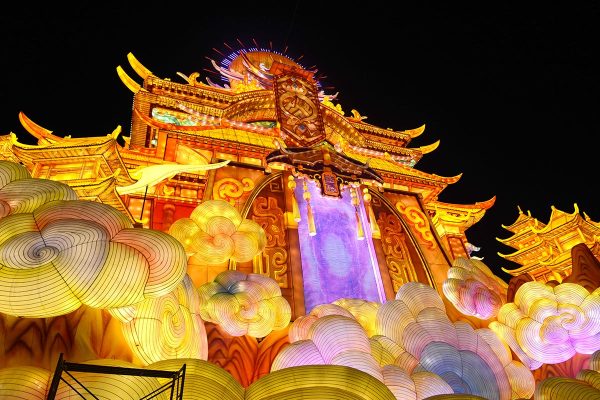
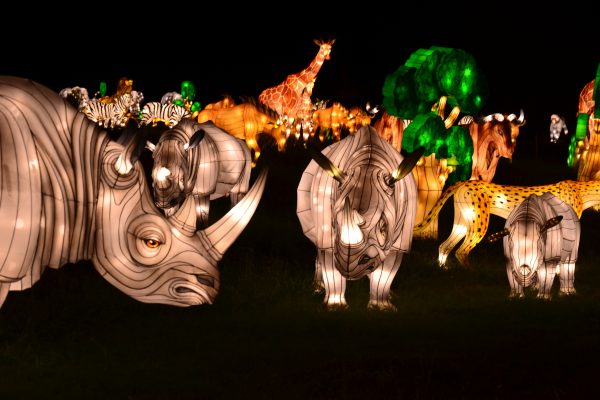
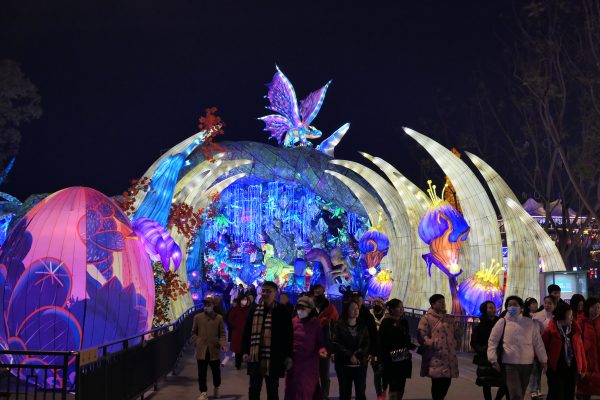
Every year, as the first full moon of the Lunar New Year rises, millions of lanterns are lit across China and around the world. It is a spectacle of breathtaking beauty — but few know the rich tapestry of history, legend, and cultural transformation that lies behind this luminous tradition.
The Chinese Lantern Festival (元宵节, Yuánxiāo Jié) is not merely a celebration of light. It is a festival that has evolved over two thousand years, absorbing influences from imperial courts, Buddhist monasteries, ancient agricultural rites, and folk legends. In this article, we trace the origins of the lantern festival through five remarkable stories — each revealing a different layer of this enduring tradition.
Today, the lantern festival has gone global. From Zigong — the historic birthplace of Chinese lantern art — artisans now create spectacular displays for venues across Europe, the Middle East, the Americas, and beyond. But every modern festival still carries echoes of these ancient origins.
1. The Tang Dynasty Golden Age: When Lanterns Became a National Spectacle
📜 Story 1 — The Kaiyuan Lantern Extravaganza
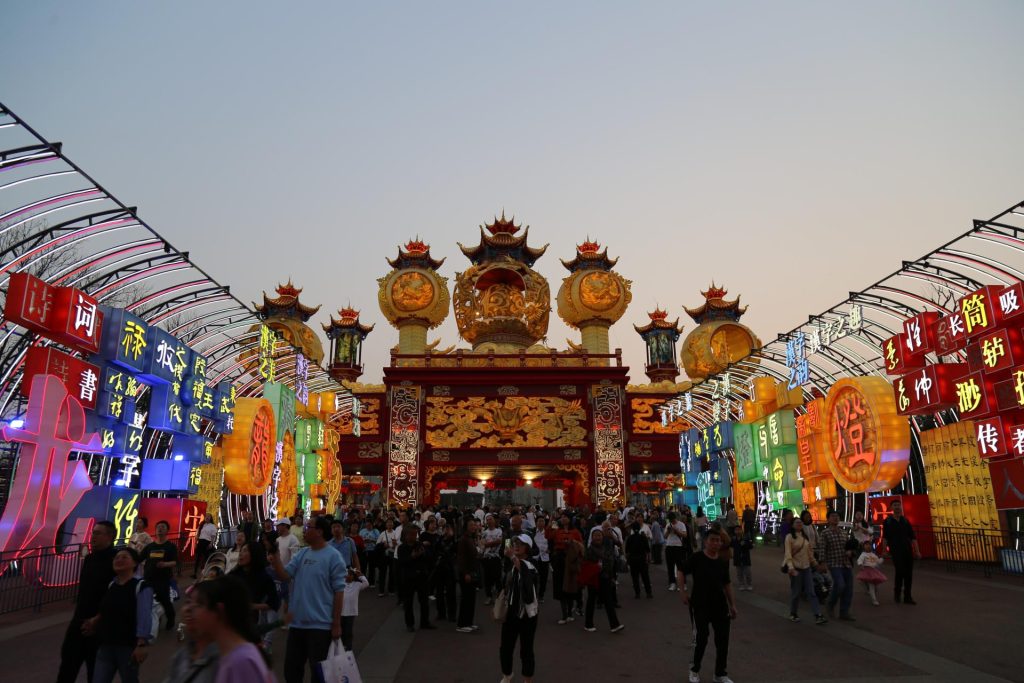
The custom of watching lanterns on the 15th day of the first lunar month reached its first golden age during the Tang Dynasty (618–907 AD). Under Emperor Xuanzong (玄宗, 685–762 AD), whose reign is remembered as the “Kaiyuan盛世” (Golden Age of Kaiyuan), the capital Chang’an (modern Xi’an) hosted lantern markets of unprecedented scale.
Historical records describe a staggering display of 50,000 lanterns of every imaginable design. The emperor himself commissioned a giant lantern tower — or “lantern building” (灯楼) — that was 150 feet tall and 20 rooms wide, adorned with gold and jewels, rising like a mountain of light above the city.
Under the Tang, the festival initially lasted three days — the 14th, 15th, and 16th of the first lunar month — during which the nightly curfew was lifted so citizens could freely enjoy the lanterns. The imperial court granted officials three days of leave, and the capital became a carnival of lights, music, and dance.
“The fire trees and silver flowers of the Lantern Festival night rival the stars themselves.” — Tang Dynasty poet describing the lantern market
What this teaches us: The lantern festival has always been about community, spectacle, and the joy of shared celebration. This same spirit lives on in modern Zigong lantern festivals, where cities around the world recreate the same sense of wonder.
2. The Han Dynasty Origins: From Imperial Ritual to Public Celebration
📜 Story 2 — Emperor Wu’s Sacred Lights
The earliest historical records of organized lantern lighting date back to the Han Dynasty (206 BC–220 AD). Emperor Han Wudi (汉武帝, 156–87 BC), one of China’s most powerful rulers, established a ceremony to honor the “Tai Yi” (太一) — the supreme deity of heaven — on the 15th day of the first lunar month. The ritual required lanterns to burn from dusk until dawn.
During the Han Dynasty, a strict nightly curfew was normally enforced throughout the empire. But on the Lantern Festival, the emperor made an exception: the curfew was lifted so that common people could join in the celebration. This was a revolutionary act — for one night, the rigid social order gave way to shared festivity.
Over subsequent dynasties, the festival grew longer:
- Tang Dynasty: 3 days (14th–16th)
- Song Dynasty: 5 days (14th–18th) — Emperor Taizu (赵匡胤) added two more days
- Ming Dynasty: 10 days (8th–18th) — Emperor Hongwu (朱元璋) declared a ten-day lantern extravaganza
- Qing Dynasty: 5 days (13th–17th) — shortened but still widely celebrated
The Southern Song Dynasty even offered free wine to lantern viewers — an early form of festival hospitality that would make any modern event planner smile.
What this teaches us: Lantern festivals have always been “open to all” — a tradition of inclusivity that modern event organizers continue to embrace.
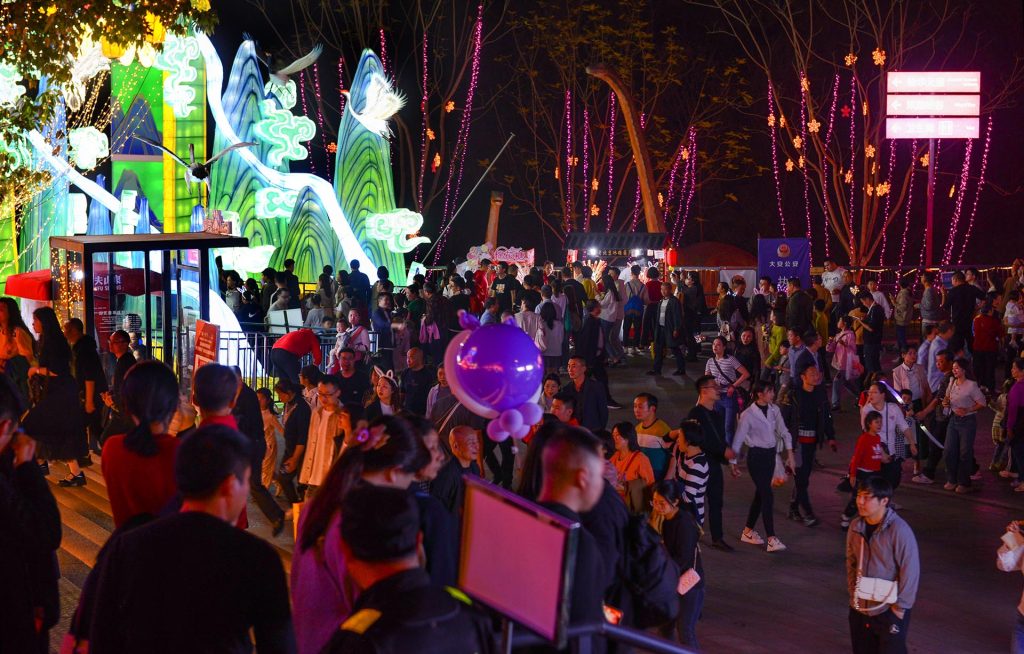
3. The Buddhist Connection: Lanterns in Service of Faith
📜 Story 3 — Emperor Ming’s Buddhist Lanterns
A third origin story traces the lantern festival to the spread of Buddhism in China. During the reign of Emperor Han Mingdi (汉明帝, 58–75 AD), the emperor dreamed of a golden figure flying before his palace — interpreted by his advisors as “the Buddha.” He sent envoys westward to India to learn more about Buddhism.
When the envoys returned — accompanied by Indian monks, carrying Buddhist sutras and relics — they reported that in India, monks gathered at temples on the 15th day of the first month to venerate the Buddha’s relics. Inspired, Emperor Mingdi ordered that lanterns be lit in the imperial palace and at all Buddhist temples on that night — a practice known as “burning lanterns to represent the Buddha” (燃灯表佛).
As Buddhism spread throughout China, so did the practice of lighting lanterns. When Taoism added its own layers of ritual and symbolism, the tradition became deeply woven into the fabric of Chinese religious and cultural life.
What this teaches us: The lantern festival was shaped by cultural exchange — a reminder that today’s global lantern festivals continue this tradition of cross-cultural dialogue.
4. The Torch Festival Theory: An Agricultural Rite
📜 Story 4 — Ancient Farmers and Their Torches
Some historians trace the Lantern Festival’s roots even deeper — to ancient agricultural torch ceremonies predating the imperial dynasties. In this theory, the festival began as a primitive rite in which farmers lit torches in their fields to drive away insects and pests, praying for a bountiful harvest in the coming year.
This practice may date back over 3,000 years, to China’s earliest agricultural communities. The 15th day of the first lunar month — the first full moon after the winter solstice — marked an important seasonal turning point: the return of spring and the beginning of the farming season.
Remarkably, this ancient tradition survives to this day in certain regions of Southwest China. In parts of Yunnan and Guizhou provinces, villagers still make torches from reeds and branches on the 15th day of the first lunar month, and parade through fields and village squares, dancing and chanting — a living link to the festival’s prehistoric origins.
What this teaches us: Light has been a symbol of hope, renewal, and protection since the dawn of civilization — a universal human instinct that the lantern festival continues to express.
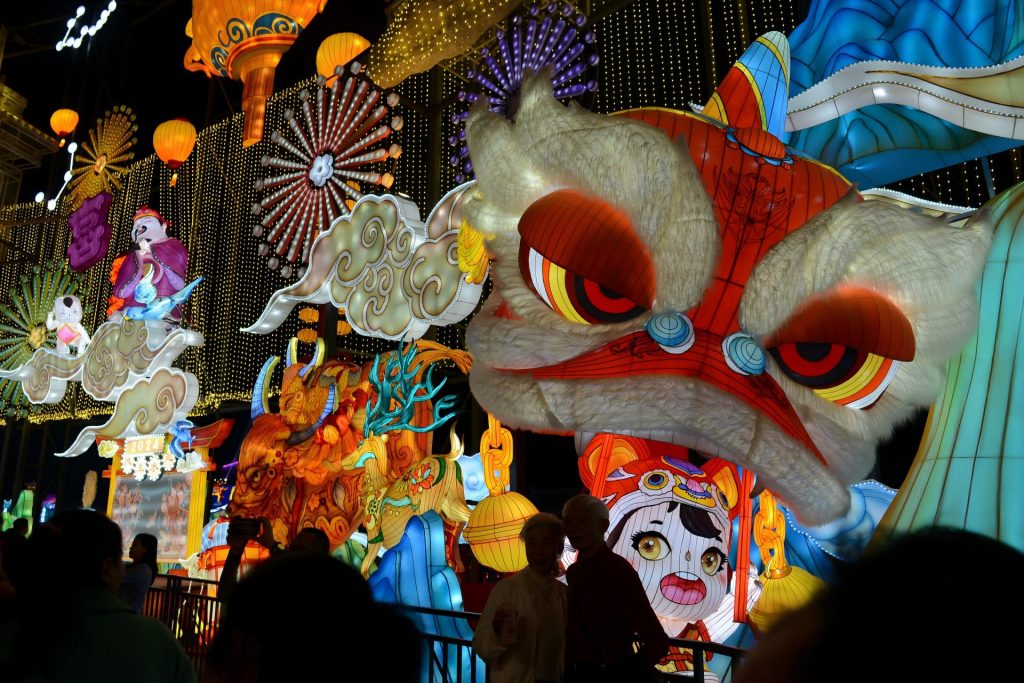
5. The Legend of Dongfang Shuo: A Tale of Love, Family, and Cleverness
📜 Story 5 — The Story of Yuanxiao and the Wise Advisor
Perhaps the most beloved folk legend surrounding the Lantern Festival is the story of Dongfang Shuo (东方朔) — the witty advisor to Emperor Han Wudi — and a palace maid named Yuanxiao (元宵).
The story goes that Yuanxiao, a young woman who had been serving in the imperial palace for years, missed her family terribly. One day, Dongfang Shuo found her weeping by a well and promised to help reunite her with her family.
Dongfang Shuo devised an ingenious plan. He set up a fortune-telling stall in the capital and deliberately gave every visitor the same ominous prophecy: “On the 16th day of the first month, fire will descend from heaven and consume the city.” Panic spread through the capital, and the citizens brought the prophecy before the emperor.
When the anxious emperor consulted Dongfang Shuo, the advisor said: “The Fire God loves eating tangyuan (sweet rice dumplings). Have the palace maid Yuanxiao prepare the finest tangyuan as an offering. Then order every household in the city to hang lanterns and set off fireworks on the 15th night — so the heavens will see ‘fire’ below and believe the city is already burning, sparing it from destruction.”
The emperor agreed. That night, the entire capital was illuminated with lanterns and fireworks. Yuanxiao’s family, who had been invited into the city to watch the lanterns, recognized her from the crowd — and the family was joyfully reunited.
From that day forward, the tradition of eating tangyuan and viewing lanterns on the 15th night became inseparable — and the festival was named “Yuanxiao” in honor of the palace maid.
What this teaches us: At its heart, the Lantern Festival is about reunion — of family, community, and humanity. This emotional resonance is what makes lantern festivals universally appealing, whether in China or abroad.
Timeline: 2,000 Years of Lantern Festival History
| Period | Key Development |
|---|---|
| Pre-Han (before 206 BC) | Agricultural torch ceremonies in spring |
| Han Dynasty (206 BC–220 AD) | Emperor Wudi’s Tai Yi ritual; curfew lifted for public lantern viewing |
| Tang Dynasty (618–907 AD) | First golden age; 50,000 lanterns; 150ft lantern tower |
| Song Dynasty (960–1279 AD) | Extended to 5 days; lantern riddles and opera added |
| Ming Dynasty (1368–1644 AD) | Peak: 10-day festival with grand markets |
| Qing Dynasty (1644–1912 AD) | 5-day continuation; folk celebrations remained strong |
| Modern Era (20th–21st century) | Zigong becomes world center of lantern art; festivals go global |
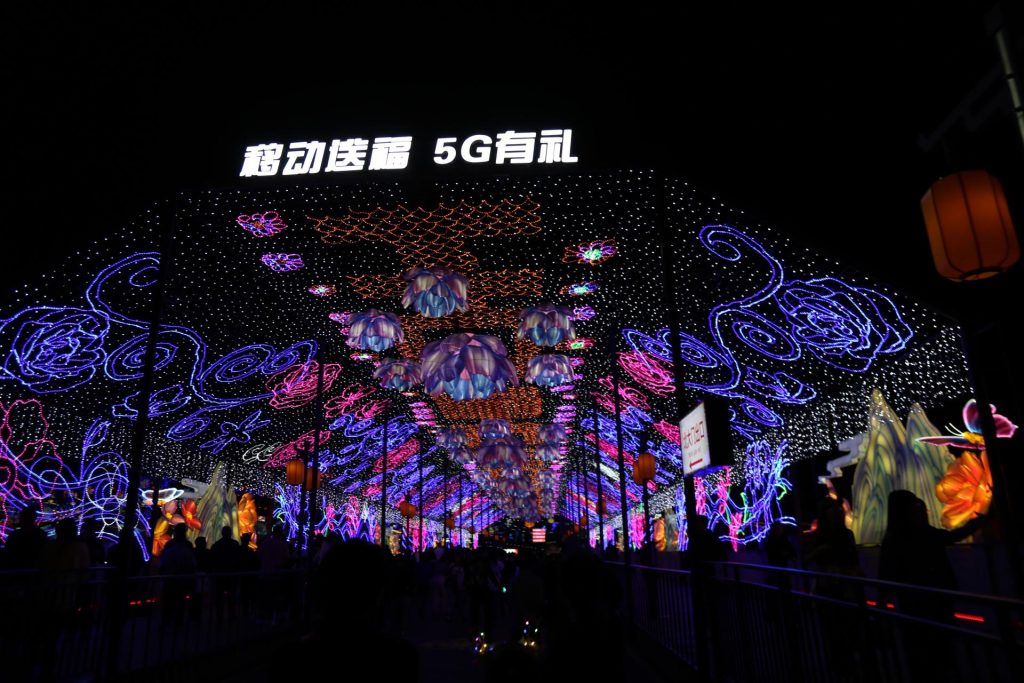
From Ancient Tradition to Global Phenomenon
What began as imperial rituals, Buddhist ceremonies, and agricultural torch rites has evolved into a global cultural phenomenon. Today, Zigong — a city in China’s Sichuan province — is recognized worldwide as the capital of lantern festival art. Zigong artisans have created lantern displays in over 50 countries, adapting traditional craftsmanship to local themes and cultures.
When you visit a modern lantern festival — whether in Paris, Dubai, New York, or São Paulo — you are experiencing a tradition that spans 2,000 years. The materials may have changed (from oil lamps to LED, from bamboo to metal and surface finish), but the essential spirit remains: light as a symbol of hope, reunion, and shared joy.
FestiveLanterns — Carrying forward 2,000 years of lantern tradition, one festival at a time.
Related Products & Resources
- Chinese Lantern Products — Browse our full range of custom lantern displays
- Animatronic Dinosaurs & Animals — Life-size custom exhibits for parks and museums
- More Guides & Articles — Festival planning, buying guides, and industry insights
- Get a Free Custom Proposal & Quote
Explore more: After learning the origins, explore these cultural lantern scenes: flower fairy Chinese lantern wallpaper · flying fairy lantern festival wallpaper · Sanxingdui bronze figure lantern wallpaper