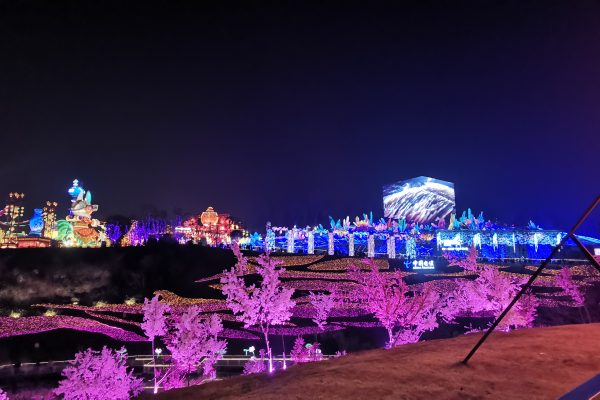
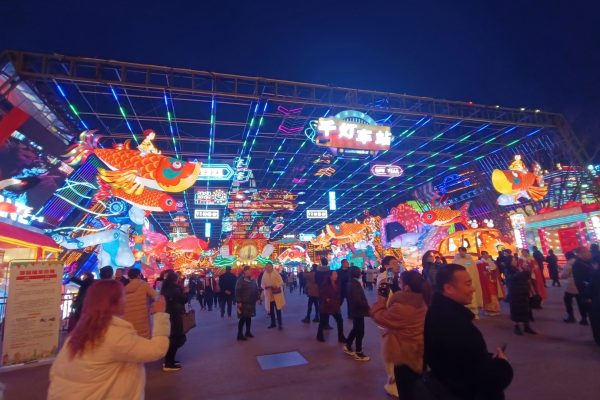
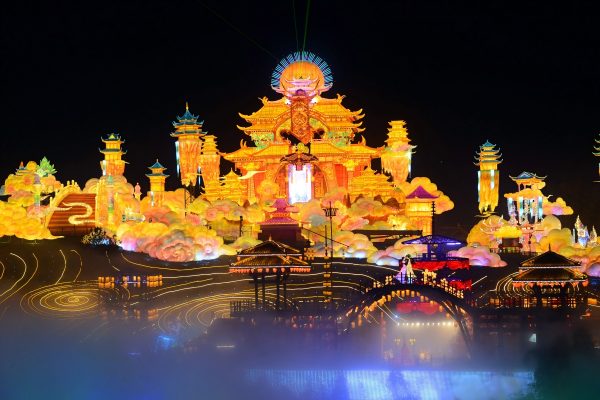
When you walk through a Chinese lantern festival, the first thing that strikes you is the color. The warm glow of red lanterns, the rich shimmer of gold, the peaceful purity of white — each color is deliberately chosen to convey a specific meaning rooted in thousands of years of Chinese culture and philosophy.
For event planners, zoo operators, and cultural venue managers planning a lantern display, understanding the meaning behind each color is essential. The right color choices reinforce your event’s theme, convey the intended mood, and respect the cultural traditions at the heart of the lantern festival experience.
This guide explains the meaning of each Chinese lantern color and offers practical advice on how to use them in your display.
The Foundation: Color in Chinese Philosophy
Chinese color symbolism is deeply rooted in the Five Elements theory (五行, Wǔ Xíng) — Wood, Fire, Earth, Metal, and Water. Each element is associated with a color, season, direction, and virtue:
| Element | Color | Season | Direction | Meaning |
|---|---|---|---|---|
| Wood (木) | Green | Spring | East | Growth, harmony |
| Fire (火) | Red | Summer | South | Passion, luck |
| Earth (土) | Yellow/Gold | Late Summer | Center | Stability, royalty |
| Metal (金) | White | Autumn | West | Purity, mourning |
| Water (水) | Black/Blue | Winter | North | Depth, wisdom |
These associations influence everything from traditional clothing to architectural decoration — and they directly inform the colors used in Chinese lanterns.
Red Lanterns — Luck, Prosperity, and Festivity
The most iconic Chinese lantern color.
Red is the most powerful and auspicious color in Chinese culture. It symbolizes:
- Good fortune and luck — Red wards off evil spirits and attracts positive energy
- Joy and celebration — Used for weddings, festivals, and New Year celebrations
- Prosperity and success — Businesses display red lanterns to attract wealth
- Vitality and life — Associated with fire and summer
When to use red lanterns:
| Occasion | Why Red Works |
|---|---|
| Chinese New Year | Auspicious start, warding off bad luck |
| Grand openings | Attracting success and prosperity |
| Wedding celebrations | Joy, union, and fertility symbolism |
| Cultural festivals | The most recognizable “Chinese” color |
| Any celebration | Universal positive message |
Practical tips:
- Red lanterns are the default choice for most lantern festivals and work in almost any context
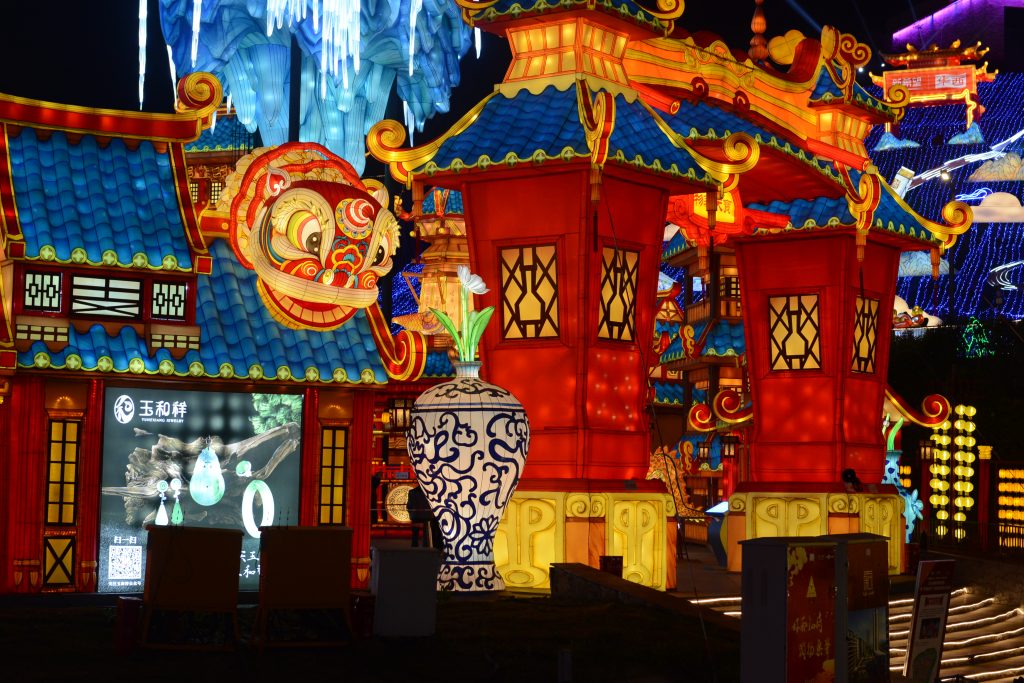
- Pair red with gold for maximum celebratory impact
- For Western audiences, red lanterns are instantly recognizable as “Chinese lanterns” — they create an immediate cultural association
Gold and Yellow Lanterns — Royalty, Wealth, and Power
Gold and yellow are closely related but have distinct meanings.
Historically, yellow was the exclusive color of the Chinese emperor. Only the imperial family could wear yellow robes or use yellow in palace decoration. While this restriction no longer applies, the association with royalty and supreme authority remains.
Gold symbolizes:
- Wealth and prosperity — Material abundance, commercial success
- Nobility and prestige — High status, refinement
- Imperial connection — Traditional authority
- The center of the universe — In Five Elements theory, yellow represents Earth, which sits at the center of all things
When to use gold/yellow lanterns:
| Occasion | Why Gold/Yellow Works |
|---|---|
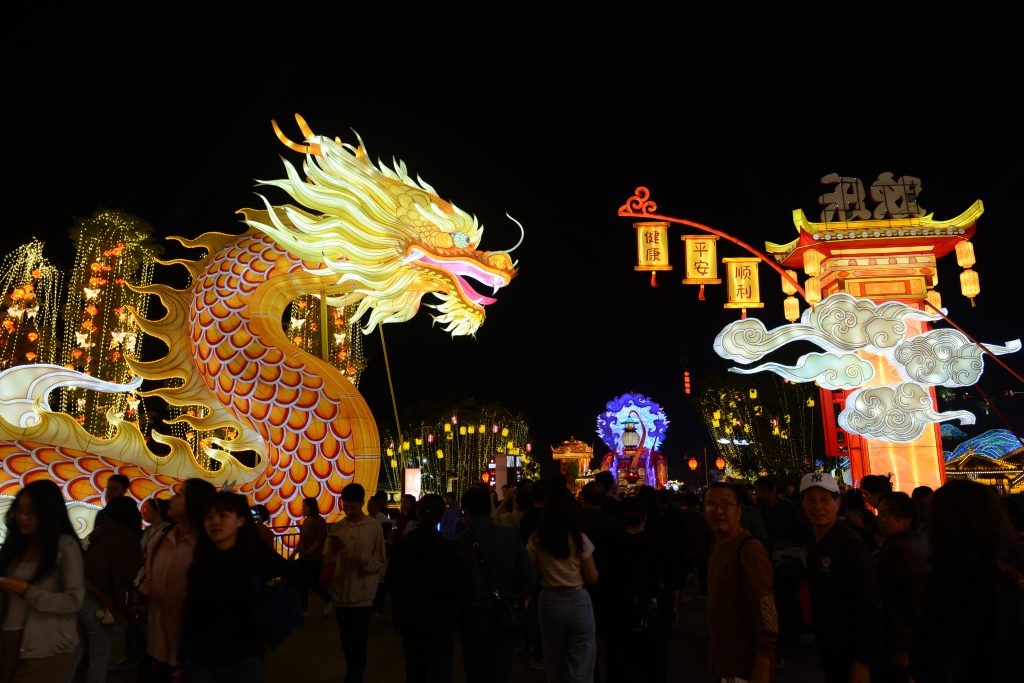
| Dragon displays | Dragons are often gold, symbolizing imperial power |
| Phoenix lanterns | Gold phoenix represents beauty and grace |
| Temple and religious events | Reverence and sacred atmosphere |
| Premium/exclusive events | Conveying high-end, luxury feel |
| Combined with red | The classic red-gold combination = maximum festivity |
Practical tips:
- Gold LED lighting creates a warm, luxurious glow
- Gold accents on red lanterns are a classic combination
- Avoid using yellow in contexts where it might be culturally insensitive (e.g., political events)
White Lanterns — Purity, Mourning, and the Moon
White is the most culturally complex lantern color.
In Chinese culture, white carries dual meanings that can be confusing for Western audiences:
Positive meanings:
- Purity and innocence — Like the full moon
- Autumn and the Mid-Autumn Festival — The moon’s color
- Elegance and simplicity — In modern contexts
- Metal element — Strength, precision, clarity
Traditional meanings:
- Mourning and death — White is the traditional color of Chinese funerals
- Old age — White hair symbolizes longevity, but also the end of life
When to use white lanterns:
| Occasion | Why White Works |
|---|---|
| Moon Festival / Mid-Autumn | Represents the full moon, pure and bright |
| Winter displays | Snow and ice associations |
| Modern minimalist events | Clean, elegant aesthetic |
| Autumn themes | Metal element, autumn season |
When to avoid white:
- Funerals or solemn occasions (unless intended for mourning displays)
- Events celebrating fortune or prosperity (white = no color, no luck)
- Major festive celebrations where red is expected
Practical tip: When using white lanterns for festive purposes, always pair them with warm-colored lighting (amber, gold, pink) to avoid creating a somber atmosphere.
Green Lanterns — Growth, Harmony, and Nature
Green represents the Wood element and is associated with spring and new beginnings.
Symbolism:
- Growth and renewal — New life, fresh starts
- Harmony and balance — Wood energy is steady and nourishing
- Health and vitality — Strong associations with nature
- Peace — Calming, restorative energy
When to use green lanterns:
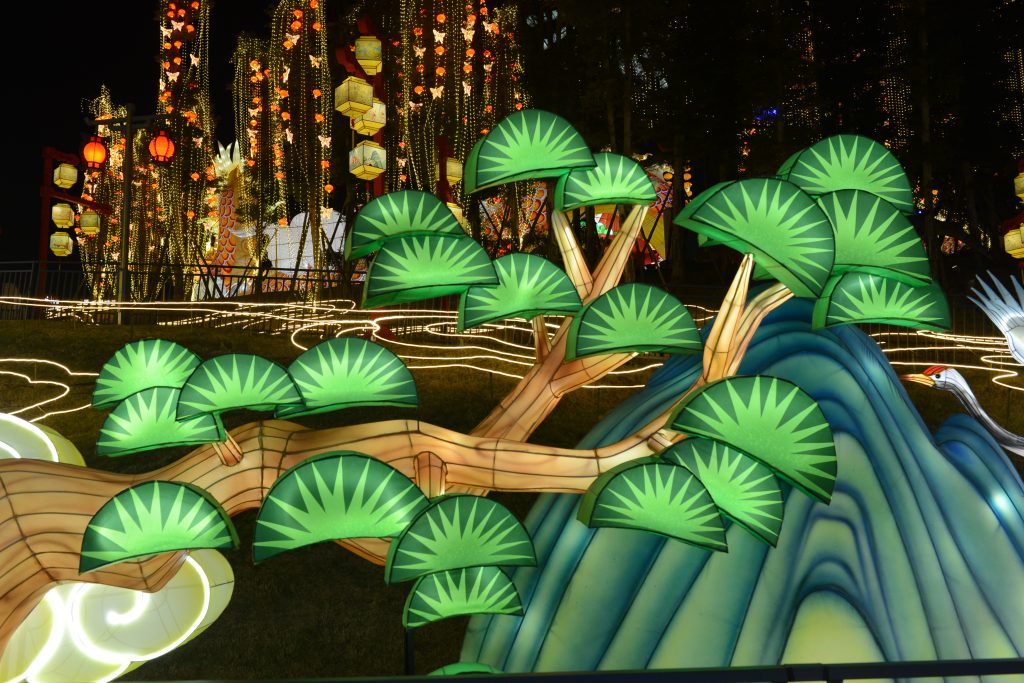
- Spring-themed events
- Botanical garden displays
- Nature and environmental themes
- Dragon lanterns (dragons are often associated with forests and mountains)
- Zoo light displays (natural habitat settings)
Practical tip: Green works beautifully as an accent color alongside red and gold. Too much green can feel cold — balance with warm tones.
Blue and Black Lanterns — Water, Wisdom, and Mystery
Blue and black share the Water element in Five Elements theory.
Blue symbolism:
- Depth and wisdom — Like the ocean
- Immortality — In Taoist traditions
- Healing and calm — Cooling, restful energy
- Winter — Water element’s season
Black symbolism:
- Power and authority — Strength, seriousness
- Water and depth — The deepest water appears black
- Knowledge and mystery — Hidden wisdom
When to use blue/black lanterns:
| Occasion | Lantern Color |
|---|---|
| Water-themed displays | Blue — oceans, rivers, waterfalls |
| Night sky effects | Blue/black — celestial backdrop |
| Ice and winter themes | Blue with white — frozen atmosphere |
| Mystery or fantasy themes | Black with subtle lighting |
| Dragon displays (water) | Blue dragons represent water/rain |
Practical tip: Blue lanterns look stunning at night, especially when combined with warm-colored accent lanterns. Black lanterns should be used sparingly in festive contexts.
Pink and Purple Lanterns — Romance and Spirituality
Pink and purple are less traditional but increasingly popular in modern displays.
Pink symbolism:
- Love and romance — Similar to Western associations
- Feminine beauty — Flowers, spring
- Gentle joy — Soft celebration
Purple symbolism:
- Spirituality and transcendence — In Taoist and Buddhist contexts
- Immortality — Rare and precious
- Creativity and artistry — Modern association
When to use pink/purple lanterns:
- Cherry blossom-themed displays (pink)
- Love and romance events (pink)
- Spiritual or meditative spaces (purple)
- Creative/artistic installations (purple)
Color Combinations Guide
The most successful lantern displays use intentional color combinations. Here are proven combinations used by professional festival designers:
Classic Combinations
| Combination | Effect | Best For |
|---|---|---|
| Red + Gold | Maximum festivity, luck, and celebration | Chinese New Year, grand openings |
| Red + White | Celebration + purity | Mid-Autumn Festival, moon themes |
| Gold + White | Elegance and refinement | Premium events, evening galas |
| Red + Green | Festive contrast | Spring events, botanical gardens |
| Blue + White | Cool, peaceful atmosphere | Winter themes, ice displays |
| Gold + Blue | Royal + wisdom | Imperial themes, cultural displays |
Seasonal Combinations
| Season | Recommended Palette | Mood |
|---|---|---|
| Spring | Green + Pink + Red | Growth, renewal, blossoms |
| Summer | Red + Gold + Orange | Energy, heat, vibrancy |
| Autumn | White + Gold + Amber | Harvest, moon, warmth |
| Winter | Blue + White + Silver | Ice, snow, tranquility |
Theme-Based Combinations
| Theme | Colors | Reason |
|---|---|---|
| Dragon display | Red + Gold + Green | Power, luck, nature |
| Phoenix display | Gold + Red + Pink | Beauty, grace, femininity |
| Ocean/water | Blue + White + Silver | Water element |
| Forest/nature | Green + Gold + Brown | Wood element, growth |
| Imperial/royal | Gold + Red + Purple | Authority, spirituality |
Color Meaning Summary Table
| Color | Primary Meaning | Best Occasion | Avoid |
|---|---|---|---|
| 🔴 Red | Luck, joy, prosperity | Celebrations, New Year | Mourning events |
| 🟡 Gold/Yellow | Wealth, royalty, power | Festivals, premium events | Political events |
| ⚪ White | Purity, moon, mourning | Mid-Autumn, autumn | Solemn occasions |
| 🟢 Green | Growth, harmony, nature | Spring, gardens | Winter events |
| 🔵 Blue | Wisdom, depth, calm | Water themes, winter | Hot climates |
| ⚫ Black | Power, mystery, depth | Night effects | Festive events |
| 🩷 Pink | Love, beauty, gentleness | Romance, spring | Formal events |
| 🟣 Purple | Spirituality, creativity | Cultural displays | Children’s events |
Conclusion
The colors of Chinese lanterns are far more than aesthetic choices — they carry deep cultural meaning informed by thousands of years of philosophy and tradition. By understanding these meanings, event planners can create displays that are not only visually stunning but also culturally resonant and emotionally impactful.
As a Zigong-based manufacturer with 14+ years of experience, FestiveLanterns works closely with clients to select the right color palette for each installation. Our design team understands both the traditional symbolism and modern applications of each color, helping you create the perfect atmosphere for your event.
Internal Links:
- Custom Chinese Lanterns — Complete Product Collection — Browse our full range of festival lantern displays in every color
- Chinese Lantern Festival Planning Guide — Complete event planning and sourcing resource
- Animal Lanterns Collection — Colorful animal-shaped lanterns for festivals and events
- How Zigong Became the World’s Lantern Capital — The history and craftsmanship behind Chinese festival lanterns
Colors are only half the story. Every element of a lantern — the animal, the motif, the pose — carries its own blessing. Read our complete guide to Chinese lantern festival symbolism to decode the full visual language before you commission your next display.
Related Products & Resources
- Chinese Lantern Products — Browse our full range of custom lantern displays
- Animatronic Dinosaurs & Animals — Life-size custom exhibits for parks and museums
- More Guides & Articles — Festival planning, buying guides, and industry insights
- Get a Free Custom Proposal & Quote
How to Choose Lantern Colors for Your Festival
Planning a lantern festival or event display? The color palette you choose shapes the entire atmosphere — red for celebration, gold for prosperity, blue for water themes. Our design team in Zigong can custom-match lantern colors to your event brand and cultural theme. Browse festival lanterns → or request a custom color palette design.
Complement your Chinese New Year display with a steampunk Chinese New Year zodiac rooster lantern for festivals and cultural events.