H1: How to Plan a Lantern Festival: A Complete Step-by-Step Checklist
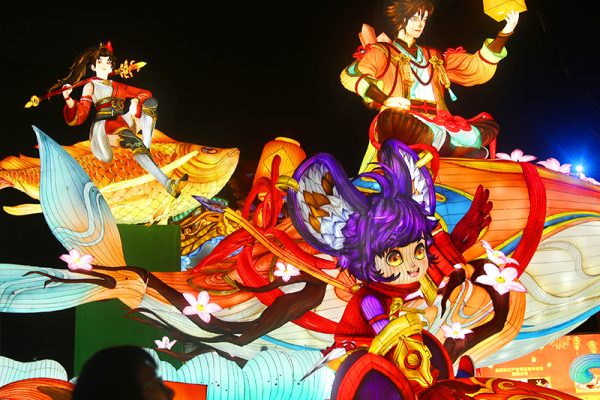
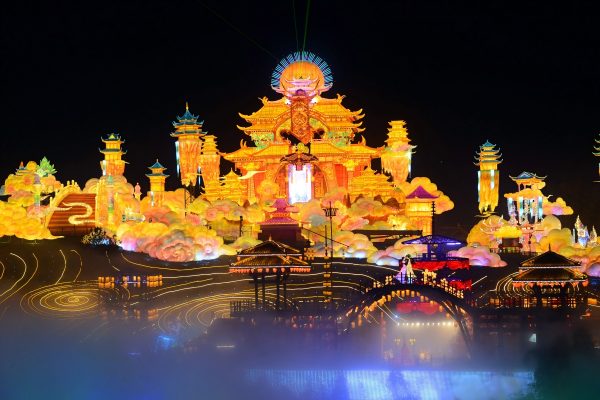
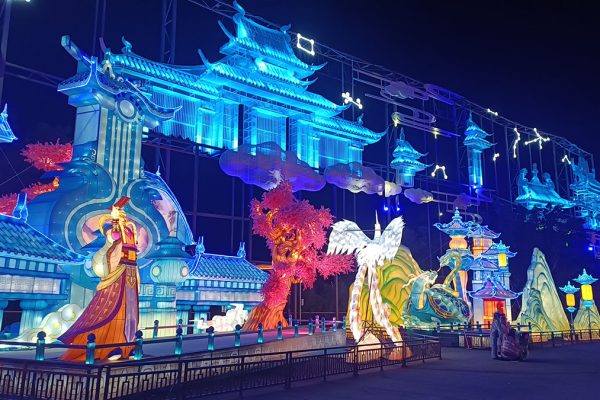
A professionally executed lantern festival can attract 100,000+ visitors over a 6-week run, generate millions in ticket and concession revenue, and become an annual tradition that defines your city’s winter identity.
But behind the glowing dragons and illuminated cherry blossoms lies a complex logistical operation involving design, manufacturing, international shipping, electrical engineering, crowd management, and marketing.
If you are reading this, you are probably asking: Where do I even start?
This lantern festival planning checklist is based on our experience delivering 500+ festival installations across 50+ countries. Whether you are a municipal cultural department, a zoo director, a theme park operator, or a shopping mall manager, these 12 steps will take you from initial concept to opening night — without the expensive mistakes that derail first-time organizers.
The Big Picture: Timeline Overview
Before diving into details, understand the typical production cycle:
| Phase | Timeline | Key Activities |
|---|---|---|
| Phase 1: Concept & Budget | Months -6 to -5 | Theme selection, site survey, budget approval |
| Phase 2: Design & Procurement | Months -5 to -3 | 3D design, vendor selection, contract signing |
| Phase 3: Production | Months -3 to -1 | Manufacturing in Zigong, China |
| Phase 4: Shipping & Customs | Weeks -4 to -2 | Ocean freight, customs clearance |
| Phase 5: Installation | Weeks -2 to -1 | On-site setup, electrical, testing |
| Phase 6: Operations | Opening night + run | Ticketing, staffing, maintenance, marketing |
Total lead time: 4 to 6 months for a medium-size festival (50-100 lantern groups). Large festivals (200+ groups) require 8-12 months.
Step 1: Define Your Vision and Theme
Every successful lantern festival starts with a clear creative vision.
Questions to Answer
- What is the emotional experience? Wonder? Nostalgia? Adventure? Romance?
- What is the cultural anchor? Traditional Chinese lanterns? Zoo animals? Holiday narratives? IP collaborations?
- Who is the audience? Families with young children? Young adults for Instagram moments? Multigenerational community events?
Popular Theme Categories
| Theme Type | Examples | Best For |
|---|---|---|
| Traditional Chinese | Dragons, phoenixes, zodiac animals, mythological scenes | Cultural centers, Chinese New Year celebrations |
| Nature & Wildlife | Forest scenes, ocean worlds, African savanna, dinosaurs | Zoos, botanical gardens, parks |
| Holiday & Seasonal | Christmas, Halloween, Valentine’s Day, Mid-Autumn Festival | Shopping malls, city centers |
| Fantasy & IP | Fairy tales, space exploration, underwater kingdoms | Theme parks, family entertainment centers |
| Local Heritage | City landmarks, regional folklore, historical events | Municipal festivals, tourism boards |
Pro tip: If this is your first festival, choose a theme with broad appeal rather than niche artistic expression. A “Dinosaur & Dragon Wonderland” attracts wider audiences than “Tang Dynasty Poetry in Light.”
Step 2: Select and Survey Your Venue
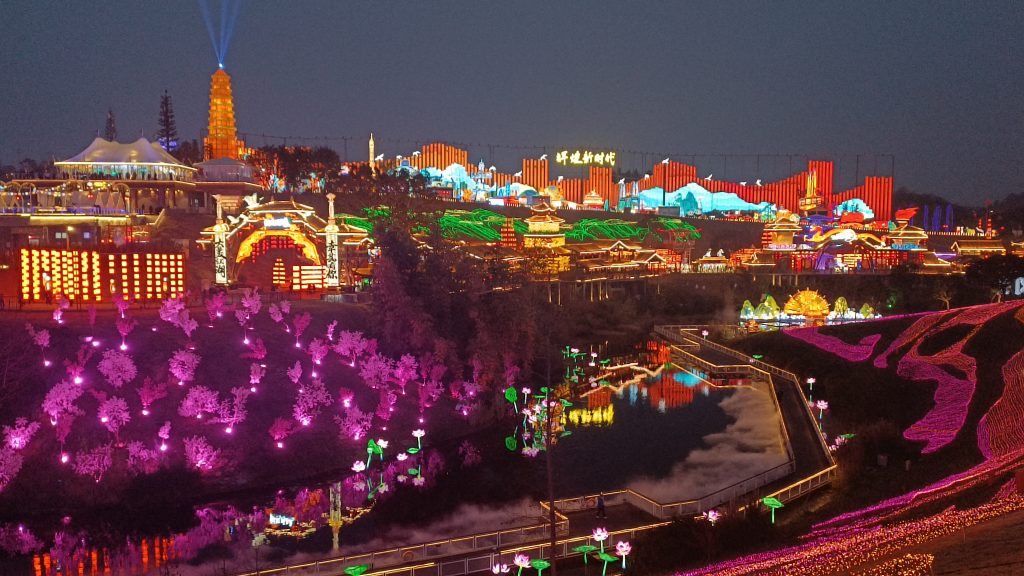
The venue determines everything: capacity, layout, electrical requirements, and permit complexity.
Site Survey Checklist
- [ ] Total area (square meters / acres)
- [ ] Pathway width — Can two strollers pass each other? Minimum 3m recommended.
- [ ] Surface type — Grass, pavement, gravel? Affects anchoring methods.
- [ ] Electrical capacity — Existing outlets, available amperage, need for generators
- [ ] Water exposure — Ponds, fountains, rain runoff? Affects IP ratings.
- [ ] Parking availability — Rule of thumb: 1 parking space per 3-4 expected visitors
- [ ] Entrance/exit flow — Separate ingress and egress prevent dangerous bottlenecks
- [ ] Emergency vehicle access — Fire trucks and ambulances need 4m clear paths
- [ ] Storage area — For spare bulbs, tools, and maintenance equipment
Indoor vs. Outdoor Considerations
| Factor | Outdoor | Indoor |
|---|---|---|
| Weather risk | Rain, wind, snow require weather sealing | Climate-controlled, lower risk |
| Space flexibility | Unlimited scale potential | Constrained by ceiling height and columns |
| Seasonality | Typically winter (Nov-Feb) | Year-round possible |
| Permits | More complex (fire, crowd, noise) | Simpler, venue handles many |
| Capacity | 5,000-50,000+ visitors/night | 500-5,000 visitors/night |
Step 3: Set Your Budget
Lantern festival budgets vary dramatically based on scale, but here is a realistic framework:
Budget Breakdown by Category
| Category | % of Total | Notes |
|---|---|---|
| Lantern fabrication | 40-50% | The single largest line item |
| Shipping & customs | 10-15% | Ocean freight from China + import duties |
| Installation labor | 10-15% | Local crew + specialized technicians |
| Electrical infrastructure | 8-12% | Cables, distribution boxes, generators |
| Marketing & ticketing | 5-10% | Social media, print, billboard, ticketing platform |
| Operations staffing | 5-8% | Security, maintenance, guest services |
| Permits & insurance | 2-5% | Fire, crowd, liability coverage |
| Contingency | 5-10% | Always reserve for surprises |
Revenue Modeling
Estimate attendance conservatively. A well-marketed lantern festival in a city of 500,000 people typically draws:
- First year: 30,000-60,000 total attendance
- Second year: 60,000-120,000 (word-of-mouth effect)
- Established annual event: 150,000-300,000+
At $15-25 per adult ticket, a 60,000-visitor festival generates $900,000-$1,500,000 in gross ticket revenue. Concessions (food, merchandise, parking) typically add another 30-40%.
Step 4: Choose Your Lantern Supplier
This is the most critical vendor decision you will make. The supplier determines quality, reliability, and whether your festival actually looks like the renderings you approved.
Types of Suppliers
| Supplier Type | Pros | Cons | Best For |
|---|---|---|---|
| Zigong direct manufacturer | Lowest cost, full customization, deepest expertise | Longer lead times, language barriers, need import expertise | Large festivals, custom designs, recurring events |
| Local event contractor | Easier communication, handles permits | Higher cost, limited lantern expertise, often subcontract to China anyway | Small festivals, first-time organizers |
| Turnkey festival company | Handles everything from design to teardown | Highest cost, less creative control | Municipal clients with large budgets |
Evaluation Criteria
Ask every supplier:
- “How many festivals have you delivered in the past 24 months?”
- “Can I see photos and videos of your actual installations — not just renderings?”
- “Do you handle shipping, customs, and on-site installation, or do I need separate contractors?”
- “What is your support and replacement policy for damaged lanterns?”
- “Can you provide client references in my country or region?”
- “What is your production capacity per month?” (Avoid overbooked factories)
Our recommendation: If your festival exceeds 30 lantern groups, work directly with a Zigong manufacturer. The cost savings (typically 30-50% versus local contractors) more than offset the coordination complexity — especially if the manufacturer offers turnkey services including design, shipping, and installation.
Step 5: Finalize Designs and Sign Contracts
Once you have selected a supplier, the design phase begins.
Design Process Timeline
| Week | Activity | Your Role |
|---|---|---|
| 1 | Submit theme brief, reference images, site plan | Provide clear direction |
| 2-3 | Concept sketches and 3D renderings | Review and approve |
| 4 | Final design package with exact dimensions, colors, animation plans | Sign off |
| 5 | Engineering review (structural, electrical, wind load) | Review safety report |
Contract Must-Haves
- Exact lantern list with dimensions, materials, and animation descriptions
- Production timeline with milestone dates
- Shipping terms (Incoterm: FOB, CIF, or DDP)
- Installation scope (who provides labor, tools, cranes)
- Payment schedule (typically 30% deposit, 60% before shipping, 10% after installation)
- Support period (minimum 12 months on electrical components)
- Force majeure clause (what happens if shipping is delayed)
Step 6: Handle Logistics and Shipping
This is where many first-time organizers underestimate complexity.
Shipping Modes
| Mode | Transit Time | Cost | Best For |
|---|---|---|---|
| Ocean freight (FCL) | 25-40 days | Lowest | Large festivals (full container) |
| Ocean freight (LCL) | 30-50 days | Medium | Small festivals (shared container) |
| Air freight | 5-10 days | Highest | Emergency replacements |
Customs Documentation
Your supplier should provide:
- Commercial invoice
- Packing list
- Certificate of origin
- Material safety data sheets (for flame-retardant fabrics)
- CE or UL certification (if required by your country)
Hire a customs broker if your supplier does not include customs clearance in their scope. Delays at port can cost thousands in demurrage fees.
Step 7: Prepare the Site for Installation
Before lanterns arrive, your site must be ready.
Pre-Installation Checklist
- [ ] Electrical distribution plan approved by licensed electrician
- [ ] Generator rental confirmed (if grid power insufficient)
- [ ] Concrete pads poured for large lantern foundations (if required)
- [ ] Perimeter fencing installed
- [ ] Staff break room and storage containers on-site
- [ ] Security team briefed on access control
- [ ] Weather contingency plan (high wind, rain protocols)
Safety Requirements
- All electrical connections must be GFCI-protected
- Fire extinguishers every 30 meters
- Emergency lighting along exit paths
- Maximum occupancy signage at entrance
- Nightly shutdown procedures documented
Step 8: Install and Test
Installation typically takes 2-5 days depending on festival size.
Daily Installation Workflow
| Day | Activity |
|---|---|
| Day 1 | Unpack containers, inventory check, large foundation pieces |
| Day 2 | Assemble major structures, install electrical backbone |
| Day 3 | Mount lanterns, connect lighting and animation systems |
| Day 4 | Programming, testing, adjustments |
| Day 5 | Final inspection, soft opening for staff and media |
Testing Checklist
- [ ] Every lantern illuminates correctly
- [ ] All animations run smoothly without mechanical noise
- [ ] Audio systems synchronized (if applicable)
- [ ] Electrical load balanced across circuits
- [ ] Ground fault protection tested
- [ ] Emergency shutdown procedures rehearsed with staff
Step 9: Launch Your Marketing Campaign
Do not wait until installation is complete to start marketing. Begin 8-12 weeks before opening night.
Marketing Timeline
| Weeks Before | Action |
|---|---|
| 12 | Announce festival dates, launch landing page, begin email list |
| 10 | Release “behind the scenes” content (design sketches, manufacturing photos) |
| 8 | Early bird ticket sales, influencer outreach |
| 6 | Local media press releases, billboard campaigns |
| 4 | Social media advertising ramp-up, contest giveaways |
| 2 | Final push: “Opening in 14 days” countdown content |
| 1 | Media preview night, influencer visits, user-generated content campaign |
Content That Converts
- Time-lapse videos of installation (highly shareable)
- Drone footage of the illuminated festival from above
- Family photo opportunities (designate Instagram-worthy spots)
- Local angle: “[Your City]’s first authentic Chinese lantern festival“
Step 10: Operate the Festival
Opening night is not the finish line — it is the starting line.
Daily Operations Checklist
Before gates open:
- [ ] Walk every pathway, check for trip hazards
- [ ] Test all lanterns and animations
- [ ] Verify ticket scanners and POS systems
- [ ] Brief security and guest services teams
During operation:
- [ ] Monitor crowd density (use click counters or camera analytics)
- [ ] Patrol for damaged lanterns or electrical issues
- [ ] Manage parking and shuttle operations
- [ ] Post real-time updates to social media
After closing:
- [ ] Nightly shutdown sequence (reduce power, secure entrances)
- [ ] Repair any damage before next opening
- [ ] Collect and review guest feedback
Step 11: Plan for Weather and Emergencies
Outdoor festivals face real risks. Preparation prevents disasters.
Weather Thresholds
| Condition | Action |
|---|---|
| Sustained winds > 40 km/h | Close large exposed lanterns, evacuate if necessary |
| Heavy rain | Cover electrical distribution, inspect ground stability |
| Snow / ice | Apply pathway de-icer, increase lighting, add staff for slip prevention |
| Extreme cold (< -15°C) | Start generators early, check bulb performance |
Emergency Protocols
- Designate an incident commander with authority to close the festival
- Maintain direct radio contact with local fire and police departments
- Pre-position first aid stations every 100 meters
- Train staff on crowd surge management
Step 12: Close, Evaluate, and Plan Next Year
The final night is your best learning opportunity.
Post-Festival Checklist
- [ ] Deinstallation: Reverse installation process. Reputable suppliers will buy back or store lanterns for next year.
- [ ] Financial reconciliation: Compare actual revenue and costs versus budget
- [ ] Attendance analysis: Which nights sold out? Which were slow? Why?
- [ ] Guest feedback: Survey visitors — what did they love? What was missing?
- [ ] Staff debrief: What operational issues arose? How can they be prevented?
- [ ] Photo/video archive: Document everything for next year’s marketing
- [ ] Supplier review: Rate your vendor on quality, timeliness, and communication
Multi-Year Planning
If your festival succeeds, begin next year’s planning within 30 days of closing. The best annual events lock in their dates, venues, and suppliers 10-12 months in advance.
Frequently Asked Questions
Q1: How far in advance should I start planning a lantern festival?
A: Minimum 4 months for small festivals (under 30 lantern groups). Medium festivals (50-100 groups) need 6 months. Large-scale events (200+ groups) require 8-12 months of lead time. Starting earlier gives you better supplier availability and lower shipping costs.
Q2: Can I reuse lanterns from one year to the next?
A: Yes, with proper storage and maintenance. High-quality handcrafted lanterns can last 3-5 years if stored in climate-controlled conditions between seasons. LED systems may need component upgrades after 2-3 years. We offer storage and refurbishment services for recurring clients.
Q3: Do I need special permits for a lantern festival?
A: Almost certainly yes. Typical permits include: special event permits, fire department approval, electrical inspection, food vendor licenses (if applicable), noise permits, and temporary occupancy permits. Start permit applications 3-4 months before your event. A turnkey supplier familiar with your country can often guide you through this process.
Q4: What happens if a lantern is damaged during shipping or installation?
A: Reputable suppliers include spare materials (extra silk, bulbs, wire) in every shipment. Minor damage can usually be repaired on-site by the installation team. For major damage, suppliers should provide replacement units or partial refunds per your contract terms. Always inspect containers upon arrival and document any damage with photos before signing the delivery receipt.
Q5: Can lantern festivals operate in rain or snow?
A: Yes, if the lanterns are built with outdoor specifications. All electrical components should be outdoor-rated-rated or higher. Frames must be weatherproof metal (not iron) to resist rust. Silk should be treated with water-repellent coating. We design all outdoor lanterns to operate in rain, snow, and temperatures from -20°C to +60°C.
Q6: How do I choose between Chinese lanterns and LED light sculptures?
A: Traditional Chinese lanterns use silk stretched over wire frames with internal incandescent or LED bulbs. They offer authentic cultural aesthetic and are surprisingly durable. Modern LED sculptures use metal frames with attached LED strings. They are brighter and more programmable but can look “techy” rather than artistic. Most successful festivals combine both: traditional lanterns for cultural zones, LED sculptures for modern interactive areas.
Related Resources
- How Zigong Became the World’s Lantern Capital — Understand the 800-year heritage behind your festival
- Zoo Lights Festival Displays — See how zoos transform with illuminated animal lanterns
- How Much Does an Animatronic Dinosaur Cost? — Budgeting guide if you are adding dinosaur exhibits
- Animatronic Dinosaur Buying Guide — Expert tips on selecting the right animatronic exhibits for your venue
- Download Product Catalog 2026 — Explore our full range of lanterns and animatronic dinosaurs
Last updated: June 2026. Planning timelines and requirements vary by jurisdiction. Consult local authorities for permit specifics. Contact us for a free festival planning consultation.
Related Reading
- Chinese Lantern Festival: The Ultimate Planning & Sourcing Guide
- Explore Our Turnkey Festival Solutions
Related Products
- Intangible Heritage Chinese Dragon — Cultural heritage dragon lantern — 202-metre group display
- Dragon Bridge Water Lantern — Water-scene dragon bridge installation for parks
- Giant Chinese Qilin Lantern — Mythical beast centrepiece for festival grounds
- Blessing Culture Lantern — Traditional blessing lantern for festival celebrations
More Planning Resources