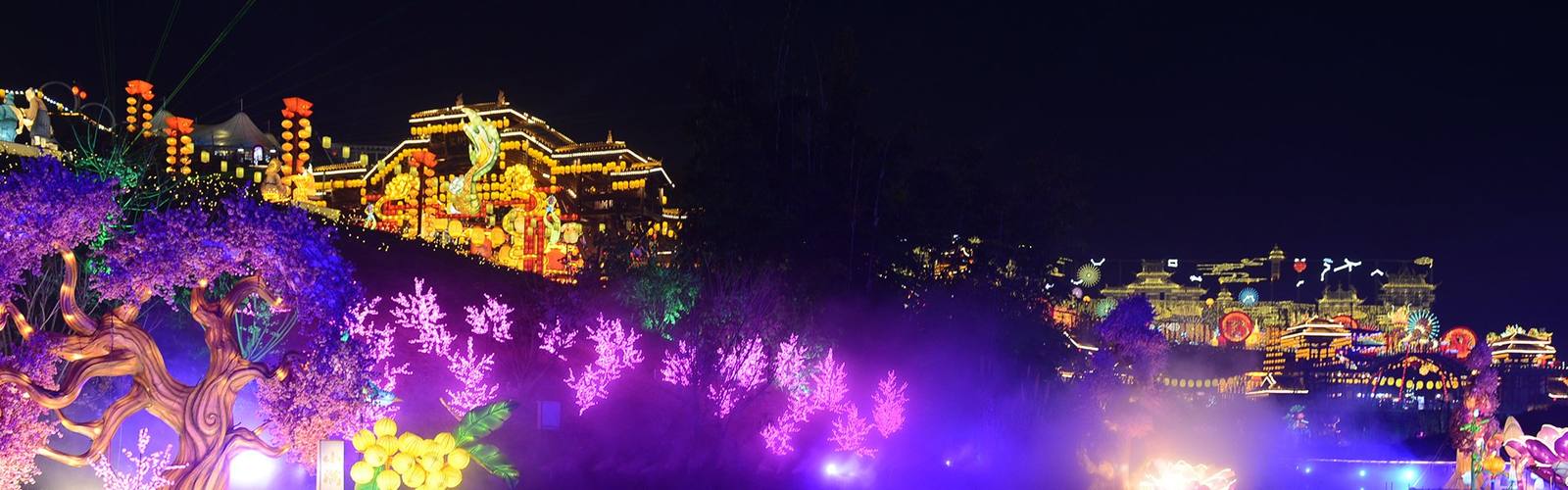
Most first-time zoo lights programmes do not fail on design. They fail on timing. The lanterns are beautiful, the route looks right on paper, and then the containers are still at sea two weeks before the gates are due to open.
This guide lays out a realistic month-by-month timeline for a zoo lights festival, with the dates that European operators in particular need to work backwards from. If you are weighing up what a programme actually involves, our zoo lights programme page covers the components; this article is about when each piece has to happen.
Why the timeline shapes the whole event
A lantern festival is a fixed-date event. Unlike a permanent exhibit, you cannot slip the opening by three weeks if production runs long — the tickets are already sold and the season has already started. That single constraint drives everything else.
Three stages catch operators out more than any others:
- Internal sign-off. Theme and route approval usually needs several departments — operations, finance, animal welfare, marketing — and each one adds weeks.
- Shipping windows. Sea freight runs to fixed schedules, and capacity tightens badly in the autumn peak.
- Night testing. Lighting can only be programmed and checked after dark, which limits how many useful working hours you get each day.
Start with the dates you cannot move
Before any design conversation, pin down the immovable dates:
- Opening night and closing night
- Daily operating window (many zoos run the lights from late afternoon rather than after full dark, which changes the lighting programme)
- School holiday periods and public holidays you want to cover
- Any dates the site is unavailable — maintenance closures, animal welfare quiet periods, other events on the calendar
Once opening night is fixed, everything else in this article works backwards from it.
The European winter season: what you are really planning for
For European zoos and wildlife parks, the lights season typically runs from mid-November to early January, sometimes extending into February during school holidays. That window is short and non-negotiable — it exists to capture the Christmas and New Year audience.
Working backwards from a mid-November opening, a realistic schedule looks like this:
- Mid-November — opening night
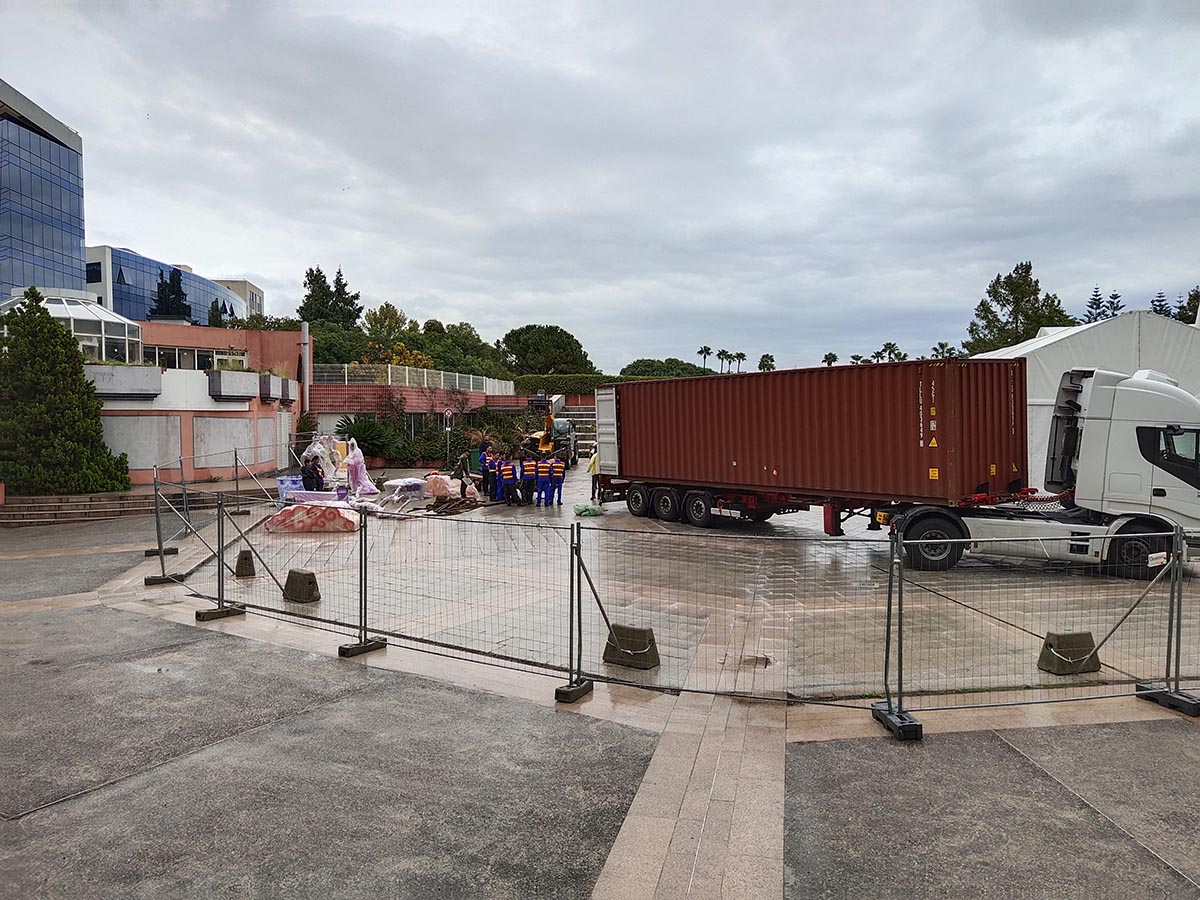
- Early October — containers cleared and on site, installation begins
- Late August to early September — shipment departs
- May to July — production
- March to April — design freeze
- January to February — theme, route, and internal sign-off
In other words, a zoo lights programme opening in November needs to start being planned in the January of the same year. Operators who come to us in July for a November opening are usually choosing between a compressed production slot and a reduced scope — both workable, but both are compromises that an earlier start would have avoided.
Nine months out: theme, route, and internal sign-off
This is the stage that quietly consumes the most calendar time. You are not designing lanterns yet; you are getting agreement on:
- The story or theme of the trail
- The visitor route, including which enclosures stay open after dark
- Where the photo stops sit (these drive social media reach more than anything else on the trail)
- Which areas need to stay dark for animal welfare reasons
A practical tip: take a route sketch and a theme direction through internal approval first. Do not wait for finished renders — if the route itself gets rejected after three months of design work, the design work is wasted.
Six months out: design freeze and 3D renders
Once the route and theme are approved, the detailed design follows: individual lantern pieces, animatronic focal points, colour palettes, and the lighting programme. You will receive 3D renders, which serve two purposes — final internal alignment, and early marketing material for ticket sales.
Design freeze matters because it is the point after which changes start to cost you schedule rather than just money. A change in June is a drawing change. The same change in August is a shipping problem.
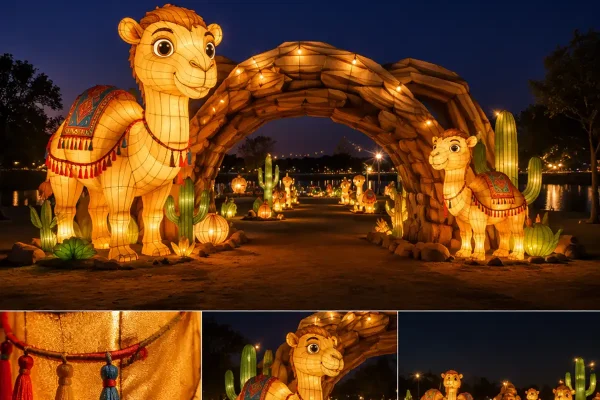
At this stage it is also worth deciding which pieces will be animal lanterns built for your site specifically, and which will be drawn from existing designs that can be adapted — the latter move considerably faster.
Four months out: production and the shipping window
With the design frozen, production begins. Alongside it, the shipping slot needs to be booked — not left until the lanterns are finished.
Two things are worth planning around here:
- Autumn capacity. September and October are peak months for Asia–Europe freight. Booking early is materially easier than booking late.
- Customs documentation. Electrical goods and oversized fabricated items need correct paperwork. Sorting this while the containers are still in production avoids dwell time at the port.
If your site has restrictions on delivery vehicle size or delivery hours, raise them now rather than in the delivery week.
Six weeks out: site preparation and power
While the shipment is at sea, your team prepares the site. This work is yours, not the supplier’s, and it is where a lot of programmes lose time:
- Power distribution to each zone, with the load calculated for the full lighting programme
- Ground conditions — bases, ballast, or fixing points, depending on whether the route crosses grass, tarmac, or boardwalk
- Drainage and cable routing for a route that will be walked in winter weather
- Barrier and wayfinding positions so the visitor flow matches the designed route
Two weeks out: installation, night test, and staff briefing
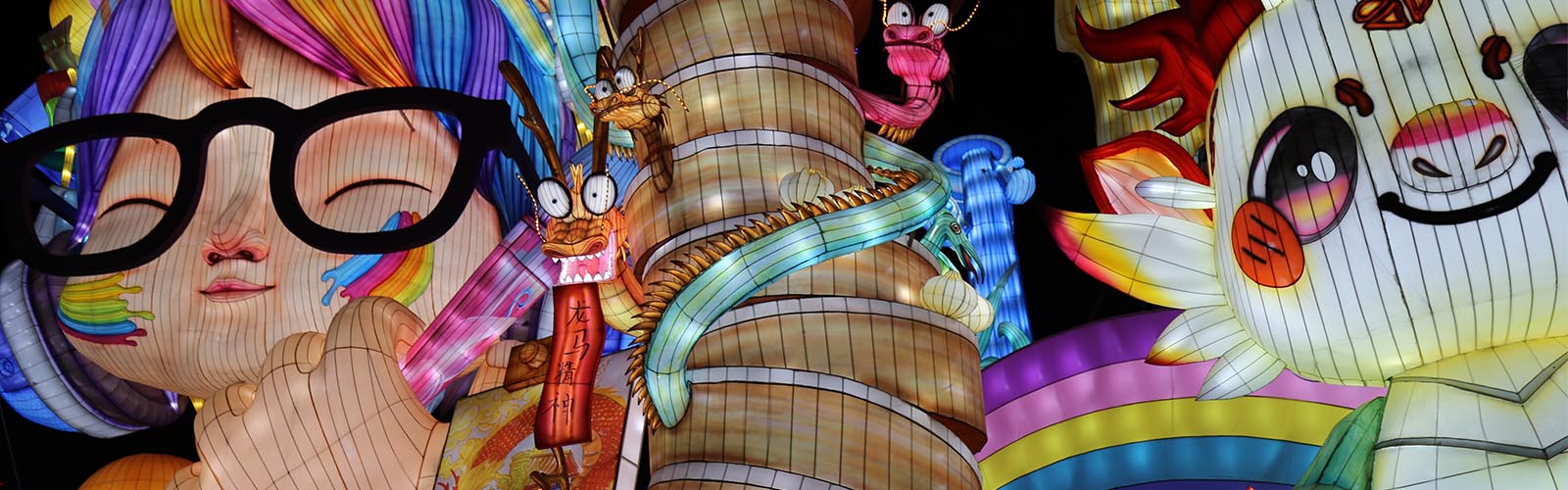
Installation is the visible part of the programme and generally takes two to three weeks depending on trail length. Once the pieces are standing, the work moves to lighting.
Night testing is not optional and cannot be compressed. Each scene is programmed and walked after dark, adjusted, and walked again. Budget several nights for this, not one.
Before opening, your team should be briefed on the daily open and close routine, the lighting scenes, and the basic checks that catch a fault before visitors do.
Opening night and the daily routine
Opening night is largely a rehearsal that has already happened: the route has been walked, the lighting has been programmed, and the staff know the routine. The most common opening-night issue is not technical — it is visitor flow bunching at the first photo stop. Positioning staff at the known pinch points solves most of it.
Running a second season with stored lanterns
The first season carries the design and production load. A second season is a different project: the pieces exist, so the timeline compresses around storage, inspection, and re-layout rather than fabrication.
Practically, that means a second season can be planned on a much shorter runway — but two things still need the full lead time: any new pieces you want to add, and the shipping slot. Operators who treat season two as a pure logistics exercise and forget the freight window tend to hit the same wall as season one.
Where to start if you are reading this in the spring
If your target opening is eight to ten months away, you are in the strongest position: the route and theme can be properly consulted on, the design can be frozen without pressure, and the shipping slot can be booked before the autumn peak.
If you are reading this later than that, it is still possible — the scope simply needs to be set against the calendar rather than the other way round. The earlier the conversation starts, the more of the trail you get to choose rather than compromise on.
See how a full programme is structured on our zoo lights page, look at what goes into custom lantern design, or browse the wider Chinese lantern festival formats that sit behind most trails.