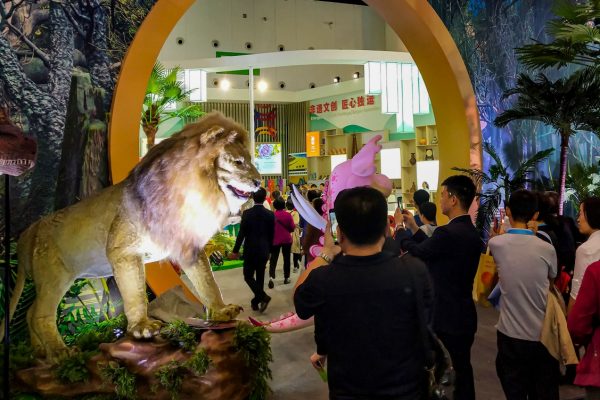
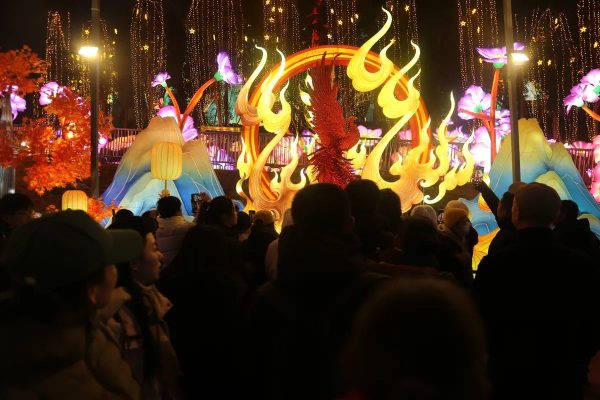
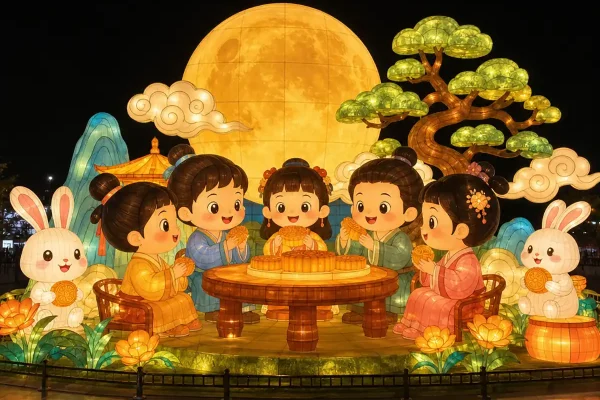
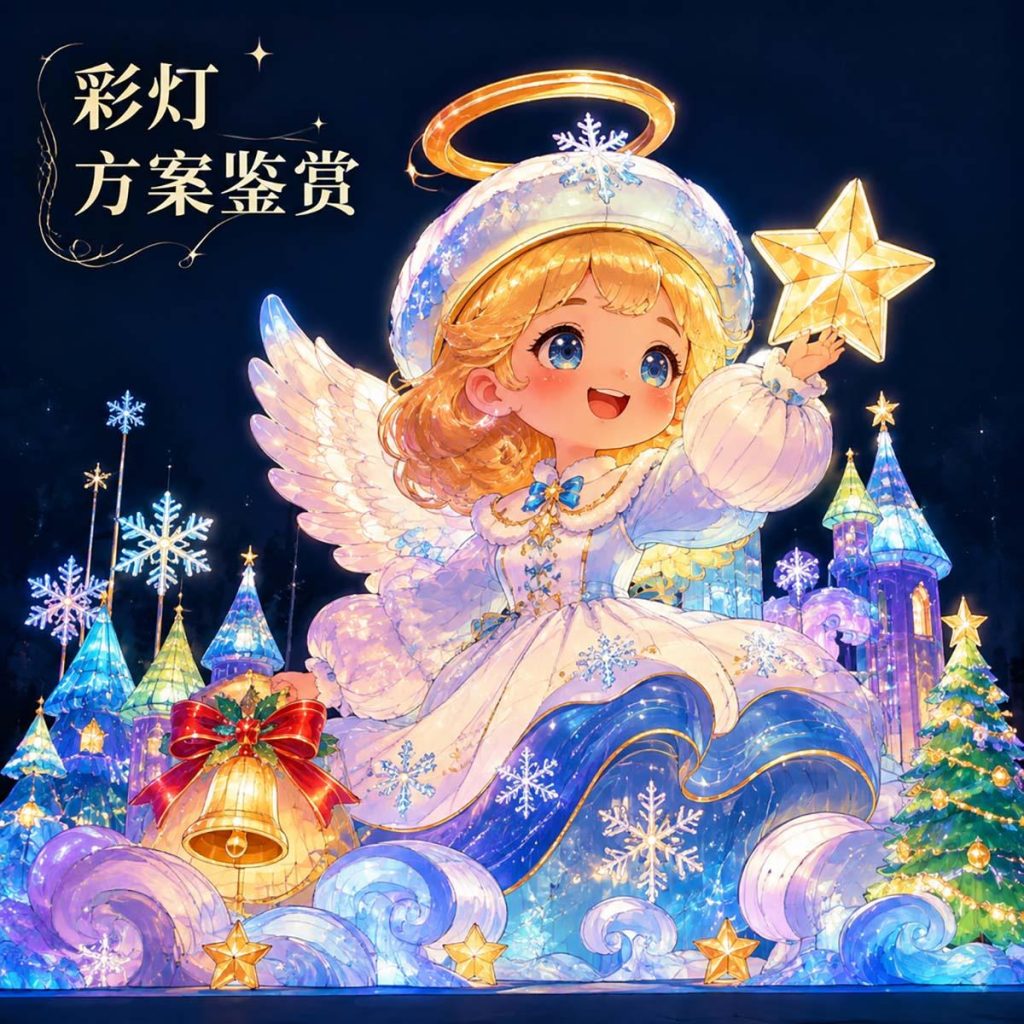
Every December, malls, zoos, botanic gardens, and city squares turn to holiday decorating to pull people in after dark. Most of that effort is strings of lights and a tree in the lobby. Christmas lanterns take a different approach: they are handcrafted lantern-craft light sculptures you place and compose, like furniture for a room. That changes how a venue can decorate, because instead of dressing up what is already there, you are adding objects that carry the whole holiday scene.
This is a practical look at how venues actually use Christmas lanterns to decorate, written to help you plan your own. No sales pitch, just the way the better installations get built.
Start with the Space, Not the Catalogue
The first mistake is picking favourite pieces and hoping they fit. Look at the space first.
A mall atrium is vertical. The eye goes up, so it wants a tall central hero, a giant Santa or a gift-box tower, with smaller pieces arranged around the ground floor. A zoo path is linear and low. It wants pieces placed along the route, animal-friendly and at walking height, so the trail reads as a journey. A botanic garden is intimate and natural. It wants lower, softer pieces that sit among the plantings rather than dominate them. The same lantern range decorates all three completely differently, because the space decides, not the catalogue.
If the venue sits near homes, plan the light spill at the edges early. A beautifully lit trail that wakes the neighbours is a complaint waiting to happen, and it is easier to fix in the layout than after opening night.

Match Lantern Types to the Job
Christmas lanterns come in a handful of familiar shapes, and each one does a different decorating job.
- Santa and reindeer centrepieces anchor an entrance or a central court. They are the first thing people photograph, so they belong where the sightline lands, not tucked in a corner.
- Gift-box towers are the most shared piece in any installation. A stacked tower in a square or atrium becomes the frame every visitor chooses.
- Candy-cane and fairy-tale sets suit family spaces, malls, and children’s areas, where a whimsical, storybook feel draws the youngest visitors in.
- Animal-themed pieces, reindeer families, penguins, Christmas beasts, fit zoos and wildlife parks because they sit naturally beside the real animals and extend the venue’s own theme.
- Storybook and cartoon characters carry a children’s walk or a themed corner without needing a big footprint.
The trick is not to use all of them. Pick two or three that fit your space and your audience, then let them do the work. See these lantern types in real installations to get a feel for scale before you commit.

Use Scale and Sightlines to Guide the Eye
A decoration that is all the same size reads as flat. Good venue decorating uses one or two large pieces as anchors and lets smaller pieces fill around them. From wherever a visitor stands, they should see the next glowing thing. That is what keeps them moving through the space instead of stopping at the door.
Give each piece room. A hero Santa jammed against a wall loses half its impact. The same piece with clear space in front of it becomes the photo stop the whole visit builds toward.
Work With What the Building Already Gives You
The best lantern installations borrow the venue’s own architecture instead of fighting it. A grand staircase becomes the stage for a descending line of gift boxes. A fountain or a central plaza becomes the frame for a hero Santa. A garden gateway becomes the mouth of a candy-cane walk. Before adding anything, walk the space and mark the features people already photograph. Those are your free anchor points. Lanterns placed there look like they were always meant to be there, which is the difference between decoration that feels designed and decoration that feels dropped in.
Colour Sets the Mood
Christmas lanterns are painted by hand, so the palette is a decorating decision, not a fixed default. Warm red, gold, and forest green read as classic, traditional Christmas. Cool white reads as snow and winter, which suits northern climates but can look cold in a mild-winter city. The colour you choose should match how your visitors already expect the holidays to feel, not just what looks good in a workshop photo. If the venue has its own brand colours, the palette can be tuned to sit alongside them rather than clash.
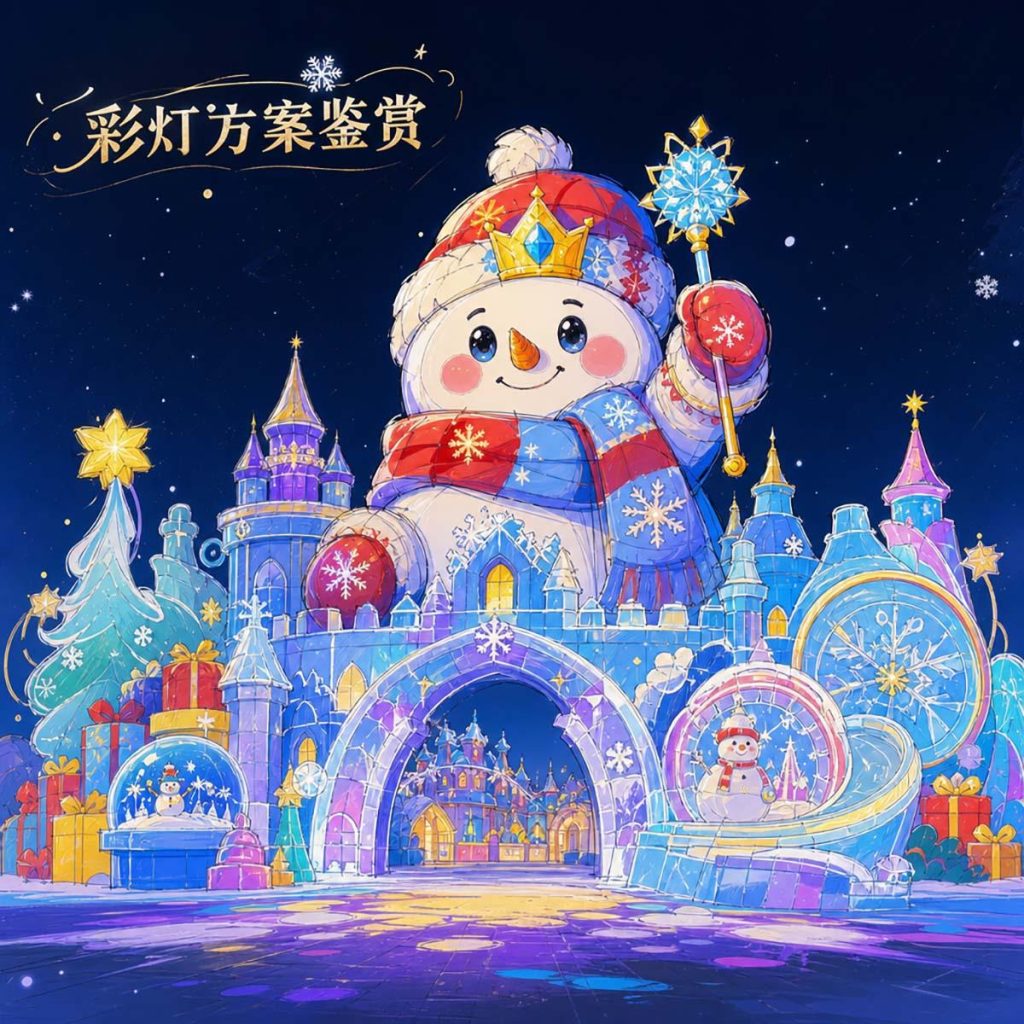
Build Deliberate Photo Moments
A decorated venue lives on the photos people take and post. The ones that fill their own feeds planned photo moments on purpose.
Put a showpiece where a sightline lands at the end of a stretch, not buried in the middle. Give it a clean background, no exit sign or generator behind it, and room for a small queue. A gift-box tower, a walk-through candy-cane arch, a glowing reindeer family, these are the frames people choose. Build two or three and the decoration markets itself.
Make It Survive the Season
A Christmas decoration lives outside for six to ten weeks, through whatever weather the season brings. Indoor pretty and outdoor tough are different products.
Anything left out needs a internal frame and a wind rating, sealed seams on the fabric, and IP-rated enclosures on every electrical housing. Climate matters: a December trail in Canada fights snow and frost, while the same month in Sydney is high summer with sun that fades standard silk in a couple of seasons. Pieces built for the climate you actually get stay colour-fast and upright through the whole run, which is what keeps the decoration looking intentional instead of tired by week four.
A Few Things That Go Wrong
- Choosing pieces before looking at the space.
- Using every lantern type at once, so nothing stands out.
- Placing the hero piece where no sightline reaches it.
- Ignoring how the decoration meets the existing architecture and lighting.
- Forgetting that a great installation is also one that survives the weather.
Decorating a venue with Christmas lanterns is less about covering space with light and more about placing a small number of right objects where they land. Get the space and the scale right, pick types that fit, and the holiday scene takes care of the rest. For the complete range of display types and how venues have used them, see the full Christmas lighting show collection.
For a full holiday budget breakdown by scale, see our Christmas light festival cost guide.