How Chinese Lanterns Are Made: From Metal Frame to LED Illumination (2026 Guide)
Introduction: The Art and Engineering Behind Every Giant Lantern
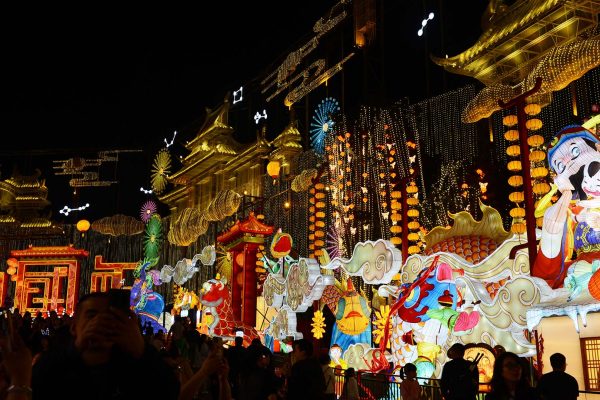
When you walk through a Chinese lantern festival, what catches your eye first? The glowing dragon spanning 30 meters across a lake? The towering pagoda shimmering in gold and red? Every one of these breathtaking installations begins not with a splash of color, but with a welding torch and a coil of metal wire deep inside a Zigong workshop.
The Chinese lantern manufacturing process is a fascinating blend of traditional craftsmanship and modern engineering. Each lantern passes through a carefully orchestrated production sequence — from structural design to final quality inspection — before it lights up a festival halfway across the world. In this guide, we pull back the curtain and walk you through every stage, so you know exactly what goes into the displays you are buying.
Step 1 — Concept Design and 3D Modeling
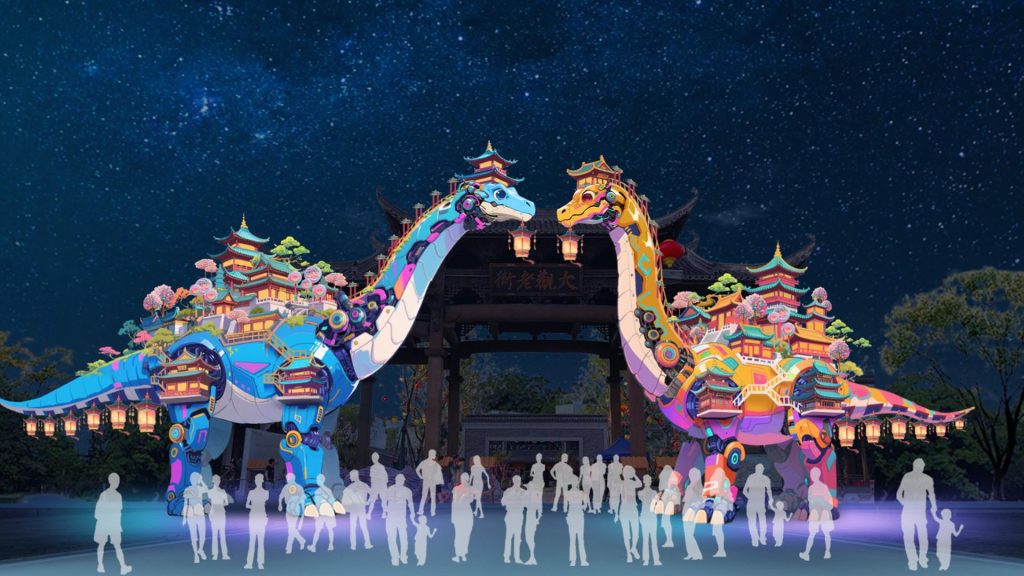
Every lantern starts with an idea. Whether you send us a reference image, a rough sketch, or a detailed CAD file, our design team transforms it into production-ready specifications.
The design phase typically takes 3–5 days and produces:
- 3D rendering showing the lantern from multiple angles
- Dimensional drawings with exact measurements
- Color palette specification (RGB values for LED programming)
- Structural load calculations for large installations
For custom projects, we share these renderings with you for approval before any metal is cut. This ensures the final product matches your vision exactly — what you see in the 3D model is what arrives at your venue.
Step 2 — Metal Frame Welding and Shaping
Once the design is approved, the real craftsmanship begins. Skilled welders cut and bend metal rods — typically 6mm to 8mm in diameter — following paper templates laid out at 1:1 scale on the workshop floor.
Key techniques at this stage:
- Tack welding: Small temporary welds hold the frame shape before final welding
- Cross-bracing: Internal supports prevent deformation in wind and weather
- Base plate fabrication: Heavy metal bases with bolt holes for ground anchoring
- Modular sectioning: Large lanterns are built in sections for transport
A medium-sized lantern (3–5 meters) requires approximately 200–500 individual metal pieces. Our welders can complete the frame in 2–4 days. For animatronic dinosaurs, this stage also includes building articulated joint mechanisms that will later enable realistic movement.
Quality checkpoint: Every frame undergoes a “shake test” — technicians physically test structural rigidity before approving it for the next stage.
Step 3 — Internal Lighting Installation
With the frame complete, electricians install the LED lighting system that will bring the lantern to life.
The lighting setup includes:
- LED strip placement: Weatherproof RGB strips (outdoor-rated) are zip-tied to the internal frame at calculated intervals — typically every 15–20cm for even illumination
- Power supply integration: Transformers (220V to 12V/24V DC) are mounted inside weatherproof junction boxes at the lantern base
- Circuit testing: Each LED circuit is tested individually before fabric wrapping
- Controller programming: DMX controllers are programmed with color sequences — static, gradient, pulsing, or music-reactive patterns
For large installations, we use a distributed power architecture with multiple transformers rather than a single point of failure. This means if one circuit trips, the rest of the lantern stays lit.
A standard 5-meter lantern uses approximately 800–1500 LED nodes. Total power consumption ranges from 300W to 1200W depending on size and complexity.
Step 4 — Fabric Cutting, Sewing, and Wrapping
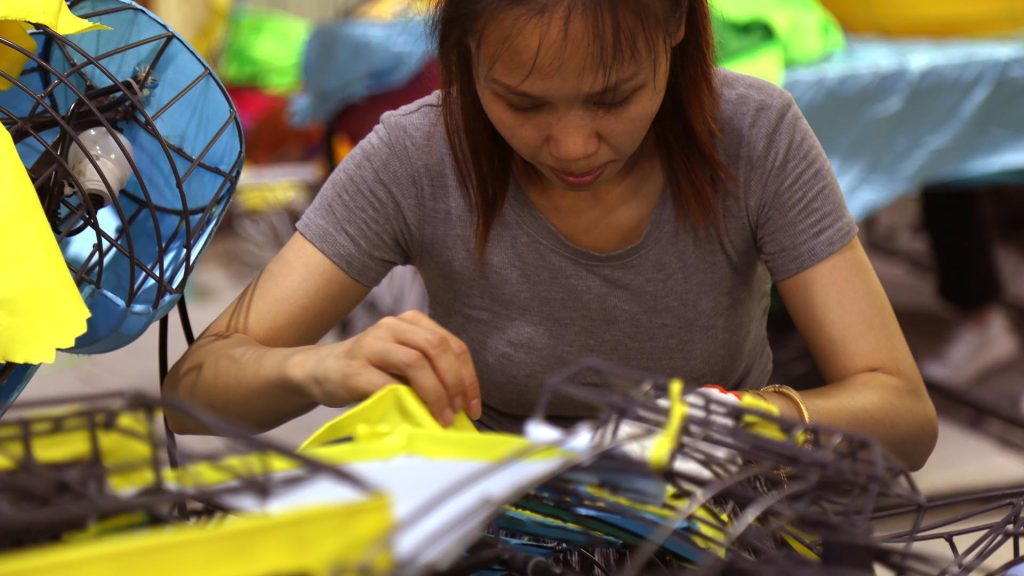
This is where the lantern gets its color and character. Traditional fabric is our most commonly used material, prized for its translucency — it glows beautifully when backlit without showing the internal frame.
The fabric wrapping process:
- Pattern making: Paper templates are created for each section of the internal frame
- Fabric cutting: Silk is hand-cut to match the templates, allowing 2–3cm seam allowance
- Color matching: Sections are organized by color — a single 5-meter lantern may use 8–12 distinct fabric colors
- Hand-wrapping: Artisans wrap each fabric section around the internal frame, gluing the edges with industrial-strength adhesive
- Detail painting: Facial features, patterns, and decorative elements are hand-painted using weatherproof acrylic paint
For outdoor durability, we apply a clear weatherproof coating over the finished fabric. This protects against UV fading, rain absorption, and mildew — extending the lantern’s service life to 3–5 years with proper maintenance.
Step 5 — Assembly, Testing, and Quality Inspection
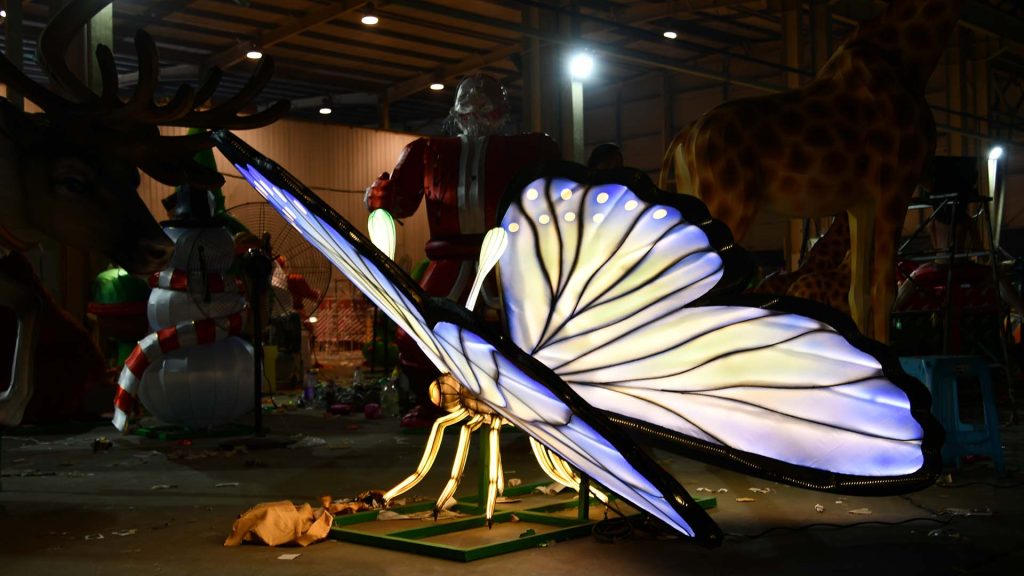
Before shipping, every lantern undergoes a full assembly and lighting test in our factory yard:
- Full structural assembly — all modular sections connected
- 24-hour continuous lighting test — identifies any LED failures
- Weather simulation — water spray test to verify outdoor-rated weather sealing
- Wind stability check — for installations over 5 meters tall
- Photographic documentation — every lantern is photographed from multiple angles for quality records
Any issues found during testing are fixed on the spot. The lantern is only approved for packing when it passes all five checkpoints.
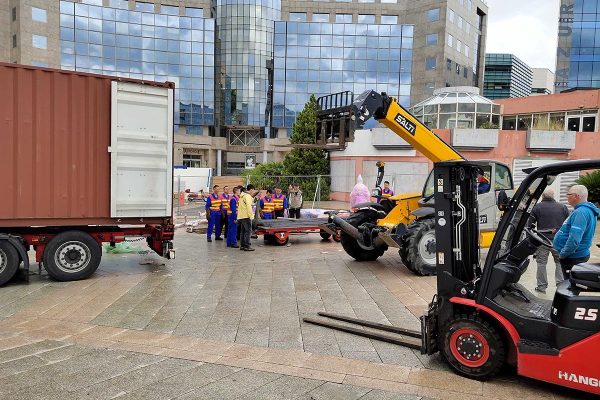
Step 6 — Packing, Shipping, and Installation Preparation
The final stage before your lantern leaves Zigong:
- Disassembly into transportable modules
- Wrapping in protective foam and plastic film
- Crating in reinforced wooden export boxes
- Labeling each crate with assembly sequence numbers
- Including an installation manual with step-by-step photos
- Optional: Our installation team can travel to your site
From concept approval to crate loading, a standard custom lantern takes 20–35 days. Rush orders are available with a 20% surcharge.
Why Choose Festive Lanterns for Your Next Project
With over 14 years of manufacturing experience and 60,000 square meters of production space, our Zigong workshop combines time-tested techniques with modern quality control. Every lantern that leaves our factory carries the legacy of Zigong — the world capital of lantern making since the Tang Dynasty — backed by ISO 9001 certified processes and CE-compliant materials.
H2: Frequently Asked Questions
Q: Can I visit the factory to see the manufacturing process?
A: Yes, we welcome factory visits. You can see every stage of production firsthand and meet our design team. Contact us to schedule a visit.
Q: How do I know the final product will match the 3D rendering?
A: We send progress photos at each major stage (frame, lighting, fabric) and invite your feedback. Only after your final approval do we proceed to shipping.
Q: What materials are used for outdoor durability?
A: We use weatherproof internal frames (rust-resistant), outdoor-rated LED modules, weatherproof fabric with UV coating, and industrial-grade adhesives rated for -20°C to 60°C.
Q: Can you produce lanterns with custom brand logos?
A: Absolutely. Brand logos, text, and specific color schemes can be integrated into any custom lantern design.
Related Products & Resources
- Golden Qilin Lotus Pond Lantern — Floating qilin display for water features
- Phoenix Moon Water Lantern Set — Floating phoenix & moon scene for Mid-Autumn events
- Sunflower Lantern Botanical Display — Giant sunflower for botanical garden events
Learn how the internal structure shapes every scene: see our Chinese lantern frame display for festival installations.