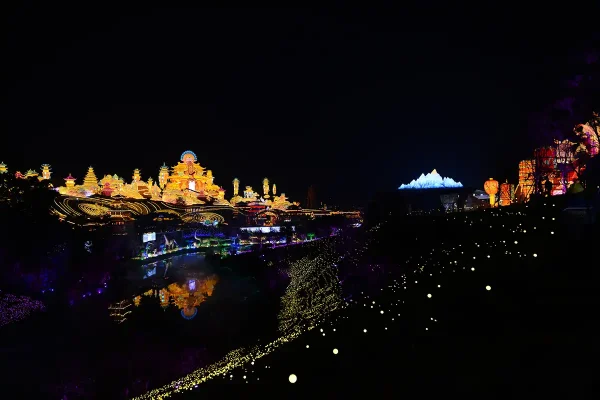
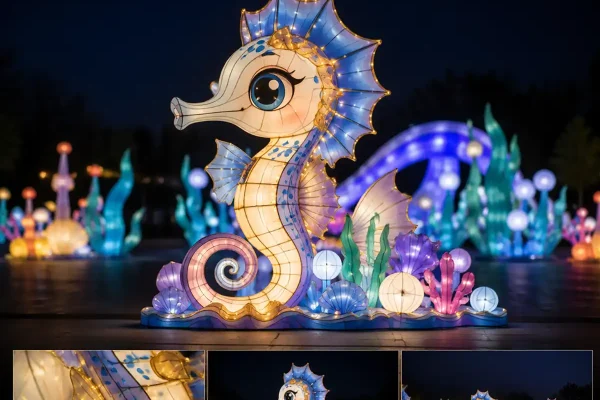
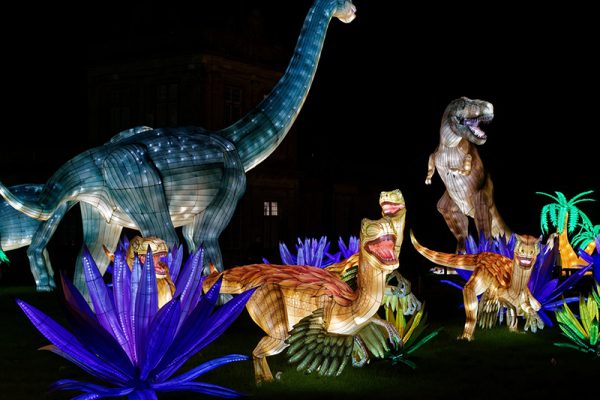
A lantern festival quotation is only as good as the brief behind it. When a venue sends us “how much for a lantern festival?”, the honest answer is a set of questions, because custom exhibits are priced by species, scale, movement and finish — not pulled from a catalogue. When the same venue sends a page of specifics, the answer comes back as a concept and an itemised proposal, often within days instead of weeks.
This guide lists what to gather before you request a quote. It works whether you are planning a full walk-through festival, a zoo light season, a single landmark display, or an animatronic exhibit — and it is written from the questions our project team asks every new client on day one.
1. Your Venue and Your Dates
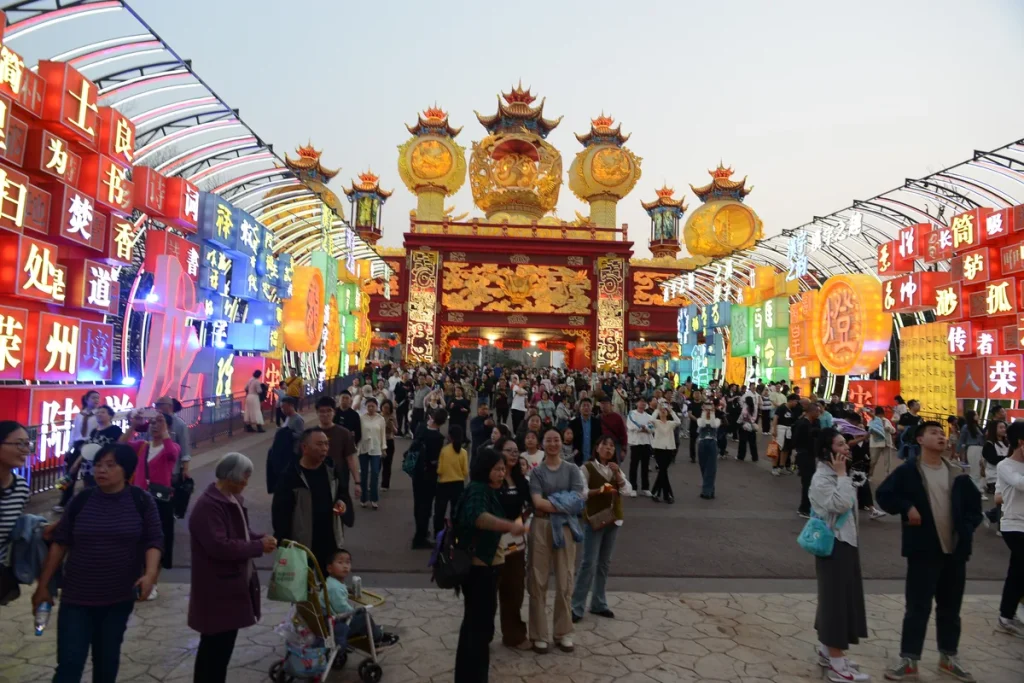
Two facts shape everything else: where the display will live and when it must open. An indoor mall atrium, an outdoor zoo route and a botanical garden trail are three different engineering problems — wind exposure, ground conditions, access width and viewing distances all change what can be built and how it is packed. Your opening date matters just as much, because custom fabrication and shipping work backwards from it: the design, production and freight stages all have to fit inside the calendar you set. Give both facts in your first message and you save an entire round of back-and-forth.
2. The Theme or Species List
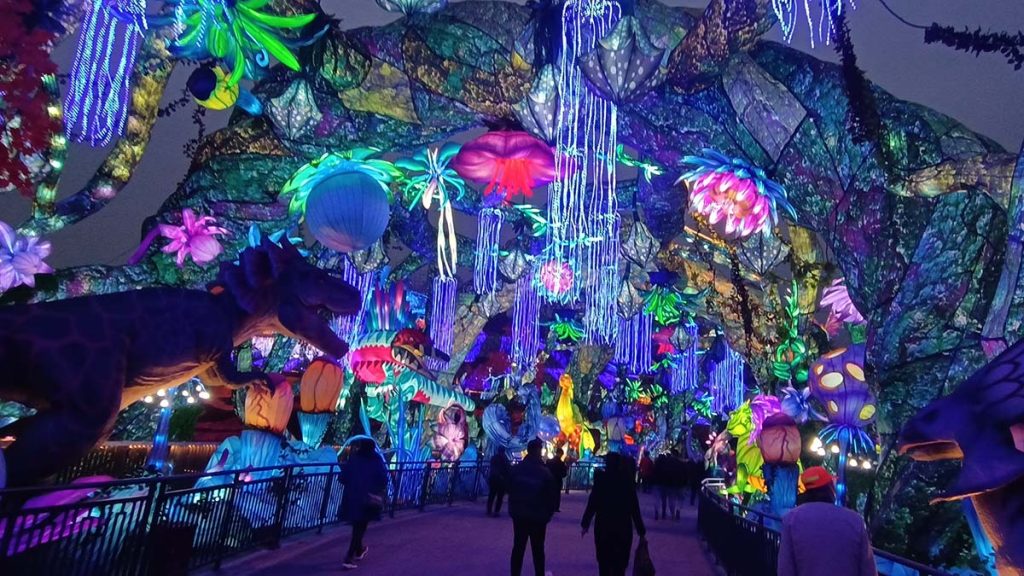
Know what story the display should tell. For lantern programmes that means a theme — Chinese New Year, a winter trail, an ocean or fairy-tale concept — and ideally a rough list of scenes: entrance archway, hero centerpiece, walk-through tunnel, animal zone. For animatronic exhibits it means species: a T-Rex landmark, a raptor trail, a nesting scene for education. You do not need to be final; a shortlist with “must-have” and “nice-to-have” markings is enough for us to propose a composition. Browsing our lantern collections and animatronic dinosaur exhibits before you write is the fastest way to build that shortlist.
3. Target Sizes and Viewing Distances
Size is the single biggest driver of both impact and cost, so bring your numbers: the footprint you can allocate to the centerpiece, the height your space allows, and the distance visitors will stand from it. A dragon that reads perfectly at 15 meters in a plaza needs a different build than one viewed at arm’s length in a corridor. If you do not have dimensions yet, photos of the site and a simple description (“main plaza, 30 by 40 meters, unobstructed”) let us propose sizes for you.
4. Indoor or Outdoor Placement
Outdoor displays are engineered for wind loads, rain and nightly operation through a full season; indoor builds can trade some of that structure for finer detail. The placement decision affects surface finishes, electrical planning and anchoring, so state it early. Mixed programmes — an outdoor trail leading into an indoor hall — are common and worth flagging, because we plan the transition pieces differently.
5. Movement, Sound and Interaction Priorities
Static, animated and interactive are three different budgets. Decide what actually matters for your visitors: is a motion-triggered roar at the entrance the moment people will remember, or is the priority a photo-perfect pose that never moves? Interactive builds with sensors and gesture control are the strongest crowd magnets and cost accordingly, so a sentence about your interaction priorities keeps the quotation honest. Our gesture-sensing interactive exhibits overview shows what the interactive tier does.
6. Electrical and Site Conditions
Power availability, voltage standards for your country, and the distance between power points and display positions all feed the quotation. If your venue has a fixed event power budget or requires specific certification markings for the destination market, say so in the brief — it is cheaper to build compliance in than to retrofit it. Ground type matters for outdoor anchors: lawn, paving, aggregate and soil each take different fixing methods.
7. Your Working Budget Range
Buyers often withhold budget hoping for a lower number, and the result is usually a mismatched first proposal — a spectacular concept far above the ceiling, or a cautious one far below it. A working range, even a rough one, lets us size the composition to reality: three hero scenes and a strong entrance beat a stretched imitation of a bigger festival. For context on what drives cost up and down between suppliers, our cost-factors guide for animatronic exhibits and the lantern festival cost breakdown walk through every variable a quotation is built on.
8. The Three Questions a Good Supplier Will Ask You Anyway
Expect these in the first reply — having the answers ready is the fastest version of the process: Who is the audience? (families, school groups, evening couples — it changes composition and lighting design). Is this a one-season or recurring programme? (reusable builds change the engineering). Who handles installation? (our on-site technicians, your local crew with our drawings, or a staged handover).
The One-Page Checklist Before You Hit Send
- Venue type, site dimensions or photos, indoor / outdoor
- Opening date and any fixed deadlines
- Theme or species shortlist, marked must-have / nice-to-have
- Target size or viewing distance for the centerpiece
- Movement and interaction priorities
- Power situation and certification requirements for your market
- Working budget range
- Audience, recurrence and installation preference
Send that page and the reply you get will be a proposal you can act on — not a form letter. If you are still early in planning, our step-by-step lantern festival planning checklist covers the whole project timeline, and the complete planning and sourcing guide goes deeper on sourcing decisions.
Ready with your brief? Send us your venue, dates and shortlist — we will come back with a concept, a composition plan and an itemised quotation.