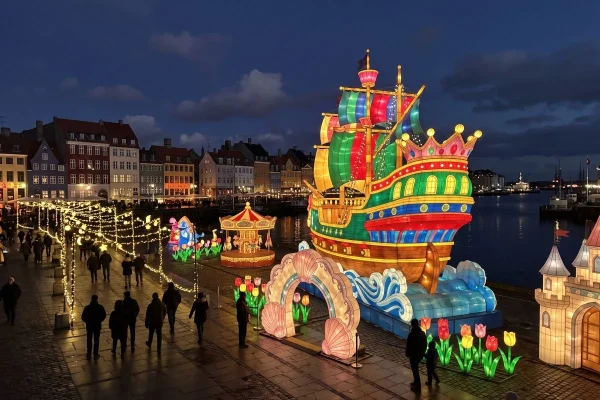
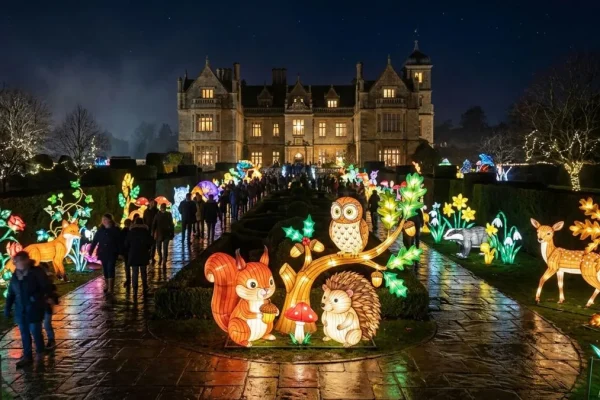
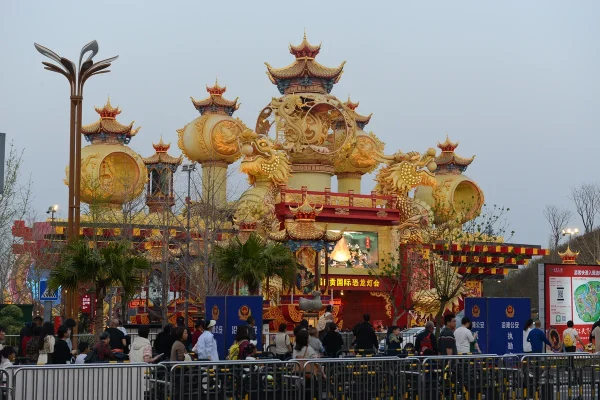
Lantern Festival Budget Planning: 7 ROI Moves Every Procurement Manager Should Know
When you own the budget for a lantern festival or animatronic exhibit, the difference between a forgettable display and a city-defining event often comes down to how the money is planned — not just how much of it you have. This guide gives procurement and event-buying teams a practical framework to scope, cost, and defend a festival lighting investment.
Why Budget Planning Decides Festival Outcomes
Most stalled festival lighting projects are not killed by a lack of funds. They stall because the budget was built around a single cap — “we have a fixed amount” — instead of around outcomes. A procurement-led budget starts from the experience you want visitors to remember, then works backward into line items. That single shift is what lets a mid-size municipality out-perform a bigger-spending neighbor.
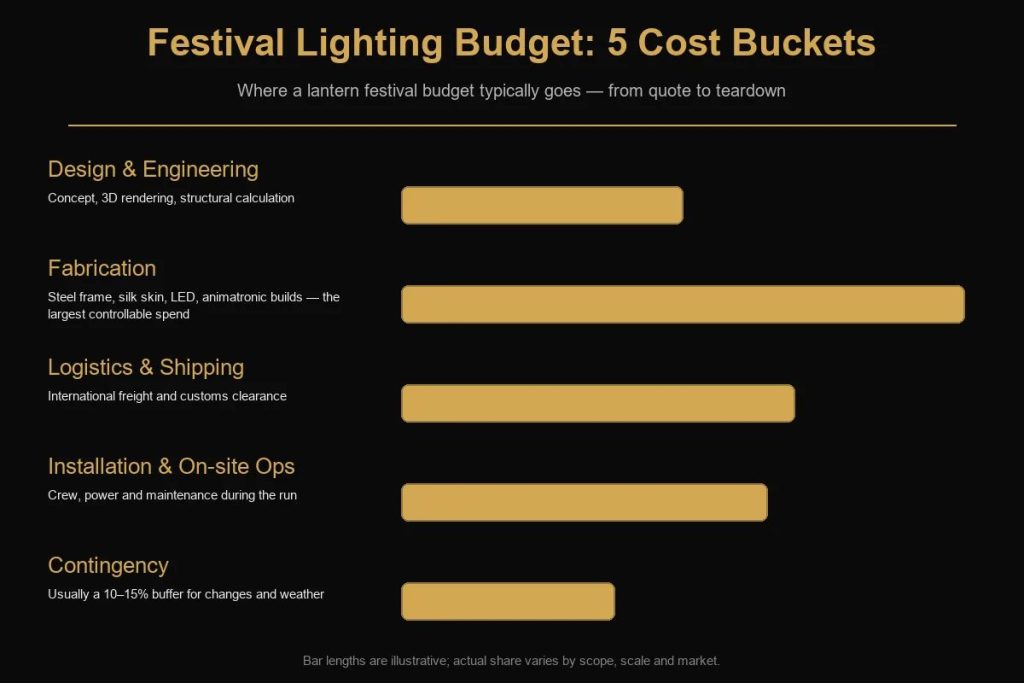
Build Your Festival Lantern Budget in 5 Buckets
Split every estimate into these five buckets so no cost sneaks up on approval stage:
- Design & concept — themed storyboard, custom shapes, and engineering drawings.
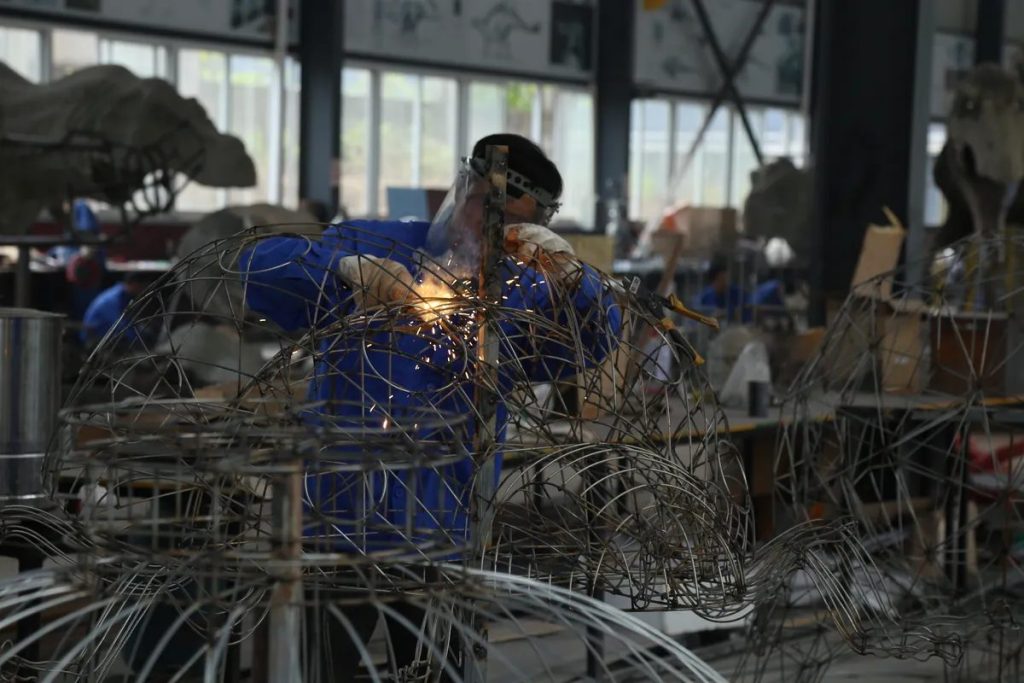
- Fabrication — internal frame, silk-skin lanterns, or hand-finished animatronics.
- Logistics & install — crating, freight, and on-site assembly, all scoped per project by destination and venue.
- Operations — power, nightly checks, repairs, and staffing during the run.
- Contingency — a 10–15% buffer that protects the launch date, not the margin.
For a deeper cost breakdown by display type, see our lantern festival cost guide.
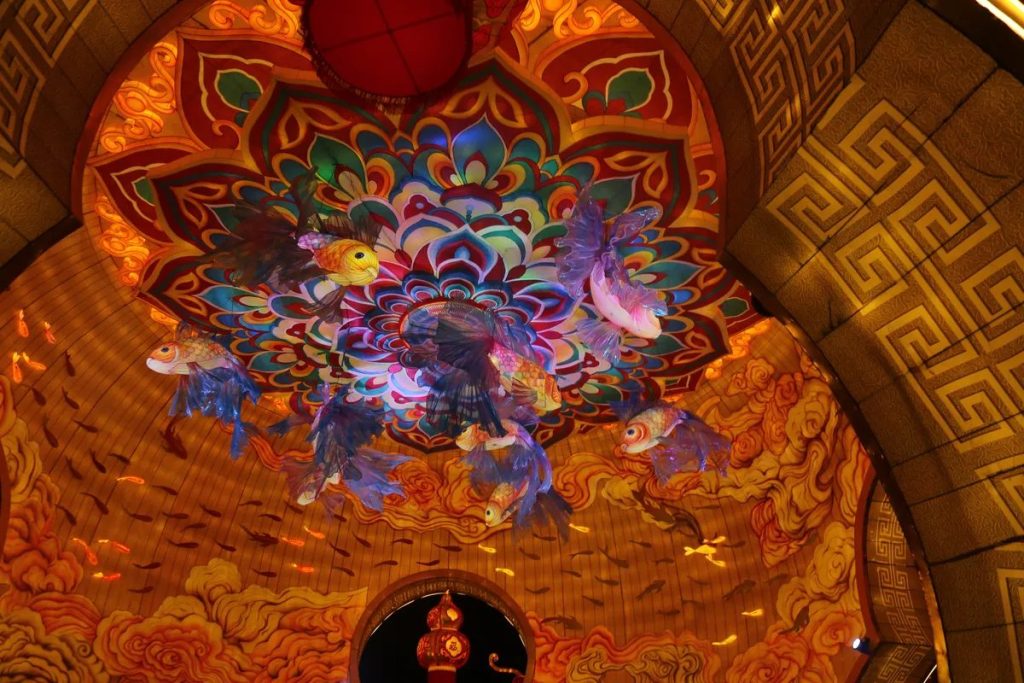
One Supplier, End-to-End: Design, Manufacturing, Installation
We work as a single supplier across the full delivery chain — from the first design concept to the final on-site installation. Concept development, engineering drawings, fabrication, logistics, and assembly are planned together under one coordinated scope rather than passed between unrelated parties. For a procurement team, one accountable partner simplifies budgeting, shortens the communication loop, and keeps responsibility for the finished result in one place.
Because every stage is handled in-house, the five budget buckets above stay connected: a choice made at the design stage flows naturally into fabrication and installation cost, so there are no surprises at approval. It also lets us support different engagement models — whether you run the event in-house, work alongside an operating partner, or bring in an event agency, the production scope stays one coordinated delivery.
7 ROI Moves Procurement Managers Use
- Anchor the budget to a foot-traffic target. Tie every dollar to an expected visitor number so the spend has a measurable unit cost.
- Buy reusable structures, not one-night props. Modular internal frames and silk-skin lanterns survive multiple seasons and multiple cities.
- Bundle design + build + install. Keeping concept, fabrication, and on-site assembly under one supplier scope avoids the hand-off gaps and duplicated coordination that separate vendors create.
- Specify power-efficient LED from the start. Lower draw means smaller generators, cheaper permits, and lower nightly operating cost.
- Plan the teardown and storage. A crate that packs flat and a storage plan turn a used-once expense into a rolling asset.
- Negotiate on lead time, not just price. Custom builds are scheduled per project, so a partner who can confirm a realistic production and shipping window for your scope protects your event date — often worth more than a discount.
- Track cost-per-visitor, not cost-per-display. This single metric is what convinces stakeholders to renew in future seasons.
Cost Drivers You Can Actually Control
Every festival piece is made to order, so there is no fixed list price — the purchase price is driven by the size, materials, and design style you select. Beyond that, some line items are fixed by physics; others are choices. The controllable ones are size, complexity, shipping distance, and the number of custom molds. A clear animatronic dinosaur pricing guide shows how a standard species costs far less than a fully bespoke build — useful when you need to stretch one budget across a whole route.
How to Justify the Spend to Stakeholders
Finance teams rarely argue with a number that has a denominator. Present the budget as cost-per-expected-visitor, pair it with a multi-year reuse plan, and show the contingency bucket explicitly. When the same structures appear in future editions’ deck as “existing assets,” the renewal conversation becomes a formality. For a museum or theme-park context, our animatronic buying guide maps the same logic onto longer dwell-time exhibits.
Budget Traps to Avoid
- Quoting fabrication without install — the two are never the same vendor cost.
- Skipping the contingency bucket to “win” the internal approval, then missing the launch date.
- Choosing the lowest line item over the lowest cost-per-visitor.
- Forgetting off-season storage, which quietly doubles year-two cost.
Pair this budget framework with our full procurement guide for the step-by-step ordering process from quote to shipping.
Frequently Asked Questions
What is a realistic budget range for a lantern festival?
Because every lantern and animatronic piece is custom-made to order, there is no standard price list. The purchase price is determined by the size, materials, and design style you choose — a small civic display and a multi-acre touring show sit at opposite ends. The useful first step is defining your visitor target and route length, then requesting a tailored quote.
Should we rent or buy lantern displays?
If the event repeats or tours, owning reusable metal-frame structures almost always beats repeated rental once you pass two seasons. Single-use activations may favour rental.
How early should procurement start?
Start as early as your timeline allows. Custom fabrication and shipping are planned per project, so lead time depends on the scope, materials, and our production schedule rather than a fixed calendar — the earlier we scope it with you, the safer your launch date.
Can one budget cover both lanterns and animatronics?
Yes. Many festivals blend silk-skin lanterns for atmosphere with a few animatronic centerpieces; budgeting them in the same five buckets keeps the approval simple.