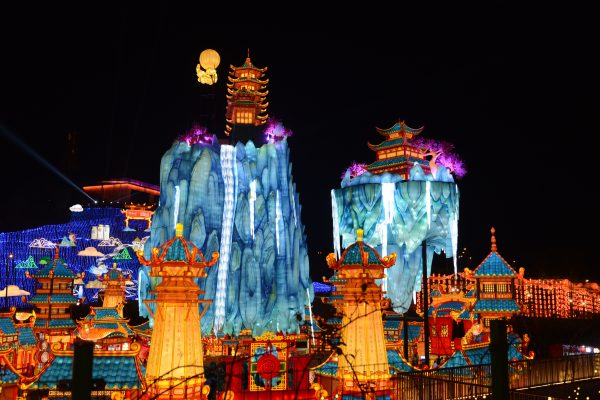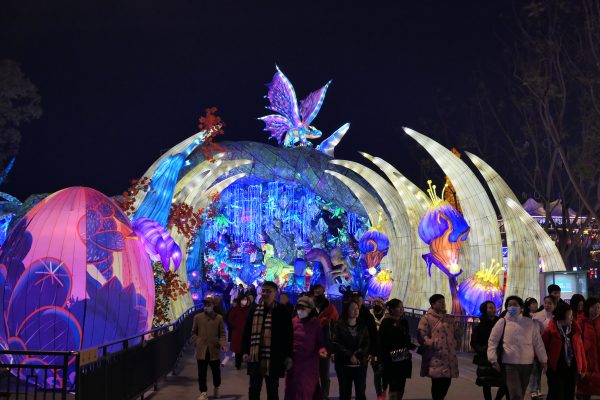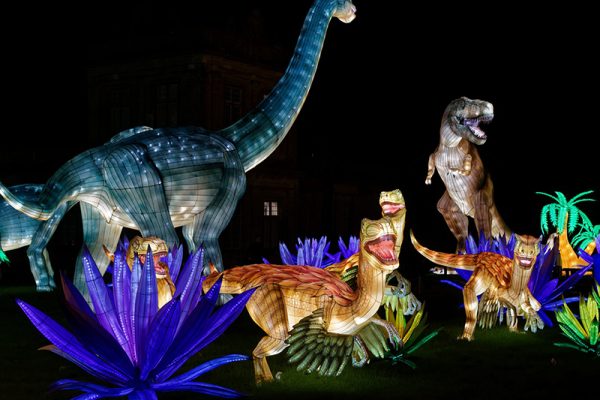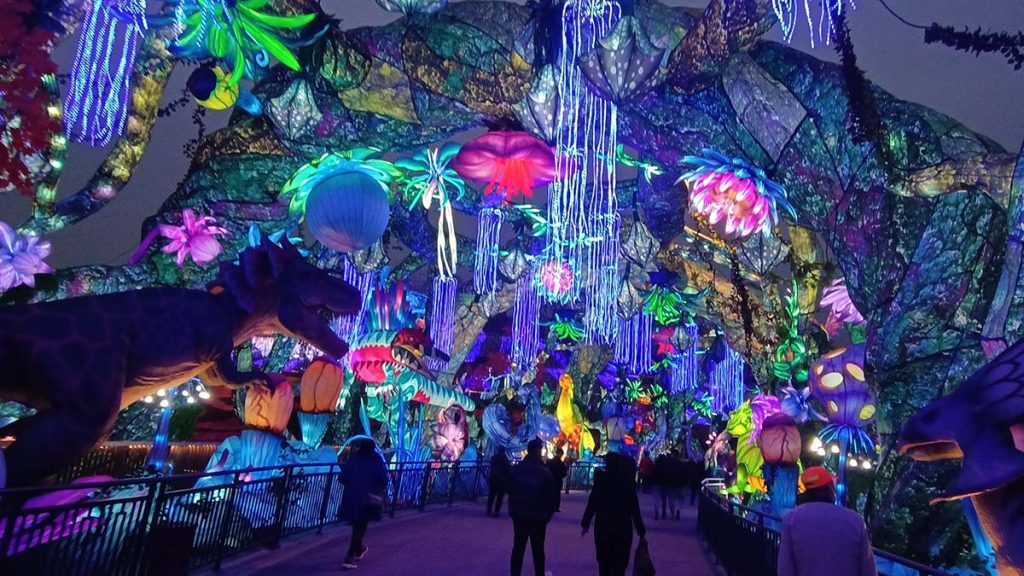
A winter lantern festival turns the coldest, darkest months of the year into a ticketed attraction — and zoos, botanical gardens, theme parks, and city tourism boards are using it to extend their calendar through November, December, and February. This article explains what visitors search for, how a winter lantern display changes venue economics, and what it takes to plan and install one.
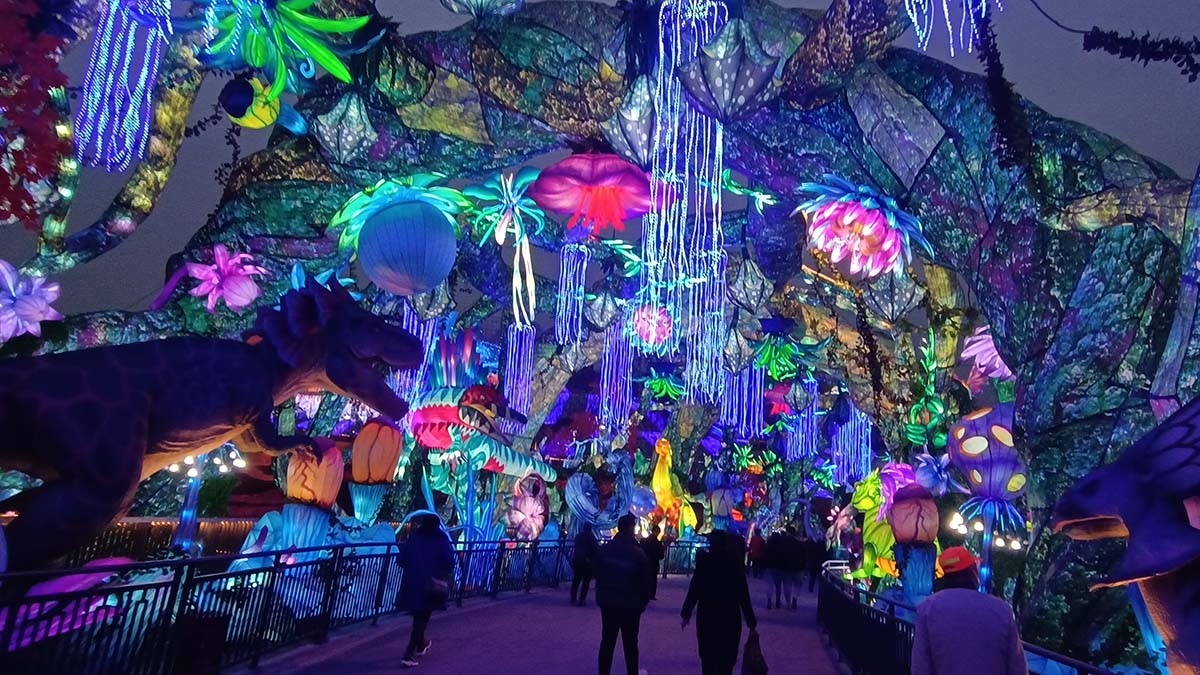
Why Winter Is the New Peak Season for Lantern Displays
The logic is simple: a summer zoo is open during daylight and closes at dusk. A winter lantern festival opens at dusk, creating a new revenue window where none existed. Tickets are sold for evening-only slots; food and gift retail extend their hours; and the marketing message shifts from “come see the animals” to “come experience the lights.”
North American zoos and botanical gardens that adopted winter lantern festivals report three consistent outcomes: extended seasonal operations, per-visitor spend increases of 30–50% over daytime-only visitors, and higher social media sharing rates because glowing displays photograph better at night.
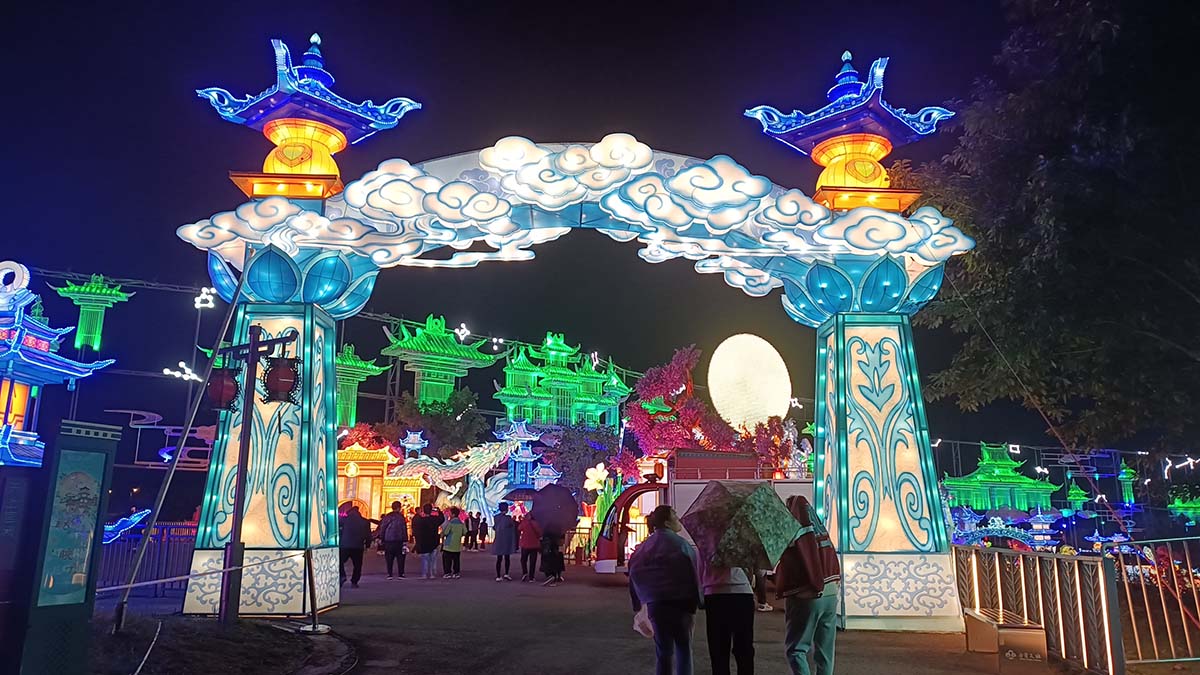
What Visitors Search For
Google Keyword data shows that people searching for winter lantern festivals use very different queries from summer lantern buyers. The common patterns are:
- Location-specific tickets — “Christmas lantern display near me,” “zoo Christmas lights,” “winter lantern festival 2026.” These visitors already know they want a winter event and are deciding which one.
- Experience expectations — “What is a winter lantern festival like?” “How long does it take to walk through?” “Is it good for kids?” These are pre-purchase research queries that your content needs to answer.
- Photo-driven interest — many winter lantern attendees decide to go after seeing a friend’s Instagram post, then search the venue name for ticket info. This means strong visual content on your website directly converts to ticket sales.
What Makes a Winter Display Work
Warm, Glowing Color Palette
Winter nights are cold and dark. The best winter lantern displays lean into warm tones — gold, amber, deep red, and soft blue — creating a visual counterpoint to the environment. A display of ice-white animals won’t pop against actual snow; a warm-lit reindeer or golden polar bear does.
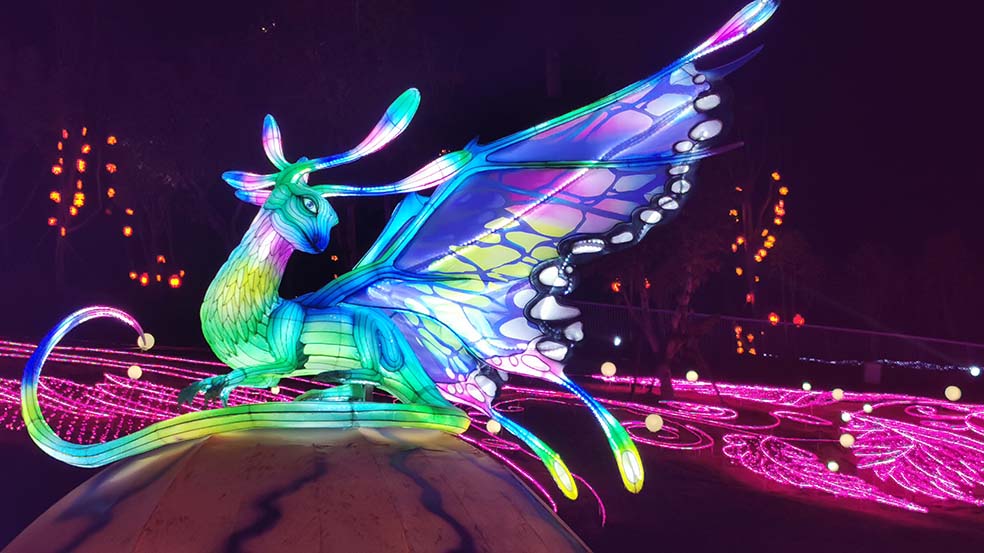
Weather-Ready Construction
Winter installations face real weather: snow load, ice, rain, and sustained sub-zero temperatures. The internal frames must be weatherproof, the silk covers UV-stable and moisture-resistant, and the electrical systems outdoor-rated at minimum. FestiveLanterns winter lanterns are factory-built to these specifications as standard, because a display that fails in its first snowstorm erases every ticket-dollar it made.
Story-Driven Walks
A winter lantern festival works best as a narrative path, not a random scattering of sculptures. Visitors walk through a sequence — forest creatures in the first zone, Arctic animals in the second, a grand finale centerpiece at the end — with the path designed to maximize dwell time and photo stops. Audio, motion sensors, and interactive zones can be inserted along the route to break the walk into distinct “scenes.”
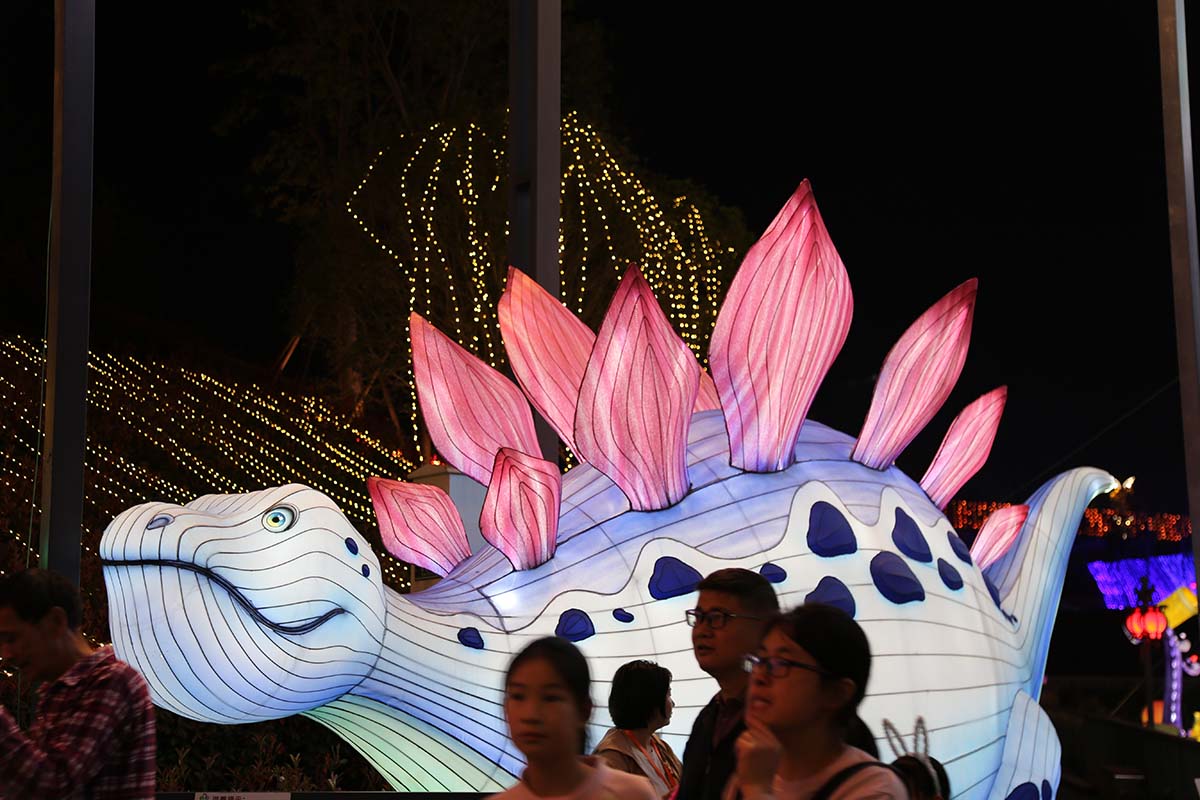
Common Winter Themes That Drive Tickets
- Arctic & Polar — Polar bears, penguins, walruses, ice caves, and blue-lit frozen landscapes. Works for zoos and aquariums.
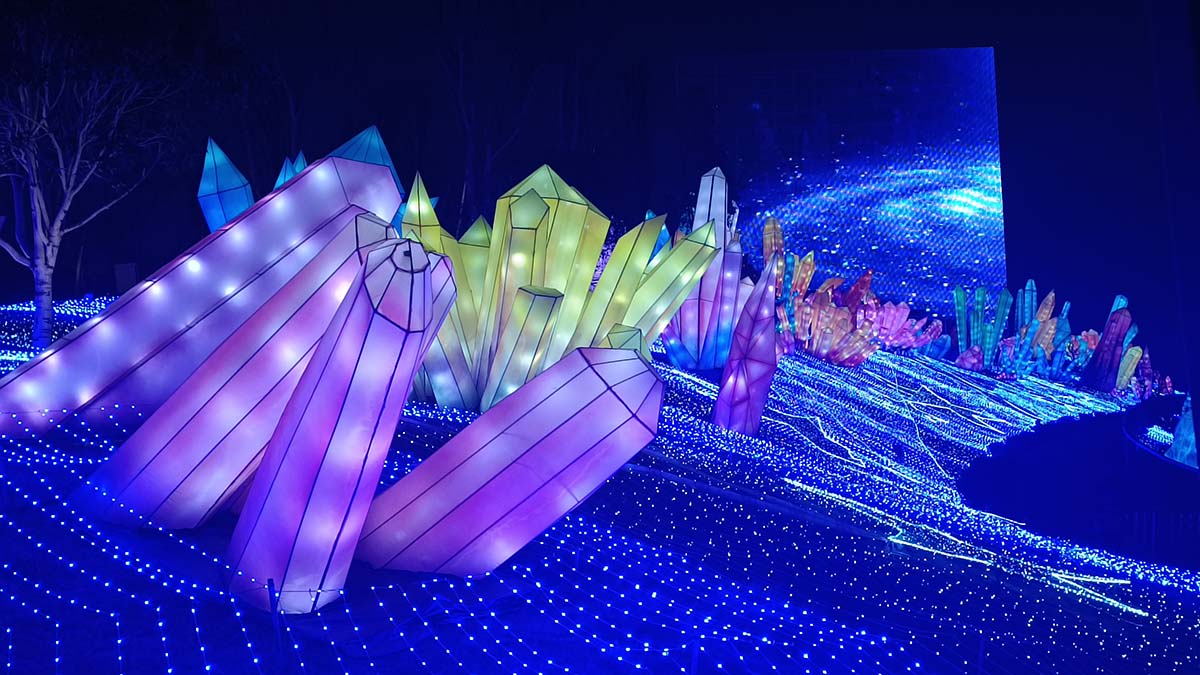
- Holiday & Christmas — Santa, reindeer, gift towers, candy-cane wonderlands, and storybook scenes. Heavy family traffic in Q4; book your production slot by Q2.
- Woodland & Wildlife — Deer, foxes, owls, squirrels, and forest scenes with warm amber lighting. A subtler aesthetic for botanical gardens and nature reserves.
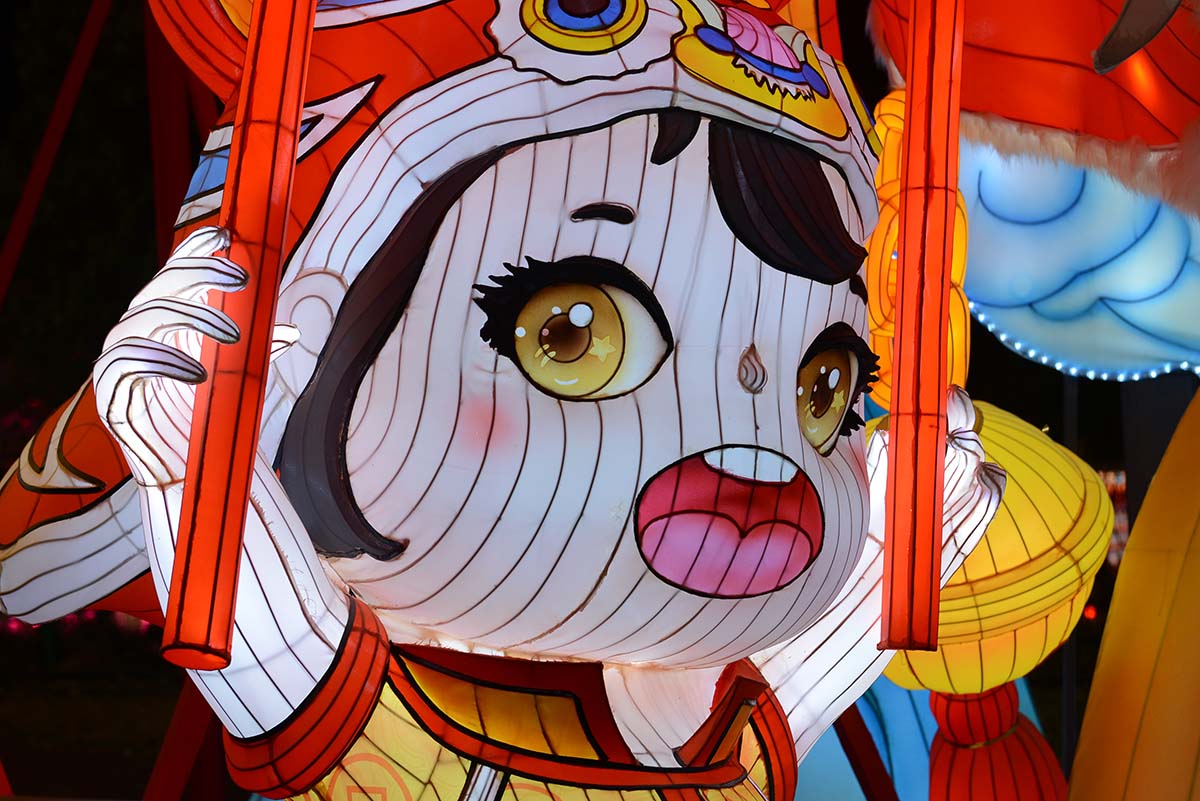
- Lunar New Year — Zodiac animals, traditional lanterns, red and gold colorways. Peaks in late January/February.
- General Winter Magic — Snowflakes, ice castles, magical creatures, and abstract light installations. Flexible enough to work across any venue type.
What Does It Cost?
The price of a winter lantern festival varies with the number of figures, their size, the complexity of the lighting, and whether you need on-site installation. For a fuller breakdown, see our lantern festival planning guide and sourcing guide for event organizers.
Frequently Asked Questions
What is a winter lantern festival?
A winter lantern festival is an outdoor illuminated display of hand-crafted lantern sculptures, typically installed in zoos, parks, botanical gardens, and city squares during the winter months (November through February). The displays use LED-lit lantern-craft figures — animals, landscapes, and fantasy scenes — arranged along a walkable path. Tickets are sold for evening-only time slots, creating a new night-time attraction during the off-season.
How long does a winter lantern festival take to walk through?
Most winter lantern festivals are designed for a 45–90 minute walk, covering roughly 1–2 km of illuminated trail with 20–50 individual display scenes. Dwell time depends on the number of photogenic stops, interactive zones, and food/beverage stations along the route.
Are winter lantern displays suitable for snow and sub-zero temperatures?
Yes — when built to outdoor specifications. FestiveLanterns winter installations use weatherproof internal frames, outdoor-rated electrical enclosures, and UV-stable, moisture-resistant silk. We have delivered installations that operate through Canadian winters and alpine conditions across 50+ countries.
How far in advance do we need to order a winter display?
Production and shipping typically take 8–12 weeks from design confirmation. For a November opening, we recommend confirming the design and placing the order by July at the latest. Rush timelines are possible for smaller installations but reduce customization options.
Related Resources
- Christmas Light Festival Displays — Santa, reindeer, gift towers and festive winter scenes for Q4
- Zoo Lights Festival Solutions — Complete zoo lantern festival planning
- Holiday & Seasonal Lantern Collection — Browse winter-ready lantern designs
- Lantern Festival Planning & Sourcing Guide — Complete procurement guide for event organizers
- Request a Free Quote
Explore our How Much Does a Mid-Autumn Festival Cost? 2026 Budget Guide for Malls, Parks & Cultural Venues for your next custom festival or themed event.